Animal Facts
Get to know the animals living around you, with clear, accurate facts about common North American wildlife: what they eat, when they’re active, and where you might spot them. No hype, just the interesting truth about your wild neighbors.
Common across the US
Browse by animal group
-
Deer, raccoons, foxes and the furry visitors of the night
-
Songbirds, owls and hummingbirds you can see and hear
-
Turtles, snakes and toads that share our gardens
-
Bees and butterflies that keep flowers blooming
Featured animal
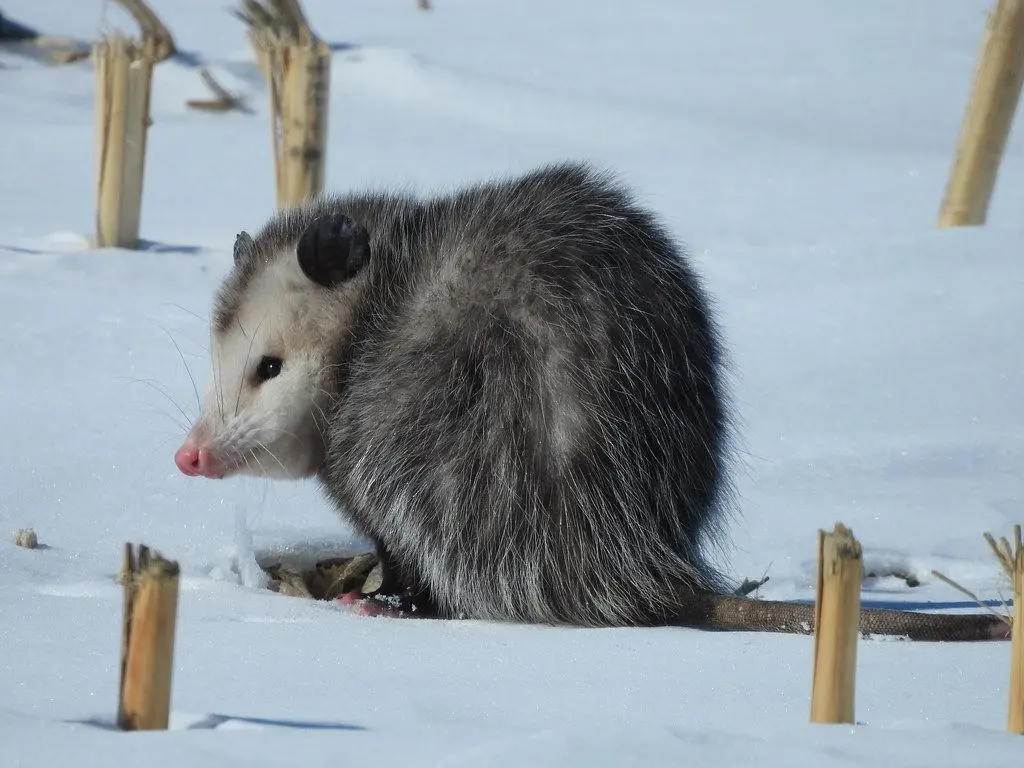
The Virginia opossum
North America’s only marsupial is a quiet night visitor that often goes unnoticed. Like a kangaroo, a mother opossum carries her tiny young in a pouch. When they get bigger, they ride around on her back.
Opossums have 50 teeth, more than any other North American land mammal. They also have a grasping tail that helps them balance as they climb. They eat almost anything they find, including insects, fruit, small animals and carrion, which makes them a useful part of the backyard clean-up crew.
-
Group
-
Mammal (marsupial)
-
Diet
-
Omnivore: insects, fruit, small animals, carrion
-
Most active
-
At night
-
Where you’ll see it
-
Much of the eastern and central US and the West Coast
Fact files
Common North American animals
-
Mammal
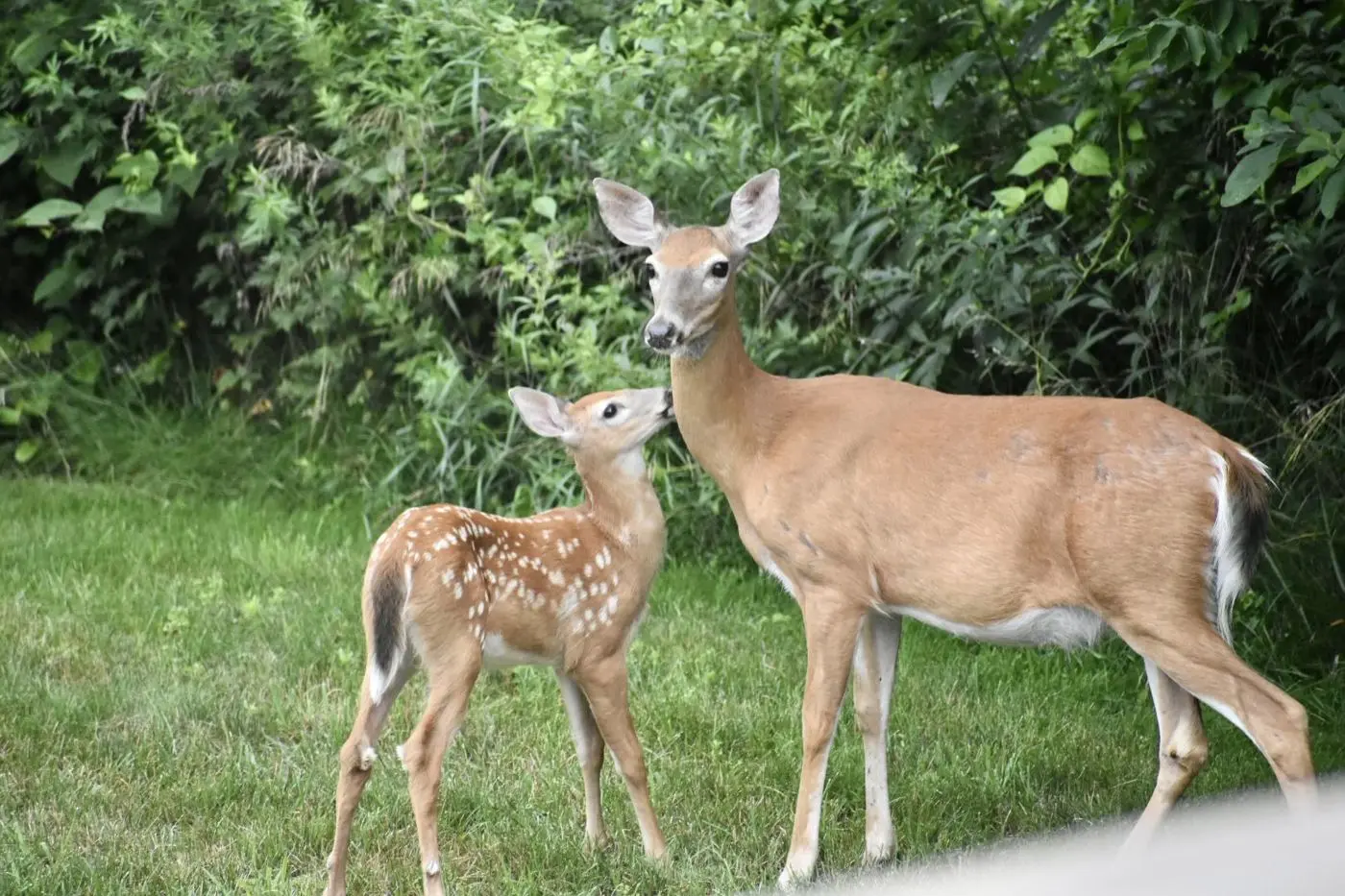
White-tailed deer
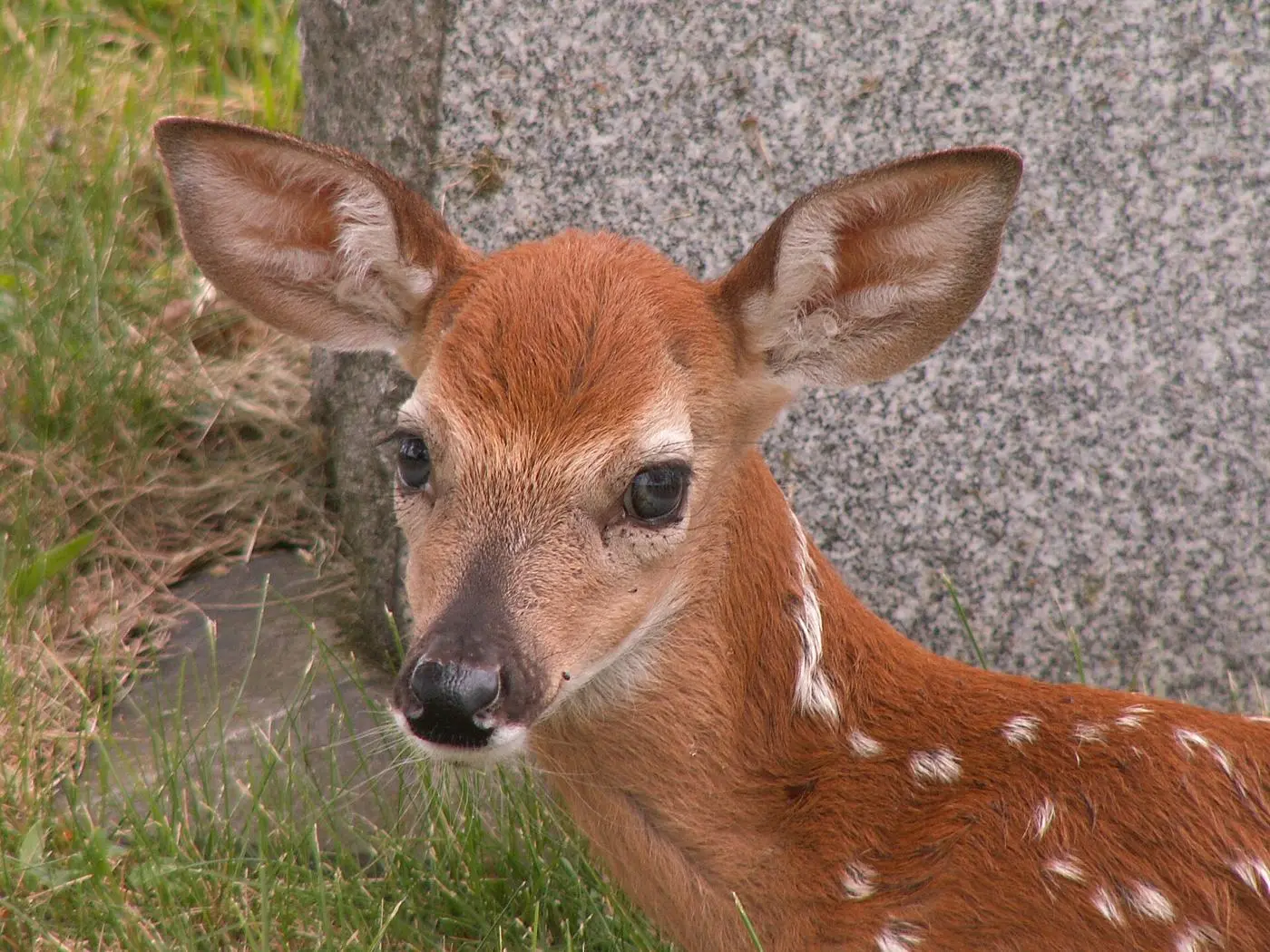
A fawn’s white spots help it blend into sunlit patches on the forest floor. Mothers leave their fawns hidden while they feed nearby, coming back to nurse several times a day.
-
Mammal
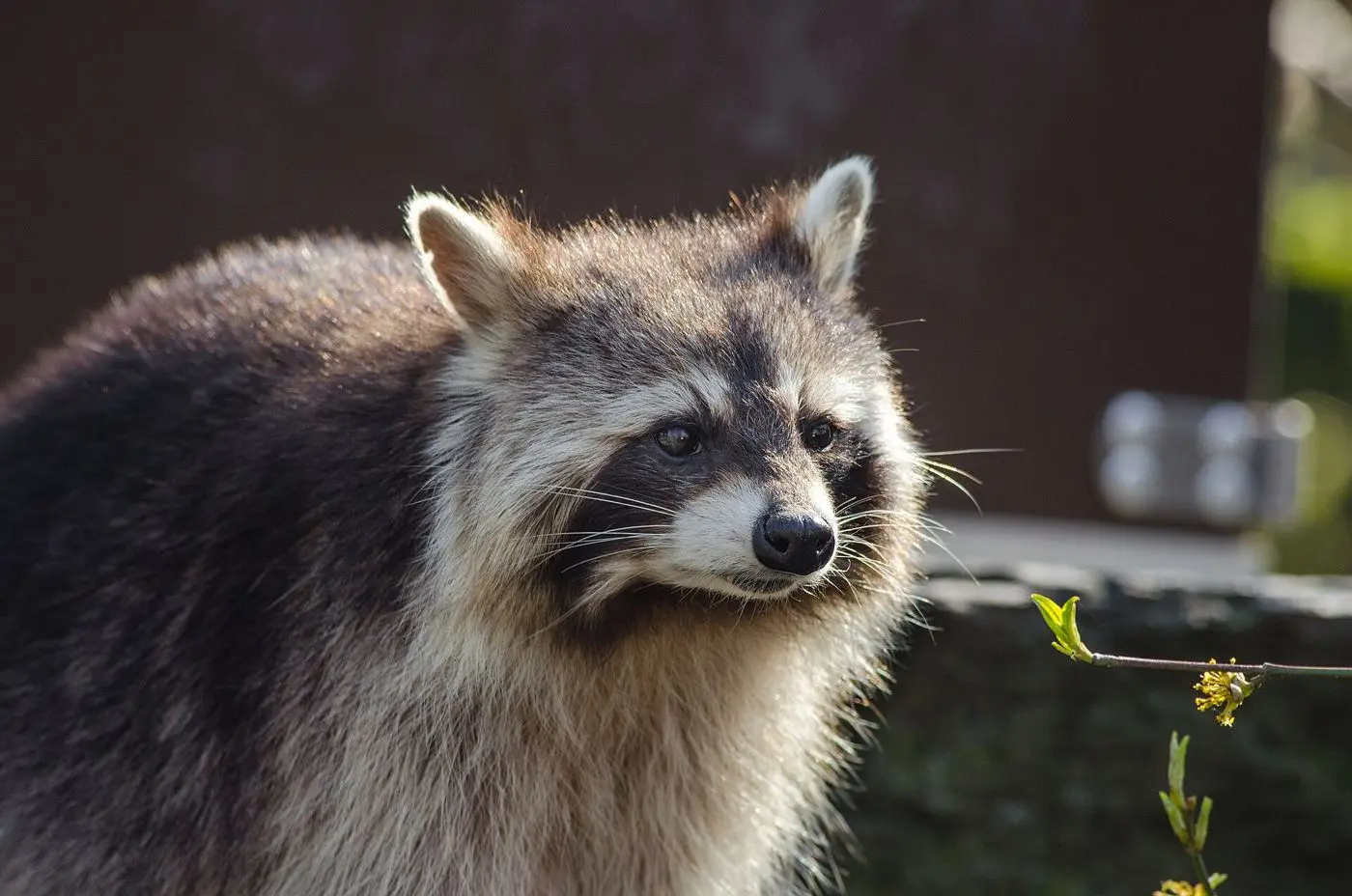
Raccoon
A raccoon’s front paws are extremely sensitive. It learns a lot about food simply by feeling it, often before taking a bite.
-
Mammal
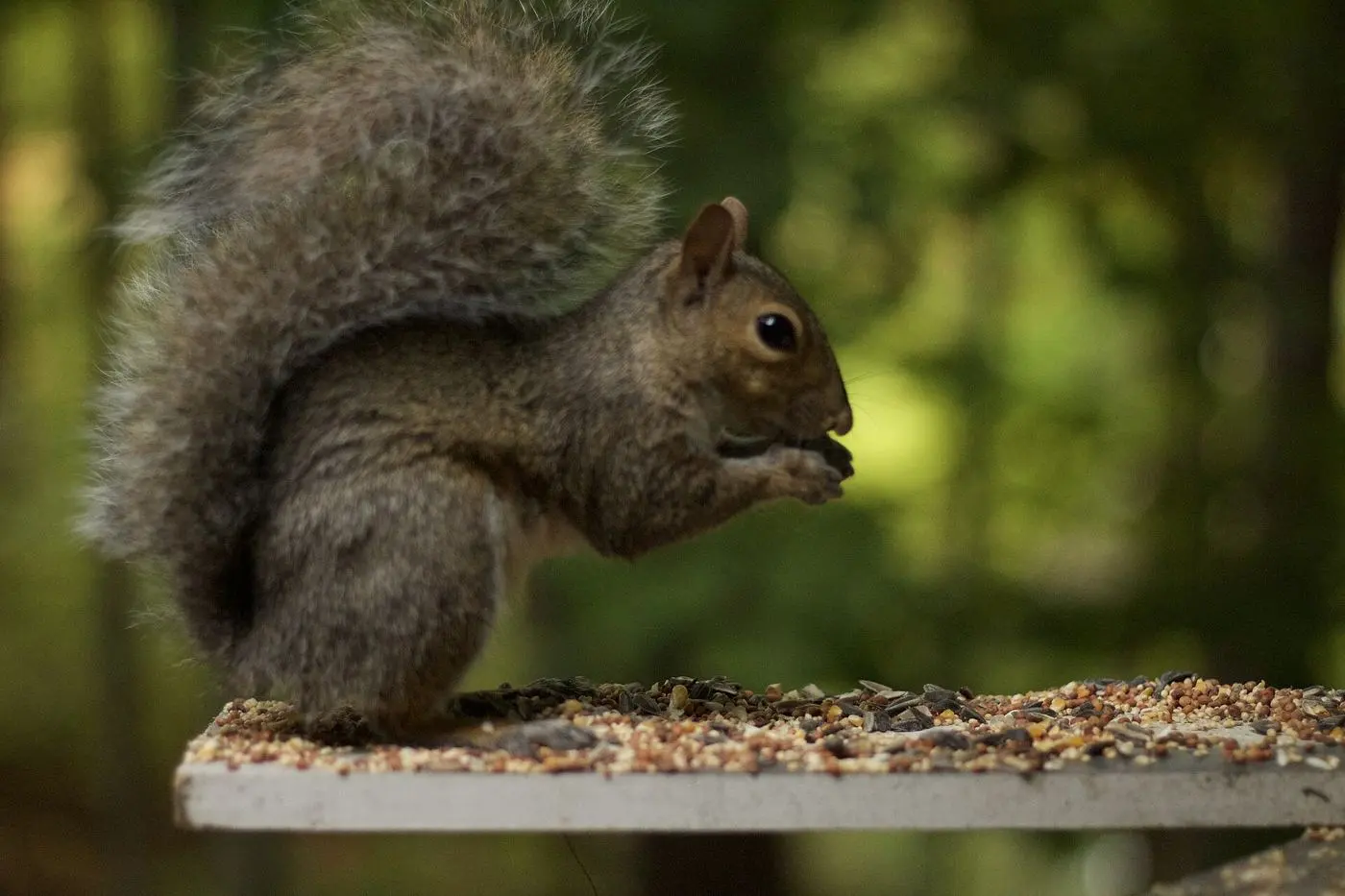
Eastern gray squirrel
Gray squirrels bury food in many small caches and find it again using memory and smell. Nuts they never dig up may help spread trees such as oaks.
-
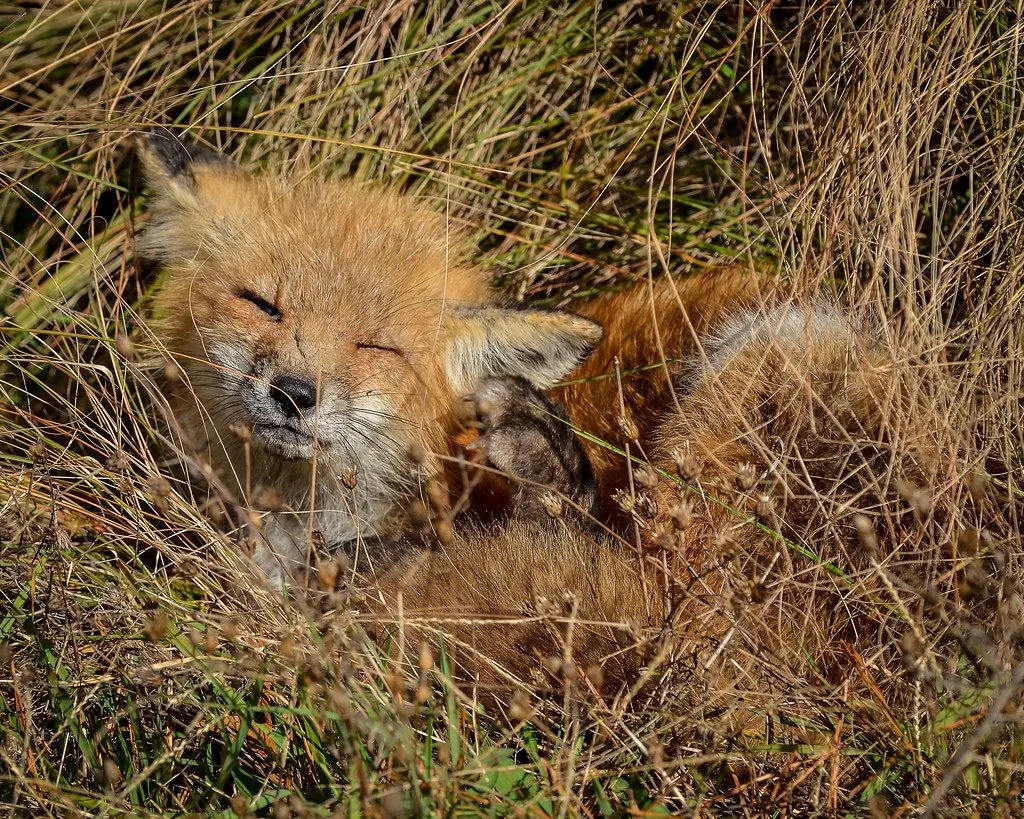
Mammal
Red fox
Red foxes have sharp hearing. They can find a mouse moving under grass or snow, then catch it with a high, arching pounce.
-
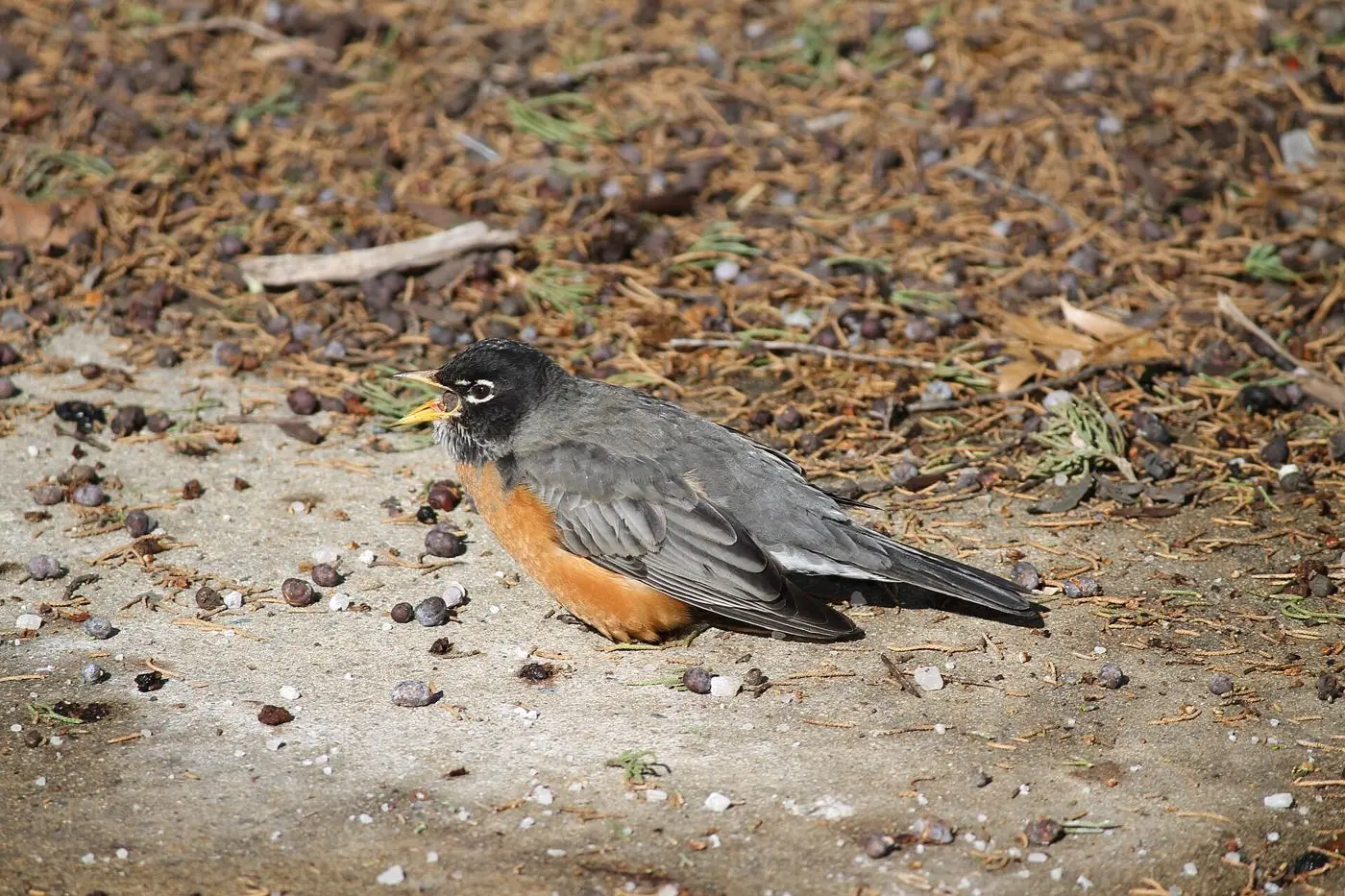
Bird
American robin
Robins aren’t only a sign of spring. Many stay through winter, switching from earthworms to berries and gathering in flocks.
-
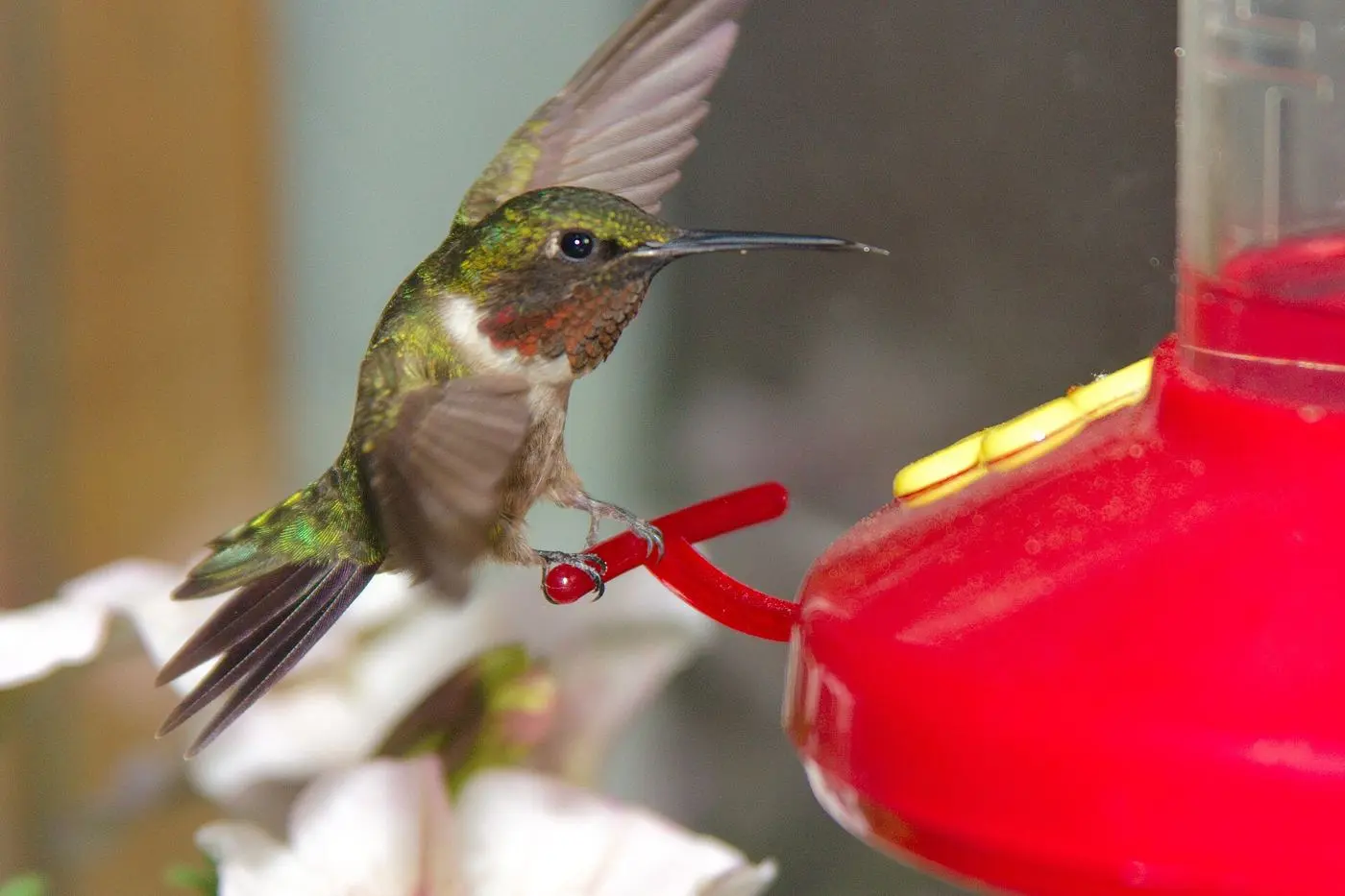
Bird
Ruby-throated hummingbird
This is the only hummingbird that regularly nests in the eastern United States. Although it weighs about as much as a penny, many fly nonstop across the Gulf of Mexico during migration.
-
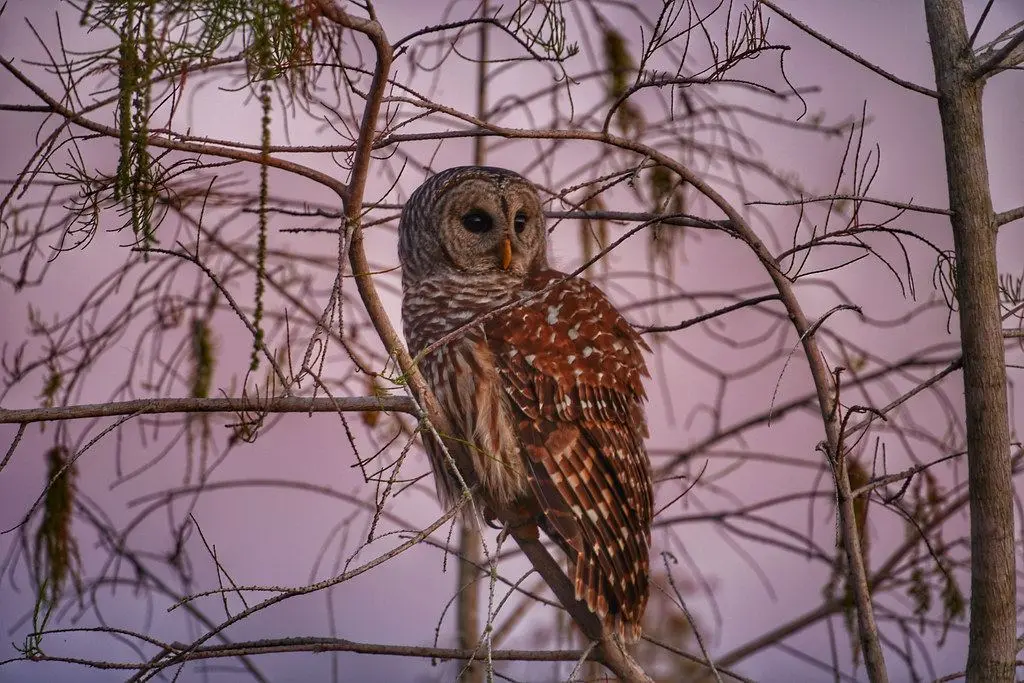
Bird
Barred owl
Its call is often described as “Who cooks for you? Who cooks for you-all?” You’re most likely to hear it at night near mature woods and water.
-
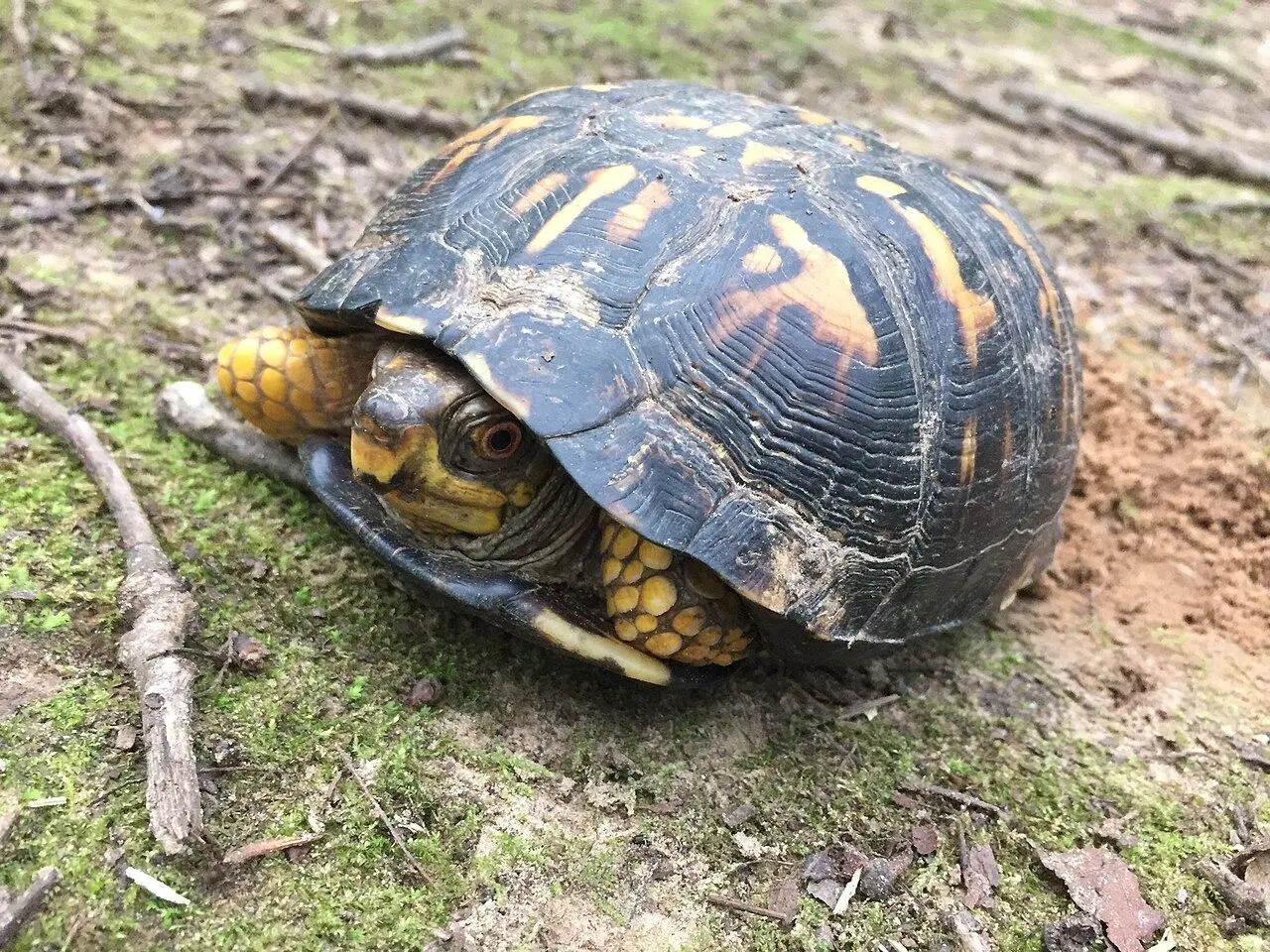
Reptile
Eastern box turtle
A hinge on the underside of its shell lets it close up tight like a box. Box turtles can live for decades, often spending their lives in a small home range.
-
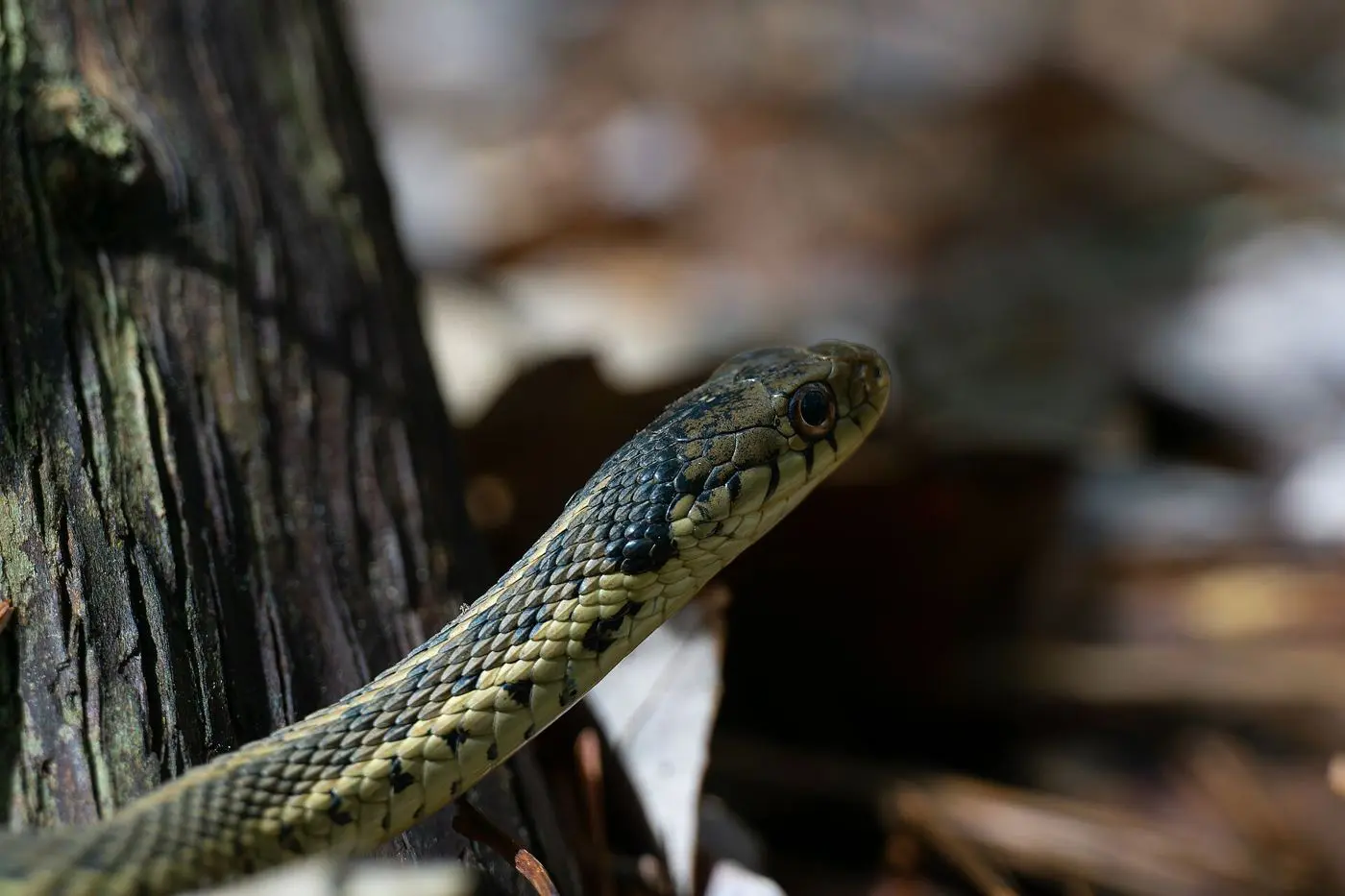
Reptile
Eastern garter snake
Garter snakes are harmless to people and eat slugs, earthworms and insects. Unlike many snakes, they give birth to live young instead of laying eggs.
-
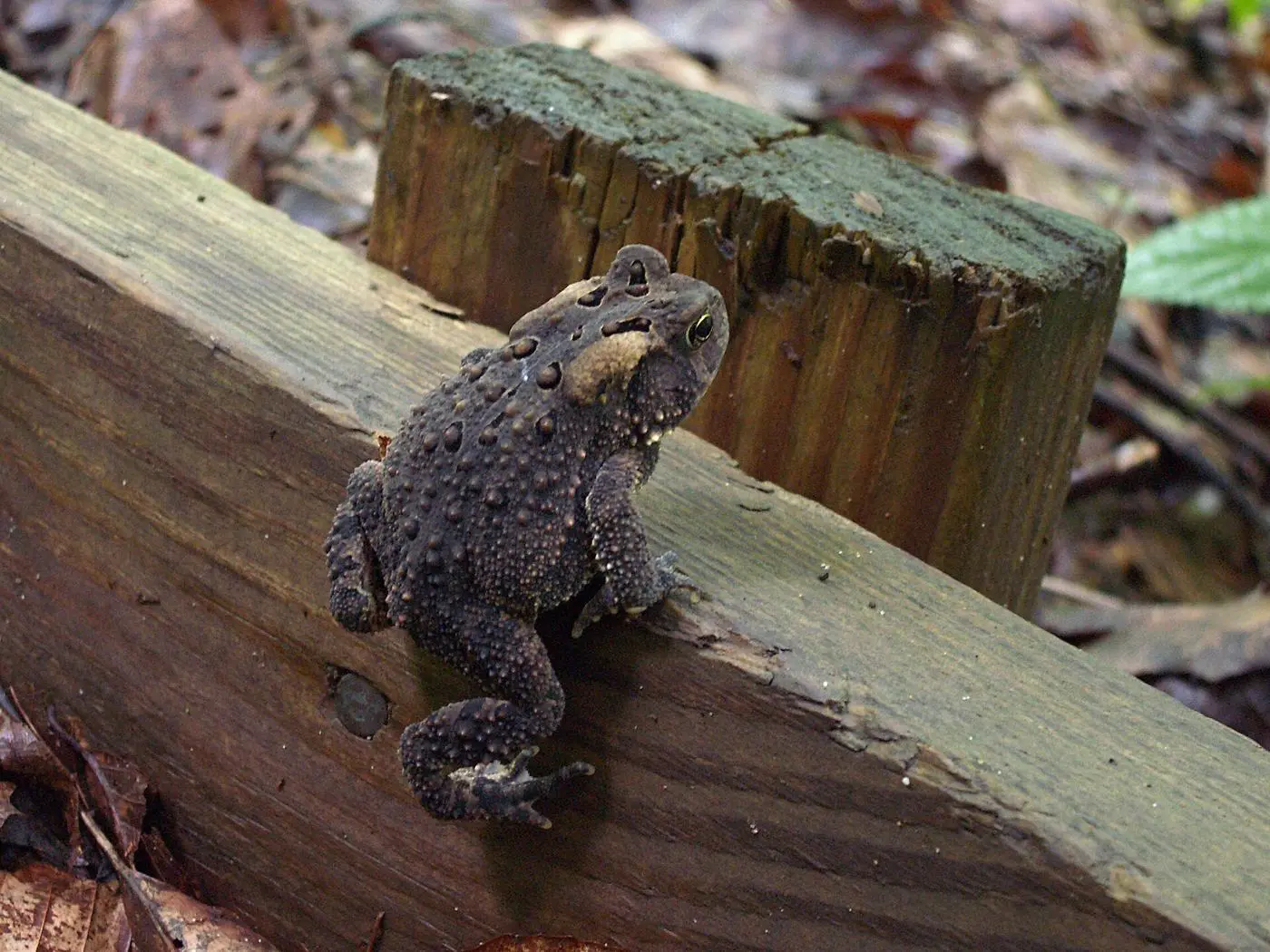
Amphibian
American toad
American toads eat insects and earthworms, and on summer nights they often hunt under outdoor lights. Their warty skin releases a toxin that protects them from predators, so keep curious dogs from mouthing toads.
-
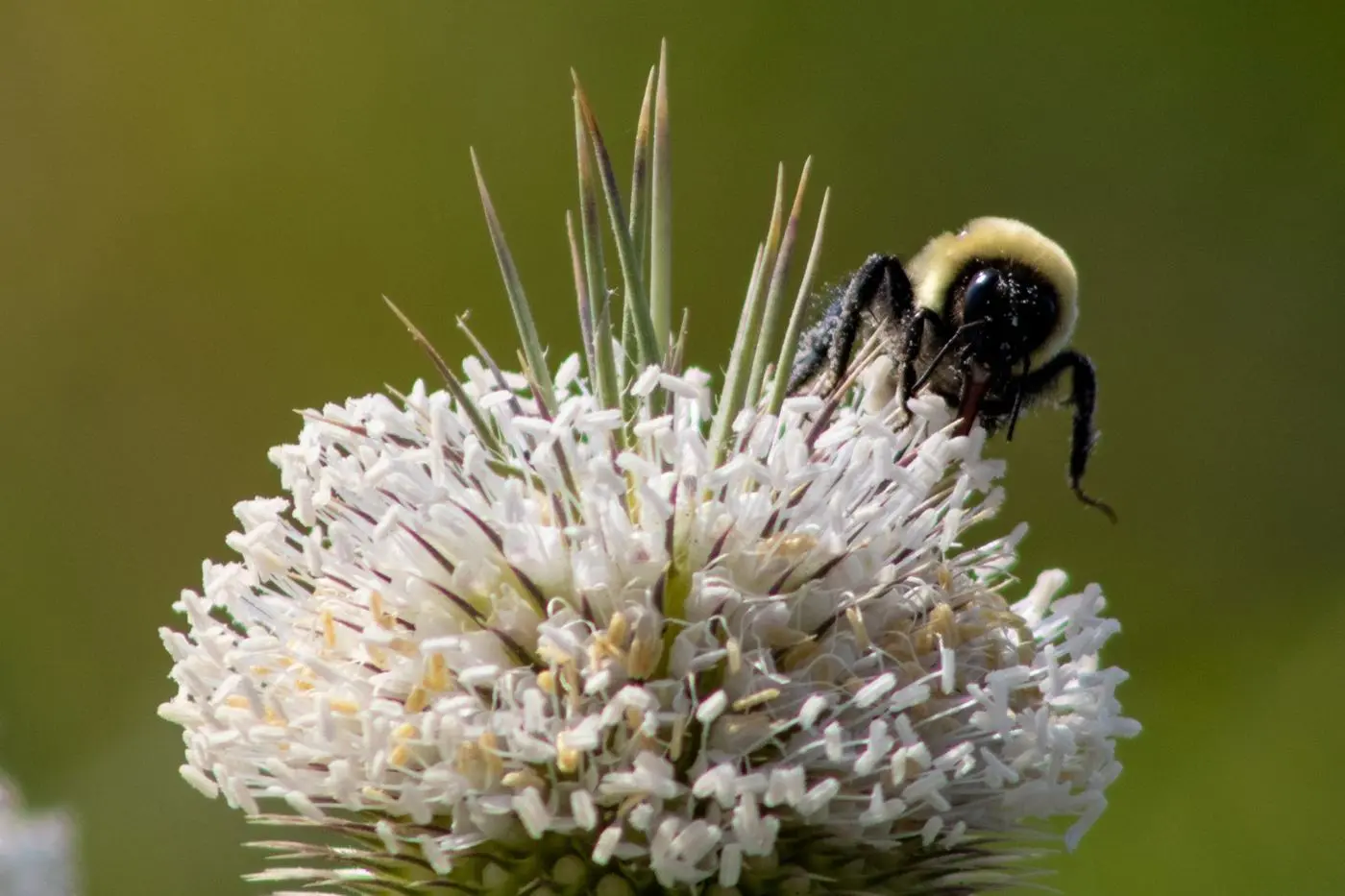
Insect
Bumble bee
Bumble bees can “buzz pollinate”. They vibrate their flight muscles to shake pollen loose from flowers like blueberries and tomatoes.
-
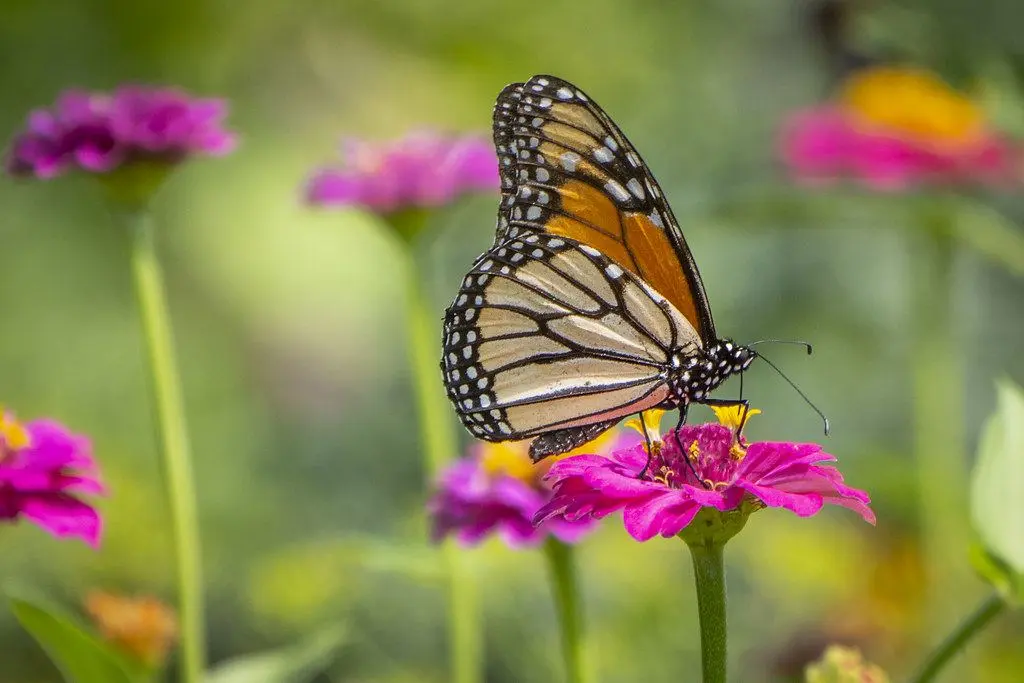
Insect
Monarch butterfly
Monarch caterpillars eat only milkweed. In fall, monarchs from the eastern US fly to central Mexico to spend the winter.
-
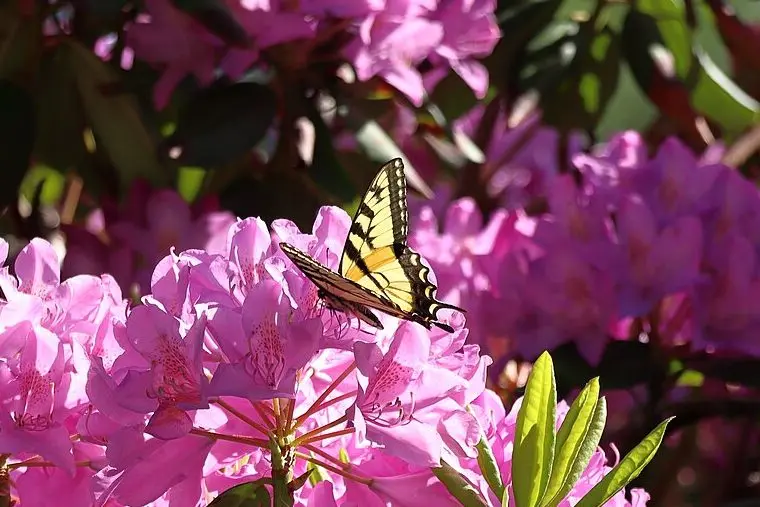
Insect
Eastern tiger swallowtail
Some females are yellow like the males, while others are black. The bright green caterpillars have two large eyespots behind the head.
-
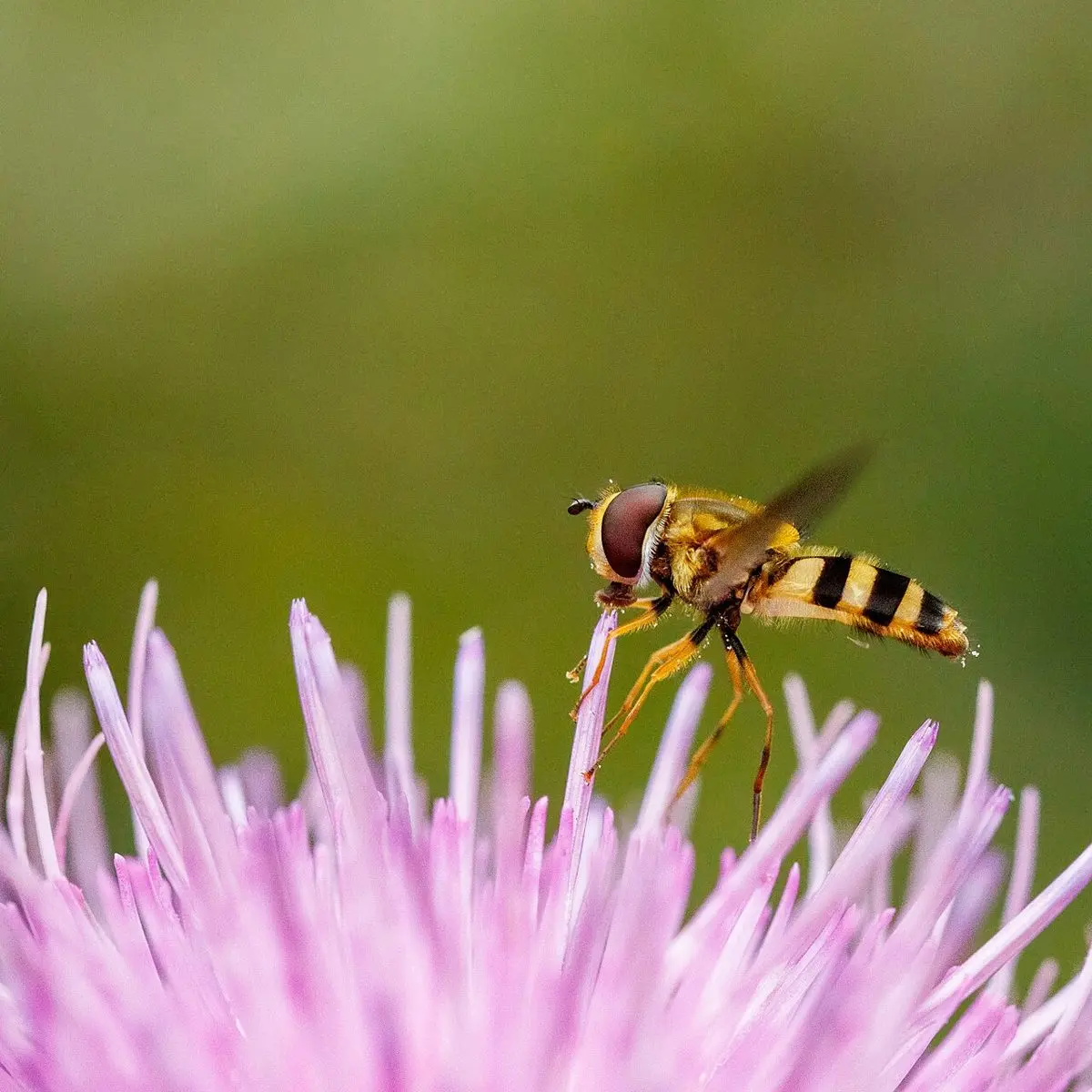
Insect
Hover fly
Hover flies look like small bees, but they cannot sting. A single larva can eat up to 400 aphids as it grows, and adults feed on nectar and pollen.
-
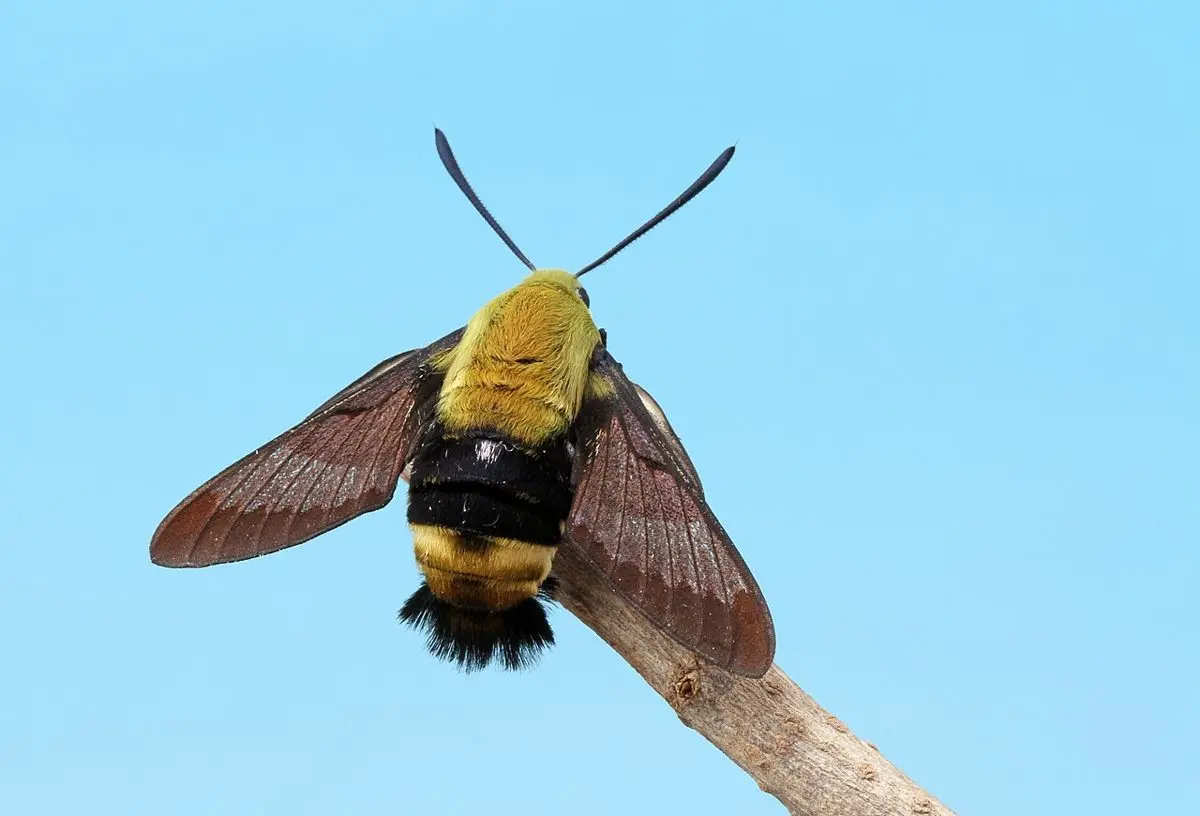
Insect
Clearwing moth
Clearwing moths fly by day and hover at flowers like tiny hummingbirds. Their fuzzy bodies mimic bumble bees, and their wings have clear patches with no scales.
From the journal
Latest animal articles
-
Hover Flies: The Harmless Bee Look-Alikes Working in Your Garden
Hover flies look like tiny bees but can’t sting. Learn how to identify them and why their larvae are such useful aphid…
-
Clearwing Moths: The Tiny Hoverers Often Mistaken for Hummingbirds
That tiny hummingbird at your flowers may be a clearwing moth. Learn how these day-flying moths hover, what they eat and how…
-
Eastern Tiger Swallowtails: Big Yellow Butterflies With a Few Surprises
Meet the eastern tiger swallowtail, from its dark-form females and eyespot caterpillars to the trees and flowers it uses in your yard.
-
Eastern Gray Squirrels: The Nut-Burying Acrobats of Your Backyard
Eastern gray squirrels stash food all over the yard and find it again with memory and smell. Here’s what else they do,…
-
American Robins: Much More Than the First Sign of Spring
Your first robin of spring may have wintered just a few miles away. Learn how American robins feed, nest, sing, and get…
-
American Toads: The Bumpy Night Shift in Your Garden
American toads hunt insects at night and won’t give you warts. Here’s how to identify them, help them, and keep curious dogs…
Myth vs fact
Things many people get wrong about wildlife
Tap each one to see what’s really going on.
Myth Opossums “play dead” on purpose.
Fact
“Playing possum” isn’t a choice. It’s an involuntary reaction to extreme fear. The opossum goes limp and can stay that way for minutes or even hours before it slowly recovers.
Myth If you touch a baby bird, its parents will abandon it.
Fact
Most birds have a weak sense of smell and won’t reject a chick because a person handled it. If a nestling has fallen out, you can gently return it to the nest. Feathered fledglings hopping on the ground are usually fine and still being fed by their parents.
Myth A fawn lying alone has been abandoned.
Fact
Mother deer leave fawns hidden for hours to avoid drawing predators to them, and return to nurse. The kindest thing to do is keep your distance and keep pets away.
Myth Touching a toad gives you warts.
Fact
Warts on people are caused by a human virus, not by toads. Toads’ skin can release an irritating toxin, though, so wash your hands after handling one and don’t let pets bite them.
Through the year
What backyard animals are up to each season
-
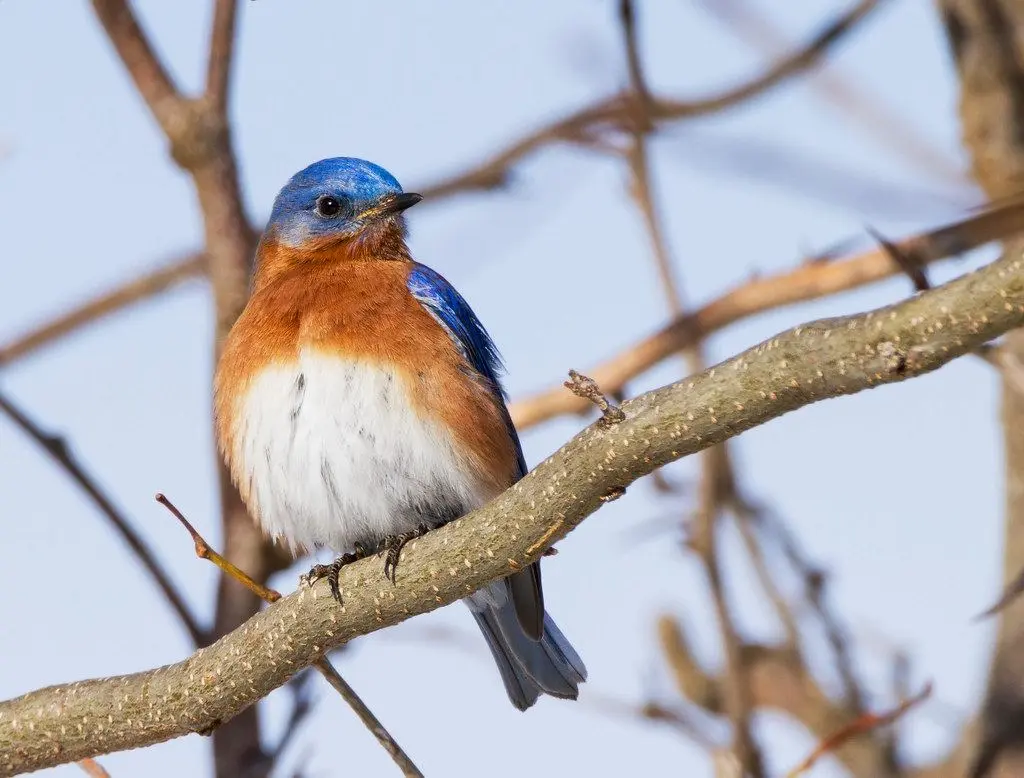
Nesting begins. Songbirds build nests and sing to claim their territory.
-
Toads and frogs call. They gather at shallow ponds and wet spots to breed.
-
Fawns arrive. Most white-tailed deer fawns are born in late spring and early summer.
-
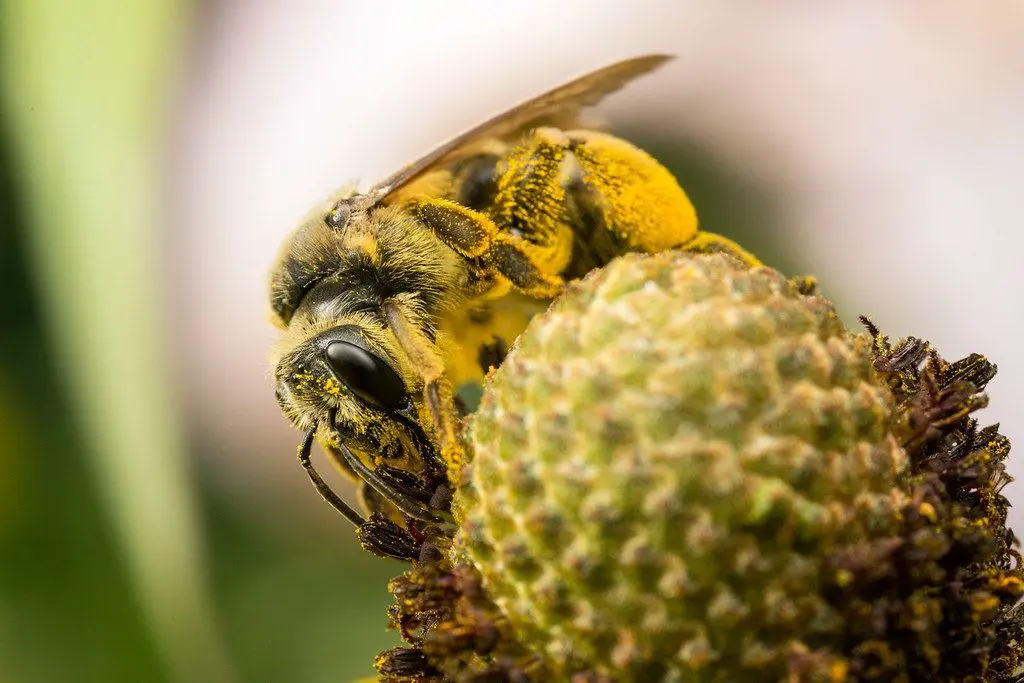
Pollinators are busy. Bees, butterflies and hummingbirds visit flowers from morning to evening.
-
Turtles on the move. Box turtles are often seen crossing lawns and roads, especially after rain.
-
Young animals explore. Fledgling birds and young mammals learn to find food on their own.
-
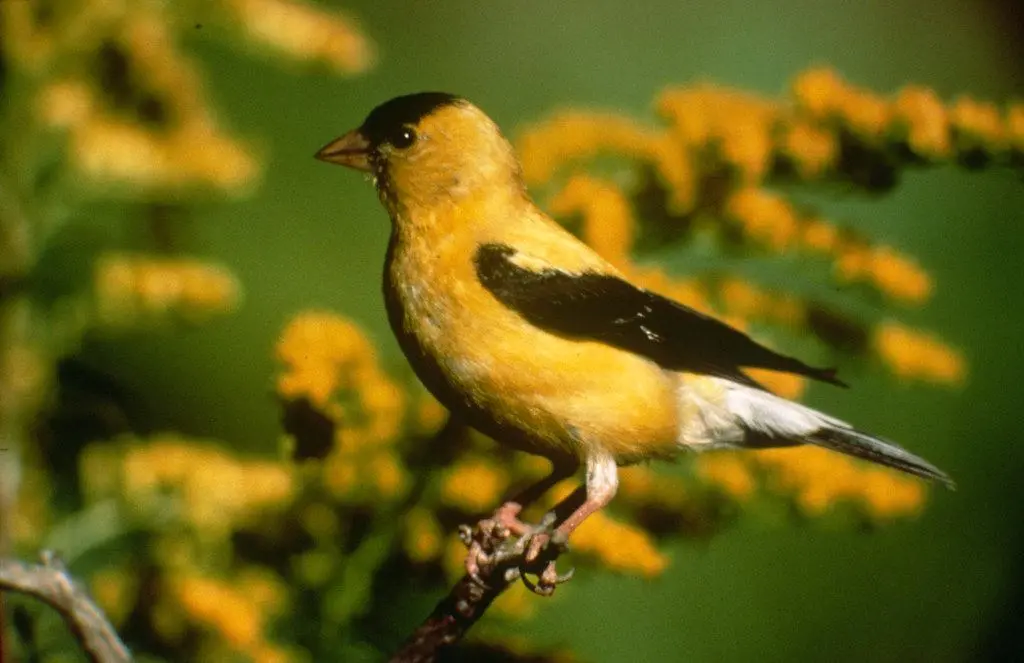
Migration. Hummingbirds, many songbirds and monarch butterflies head south.
-
Storing food. Squirrels and blue jays bury nuts and acorns for the months ahead.
-
Deer are on the move. Fall is breeding season for white-tailed deer, so watch for them near roads.
-
Resting and sheltering. Box turtles and toads burrow underground. Opossums and raccoons don’t truly hibernate but stay in their dens on the coldest nights.
-
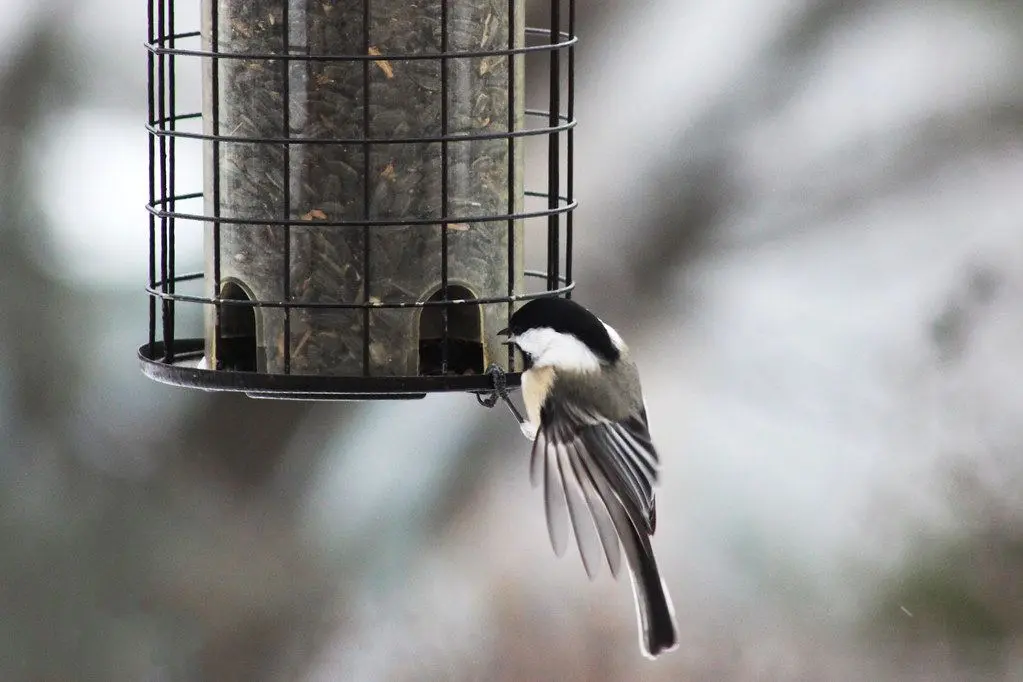
Year-round birds. Chickadees, cardinals and woodpeckers need high-energy food and open water.
-
Water is scarce. When ponds freeze, a shallow birdbath can help many animals.
Our approach
How we check our facts
Wild animals are fascinating enough without exaggeration. Every fact on Wild Earth Journal is written to be accurate, clear and useful.
-
Reliable sources
We base our facts on reliable sources, not rumors or viral posts.
-
Clear explanations
Plain American English with practical examples and no unnecessary jargon.
-
No hype
No exaggerated claims or clickbait headlines, just the real story.
Have a question or spotted something we should look at again? Get in touch.