Butterflies & Pollinators
Butterflies, native bees, moths and flies carry pollen from flower to flower, helping plants make seeds and fruit. Learn who is visiting your garden and which native plants keep them coming back from spring to fall.
Active spring to fall
On this page
-
Common species and the plants they need
-
Quiet, hard-working garden helpers
-
Day-flying moths and hover flies
-
Native flowers for your region
Pollinator guide
Who is visiting your flowers?
-
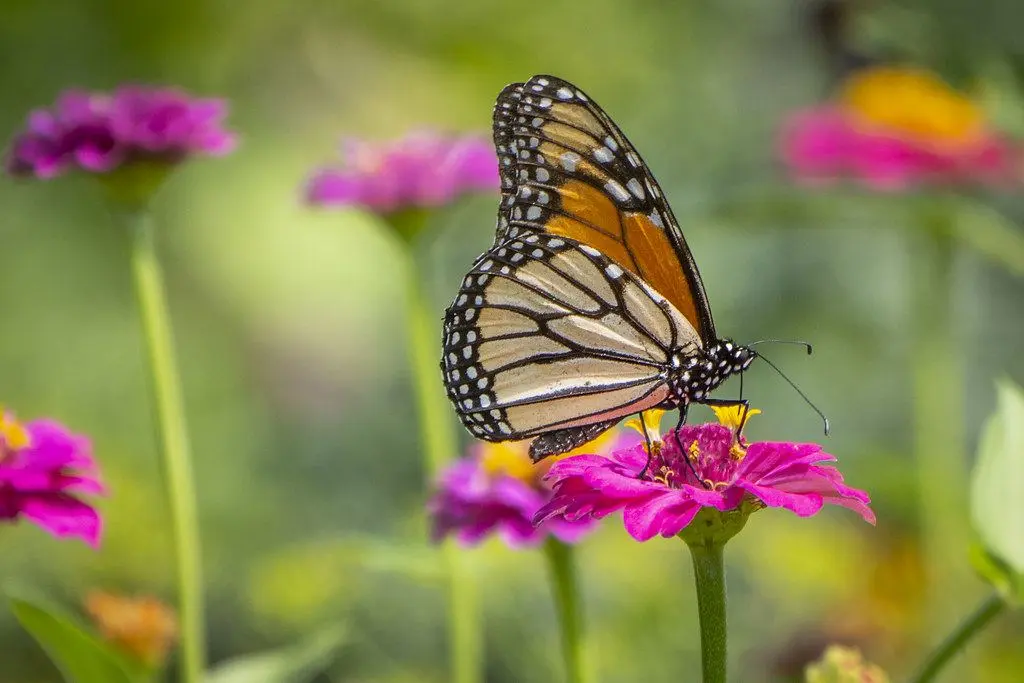
Butterfly
Monarch
Monarchs are known for their long fall migration. Many from the eastern US travel to forests in central Mexico to spend the winter.
-
Looks like
-
Orange wings with black veins and black edges dotted with white.
-
Feeds on
-
Adults sip nectar from many flowers. Caterpillars eat only milkweed.
-
Tip
-
Plant a milkweed native to your area, plus asters and goldenrods for fall travelers.
-
-
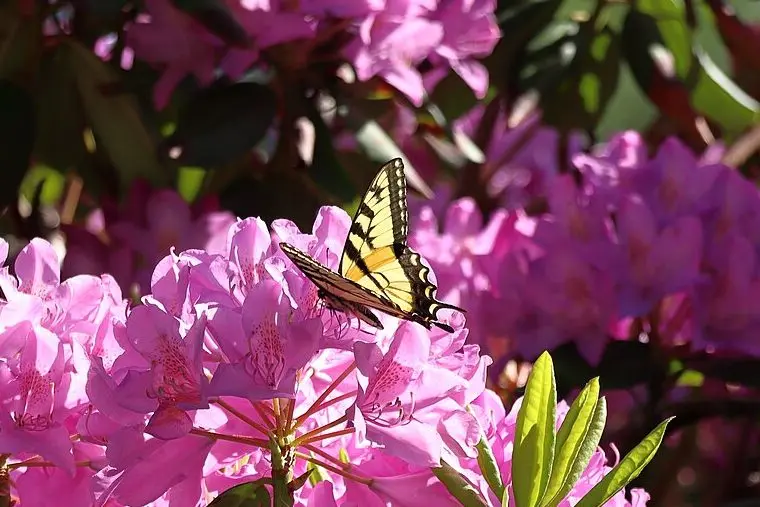
Butterfly
Eastern tiger swallowtail
One of the largest butterflies in eastern yards. Some females are mostly black instead of yellow.
-
Looks like
-
Yellow wings with black tiger stripes and a tail on each hindwing.
-
Feeds on
-
Caterpillars eat the leaves of trees such as wild black cherry and tulip tree.
-
-
Butterfly
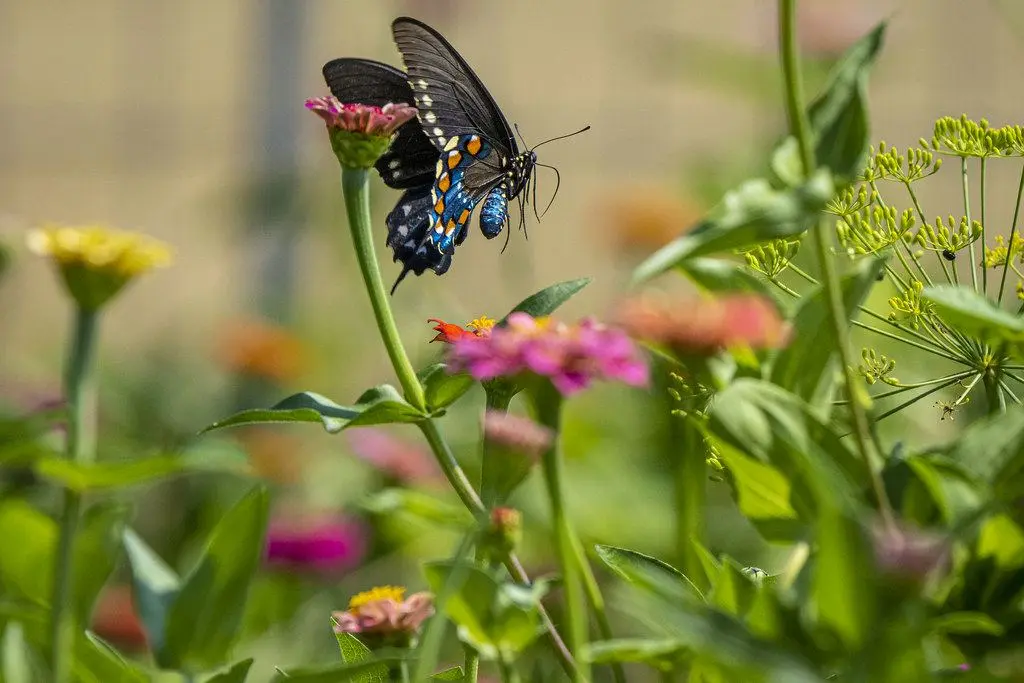
Pipevine swallowtail
Its caterpillars eat pipevine plants, which makes the butterflies taste bad to birds. Several other butterflies look similar, which may help protect them too.
-
Looks like
-
Black wings with shimmering blue hindwings.
-
Feeds on
-
Caterpillars eat pipevines. Choose a pipevine native to your region.
-
-
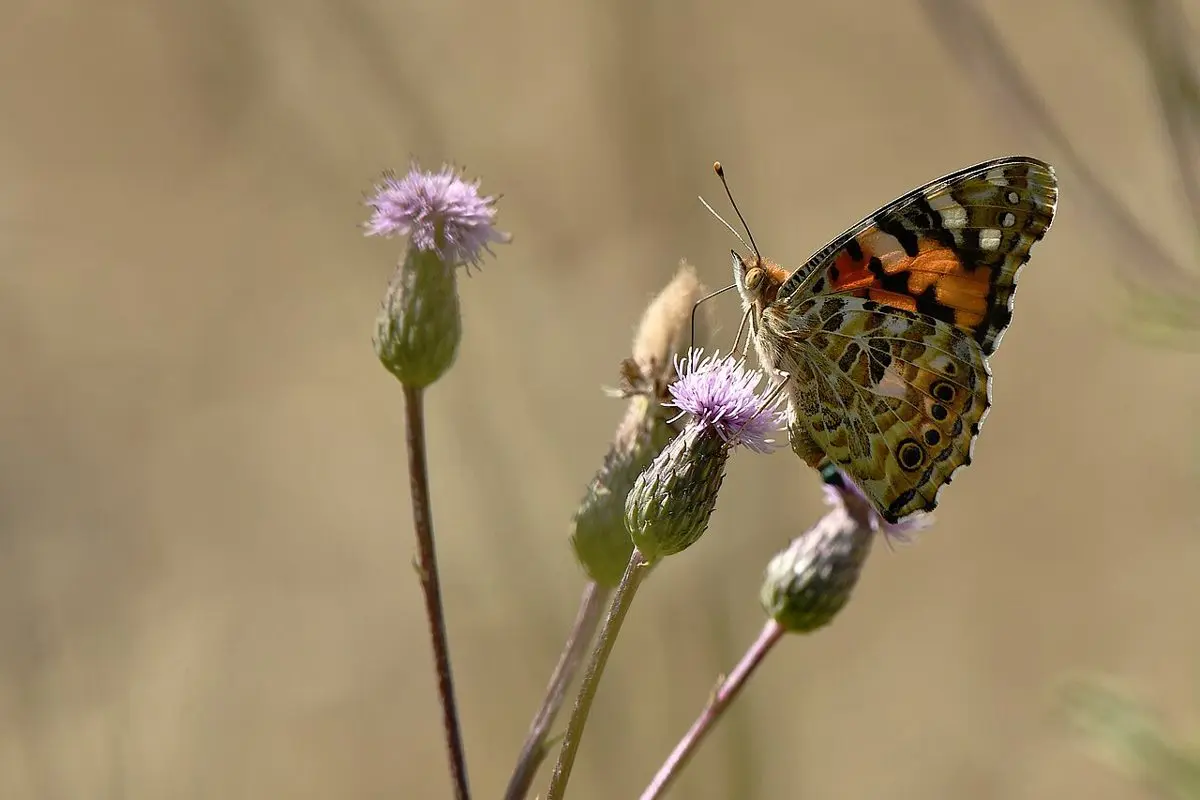
Butterfly
Painted lady
One of the most widespread butterflies in the world. Its numbers can change a lot from one year to the next.
-
Looks like
-
Orange and black, with white spots near the wingtips.
-
Feeds on
-
Caterpillars eat thistles, mallows and related plants.
-
-
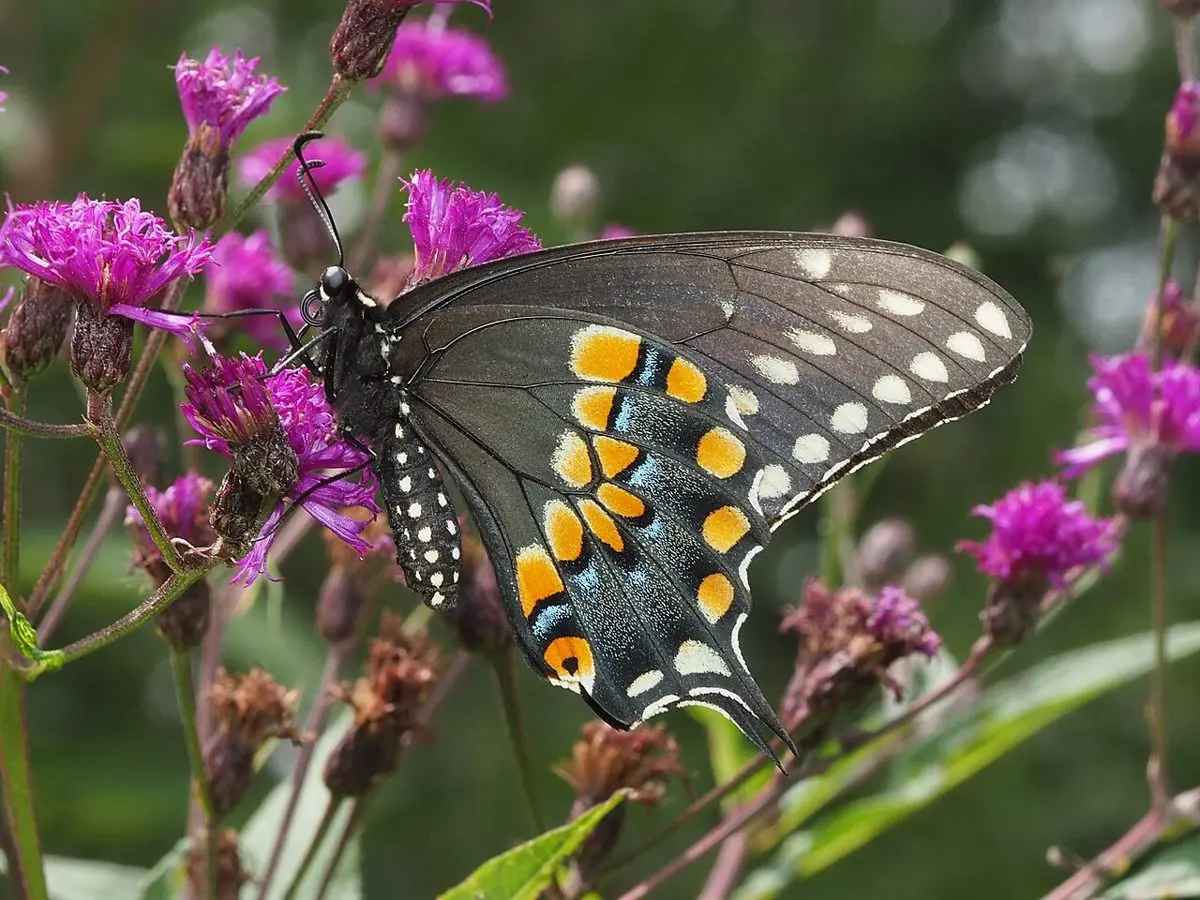
Butterfly
Black swallowtail
Gardeners often meet this one as a striped caterpillar on their dill or parsley.
-
Looks like
-
Black with rows of yellow spots. Females have more blue on the hindwings.
-
Feeds on
-
Caterpillars eat plants in the carrot family, such as dill, parsley and fennel.
-
-
Native bee
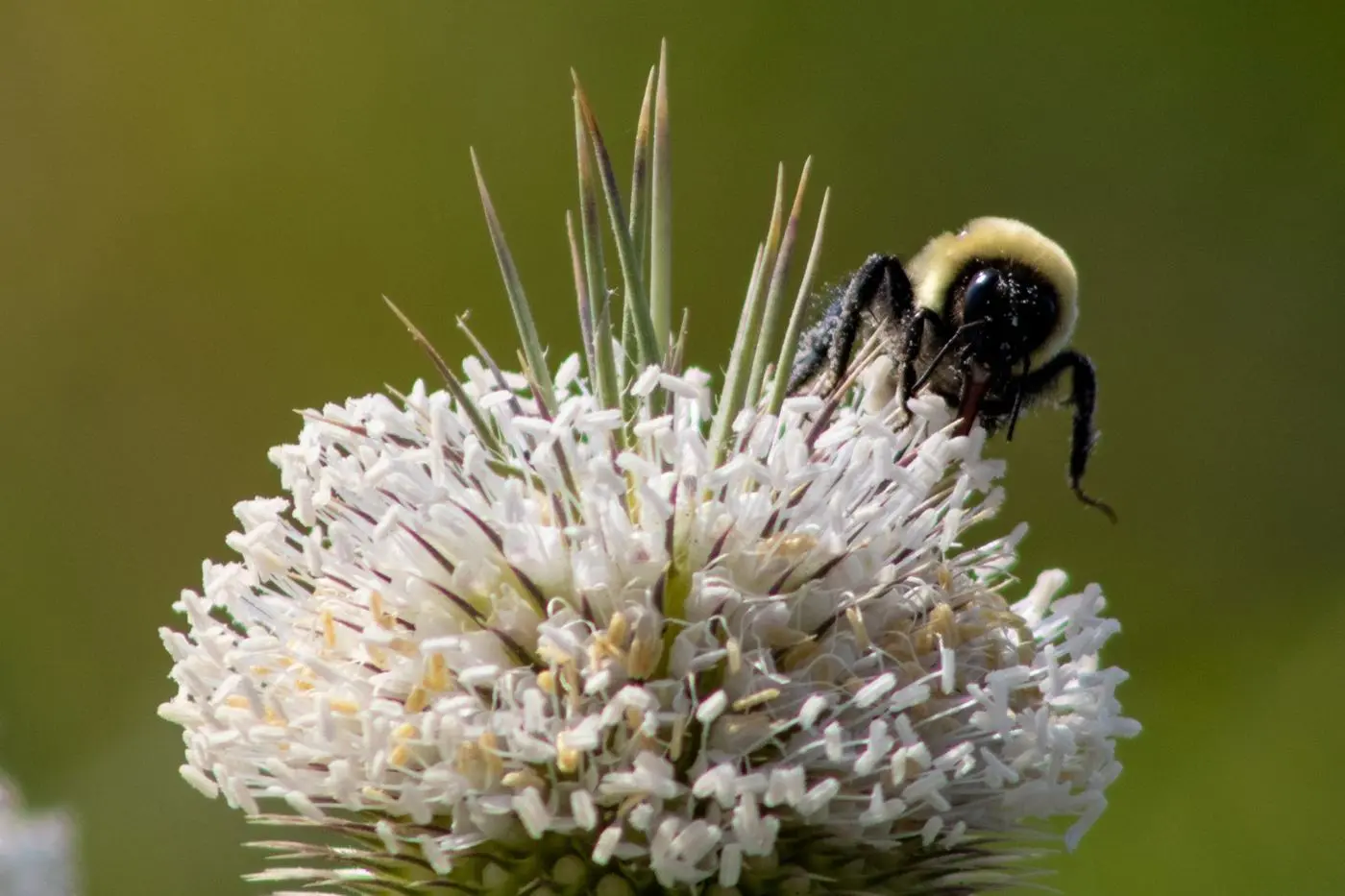
Bumble bee
Bumble bees can grab a flower and vibrate their flight muscles to shake pollen loose. This is called buzz pollination, and it helps plants such as tomatoes and blueberries.
-
Looks like
-
Large, round and fuzzy, with black and yellow bands.
-
Nests in
-
Small colonies, often in the ground or old rodent burrows.
-
Tip
-
Early spring flowers feed queens as they start new colonies.
-
-
Native bee
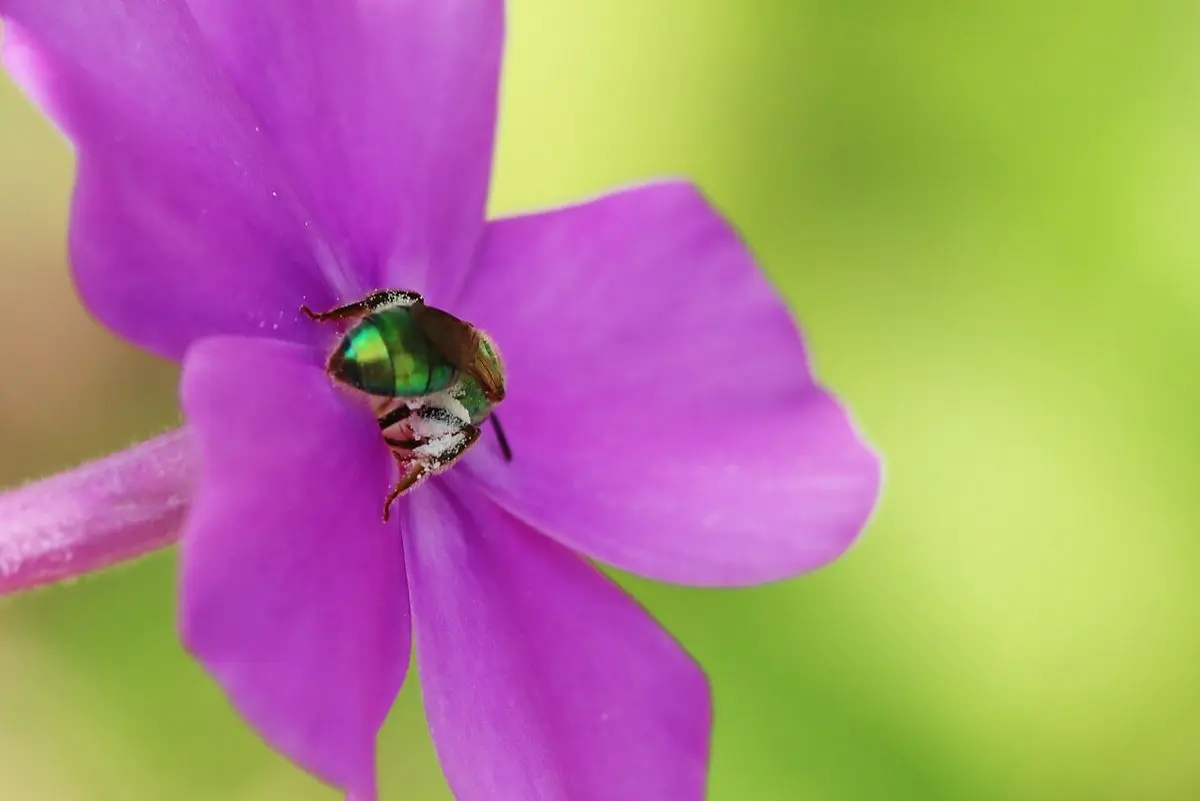
Sweat bee
Some sweat bees land on people to sip salty sweat, which is how they got their name.
-
Looks like
-
Small, and many are a shiny metallic green.
-
Nests in
-
Most dig nests in bare soil.
-
-
Native bee
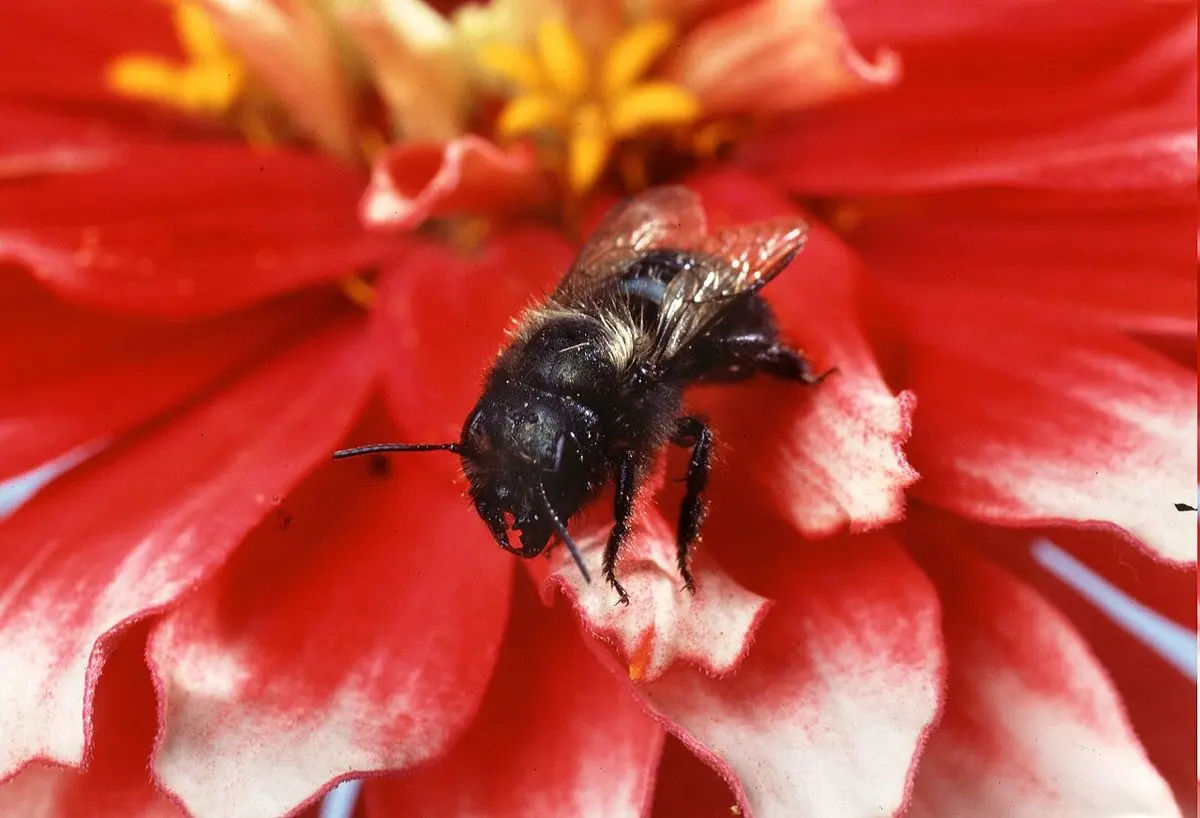
Mason bee
Mason bees seal their nests with mud, like tiny bricklayers. The blue orchard bee is an important pollinator of fruit trees.
-
Looks like
-
Smaller than a honeybee, often dark metallic blue.
-
Nests in
-
Hollow stems and small holes in wood.
-
-
Moth
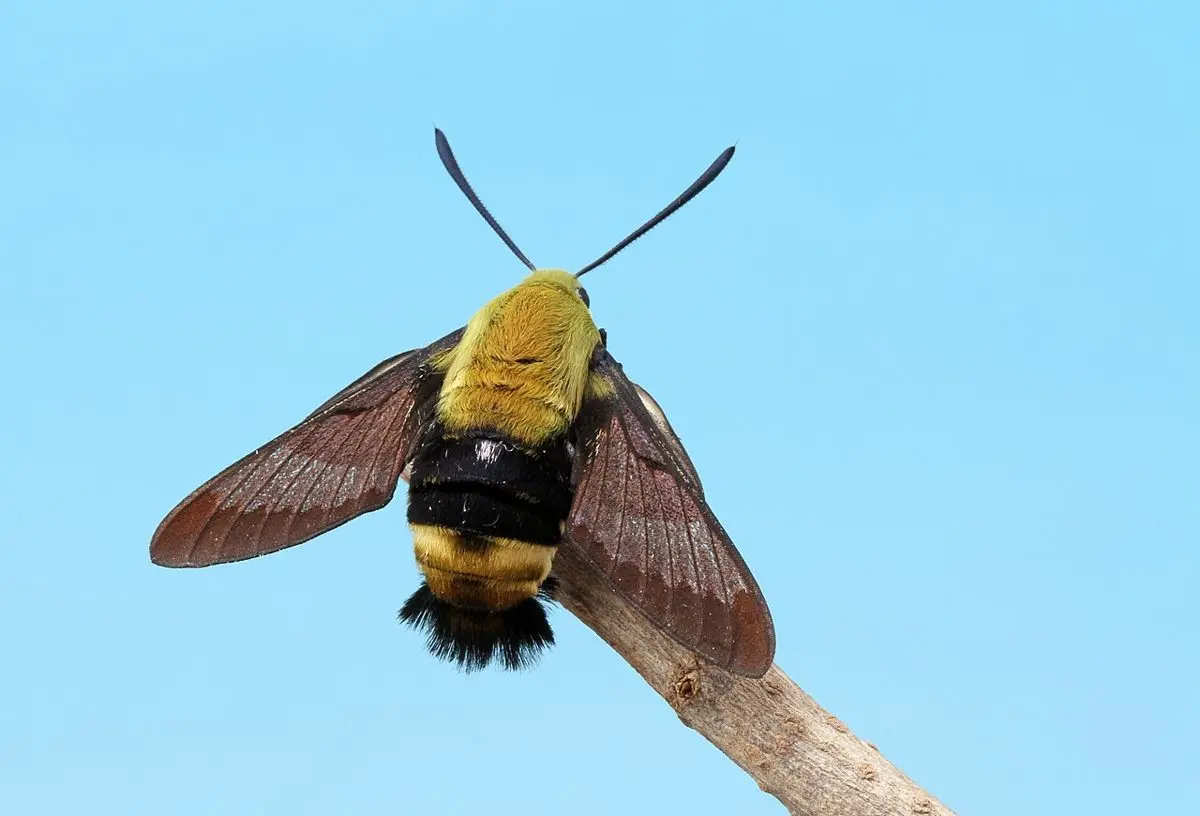
Clearwing moth
Hemaris clearwing moths fly by day and hover at flowers, so people often mistake them for tiny hummingbirds or bumble bees.
-
Looks like
-
A fuzzy body and wings with clear, see-through patches.
-
Feeds on
-
Adults sip nectar from flowers such as bee balm.
-
-
Fly
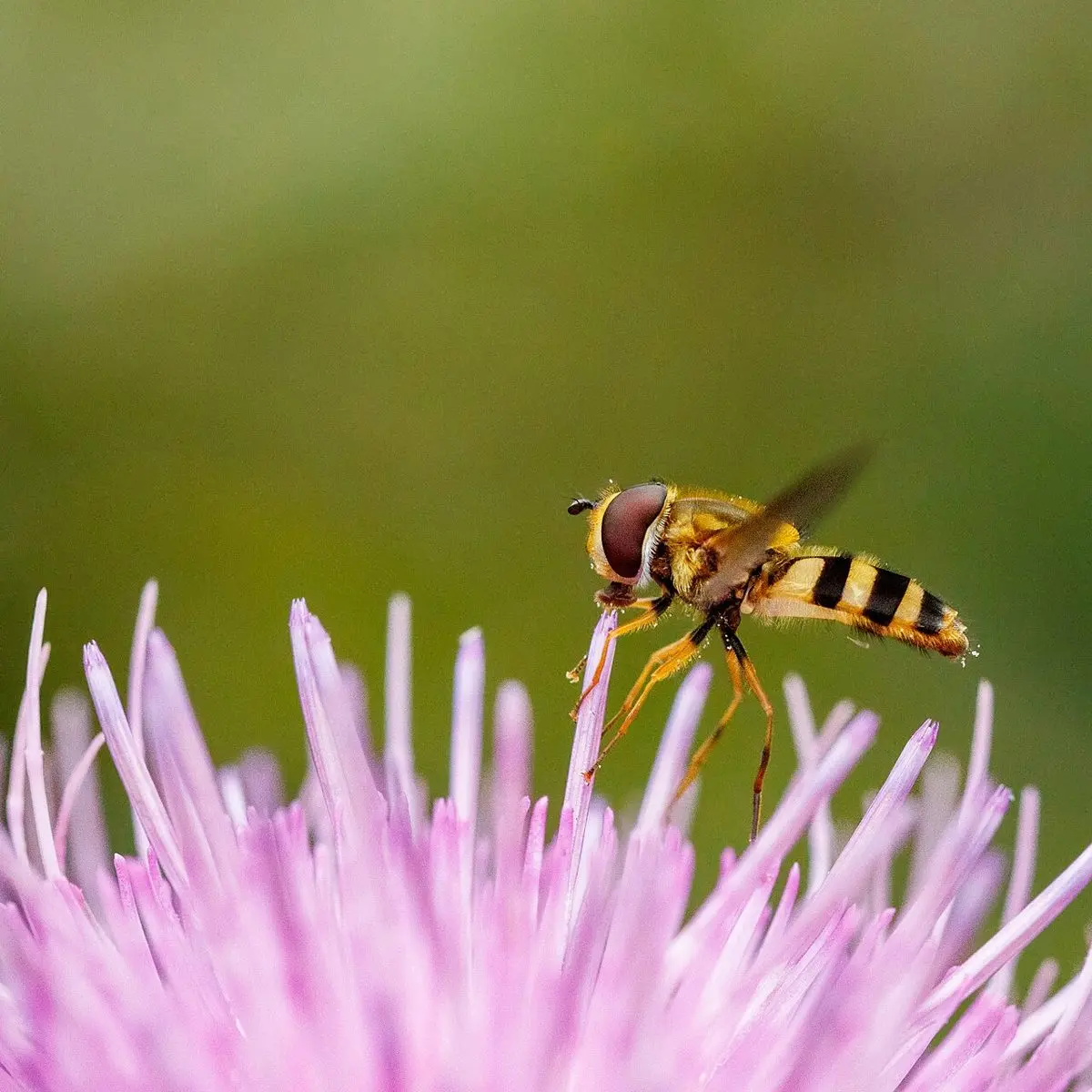
Hover fly
Hover flies look like small bees or wasps, but they can’t sting. The larvae of many kinds eat aphids.
-
Looks like
-
Yellow and black bands, one pair of wings and short antennae. Hovers in place.
-
Feeds on
-
Adults visit small, open flowers for nectar and pollen.
-
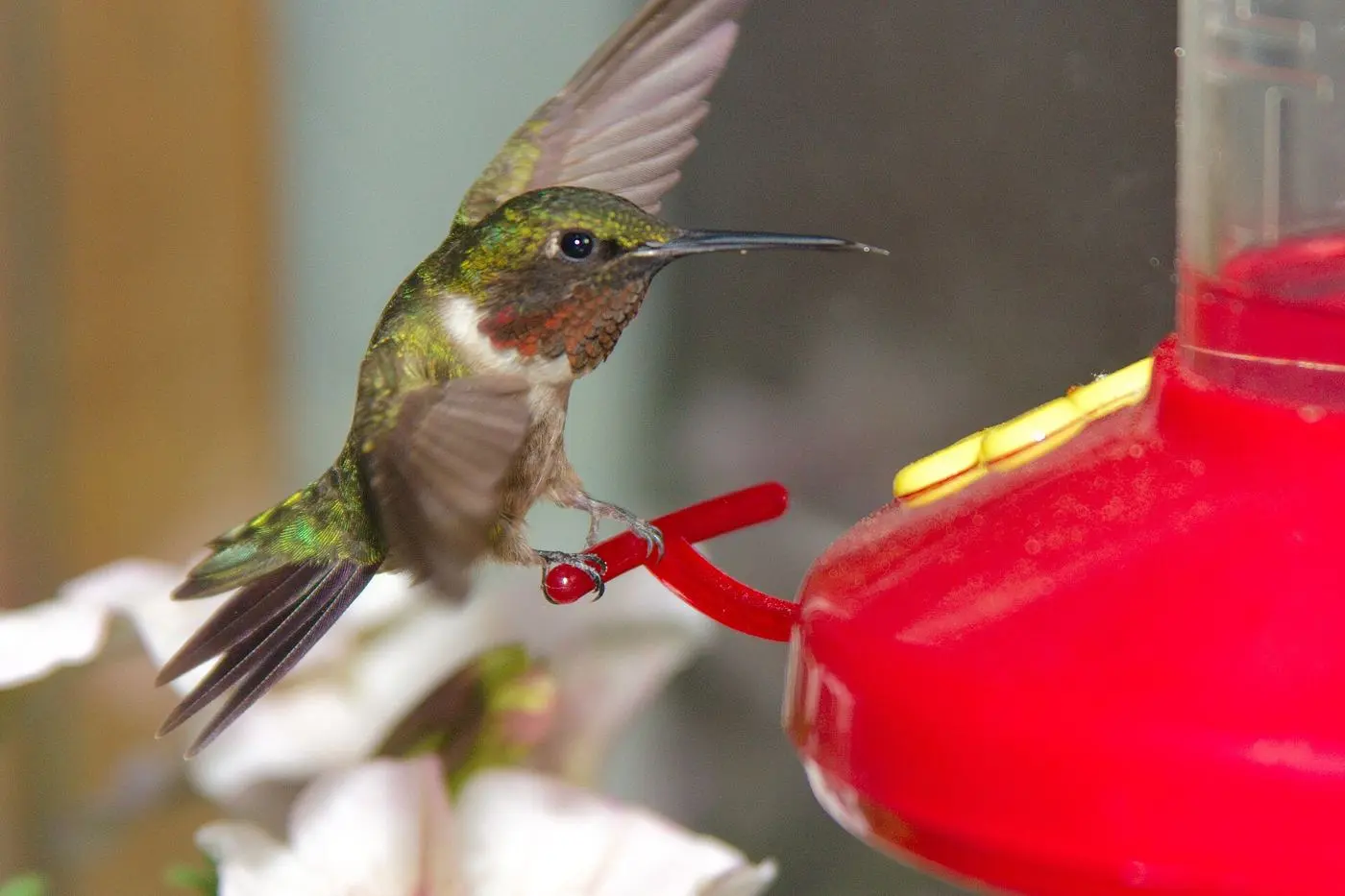
Hummingbirds are pollinators too. Learn how to welcome them on our Backyard Birds page.
Monarchs
How to welcome monarchs with a native pollinator patch
Monarch caterpillars eat only milkweed. Without it, monarchs can’t complete their life cycle. A small sunny corner with milkweed and nectar flowers can become a stopover on their journey.
-
1 Egg
A female lays single eggs, usually on the underside of milkweed leaves. They hatch in a few days.
-
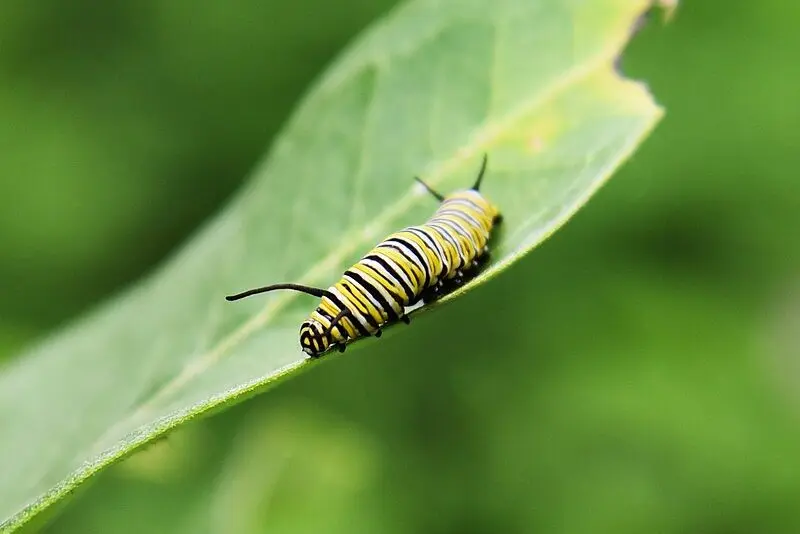
2 Caterpillar
The striped caterpillar eats milkweed leaves and grows for about two weeks.
-
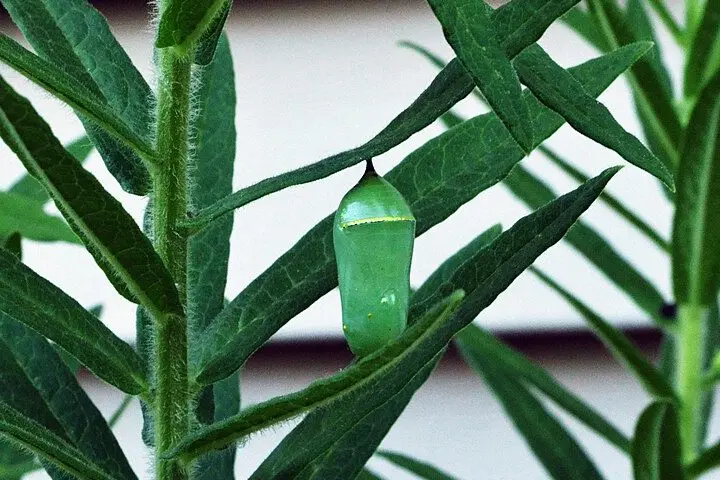
3 Chrysalis
It hangs in a green chrysalis with gold dots while its body changes into a butterfly.
-
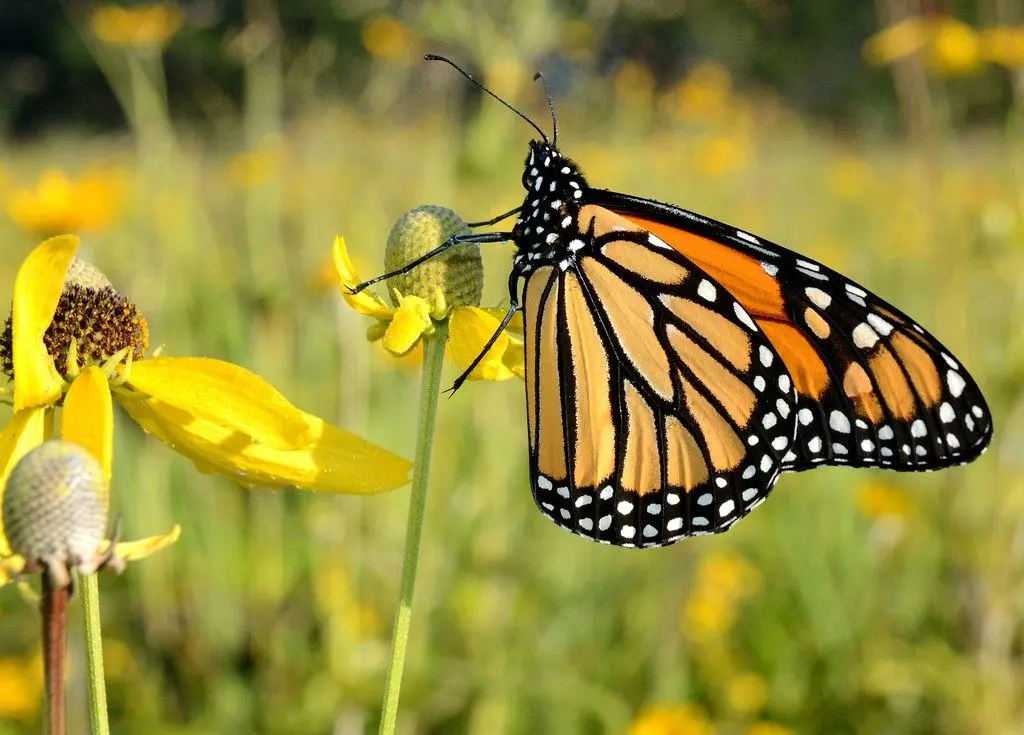
4 Adult
The adult feeds on nectar. Monarchs born in late summer are the ones that migrate south.
Turn a small sunny corner into a stopover
- Pick a spot that gets sun for most of the day.
- Plant a milkweed native to your region, such as common milkweed, swamp milkweed or butterfly weed.
- Add nectar flowers that bloom in late summer and fall, like asters, goldenrods and blazing stars.
- Skip pesticides, which can harm caterpillars as well as adults.
Pet safety: Milkweed is toxic to pets if eaten. Plant it where dogs and cats won’t chew on it.
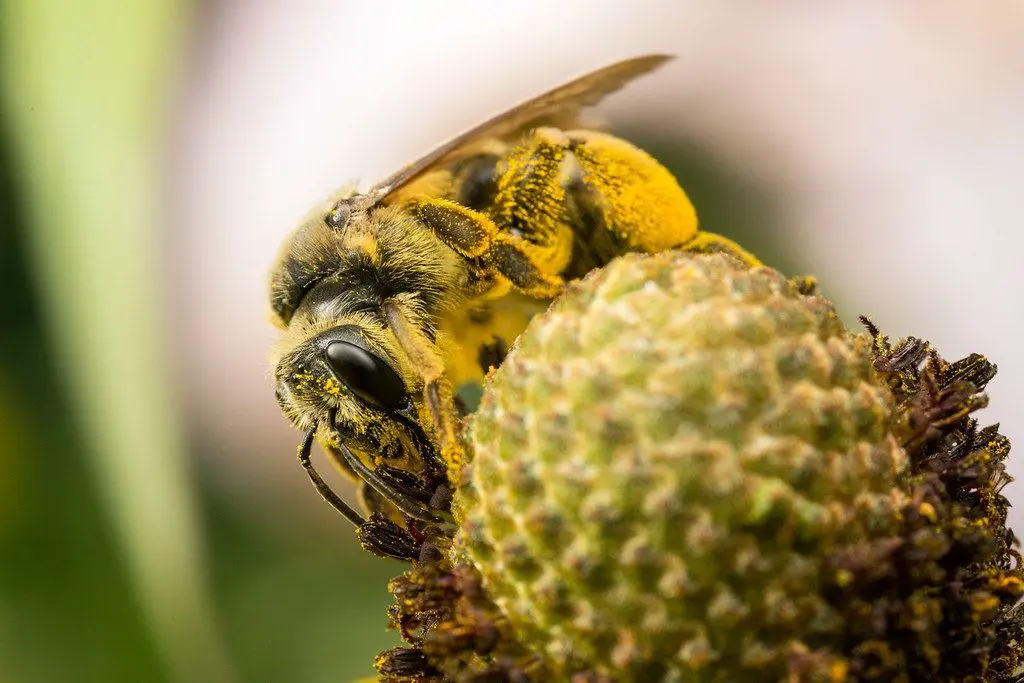
Native bees
Meet the native bees visiting your flowers
Honeybees get most of the attention, but they were brought to America from Europe. Thousands of kinds of native bees are hard at work in American gardens too.
- Most live alone. Unlike honeybees, most native bees don’t live in hives. Each female builds her own nest.
- Many nest in the ground. They dig small tunnels in bare, sunny soil. Others use hollow stems or holes in wood.
- Most rarely sting. Without a hive to defend, native bees are usually gentle and sting only if handled or trapped.
How to help native bees
-
Leave some bare soil. A sunny patch without mulch gives ground-nesting bees a place to dig.
-
Leave hollow stems. Cut old stems to different heights in spring and let them stand. Bees may nest inside.
-
Avoid pesticides. Many garden chemicals can harm bees, even when they are not the target.
Host and nectar plants
Feed the caterpillars, not just the butterflies
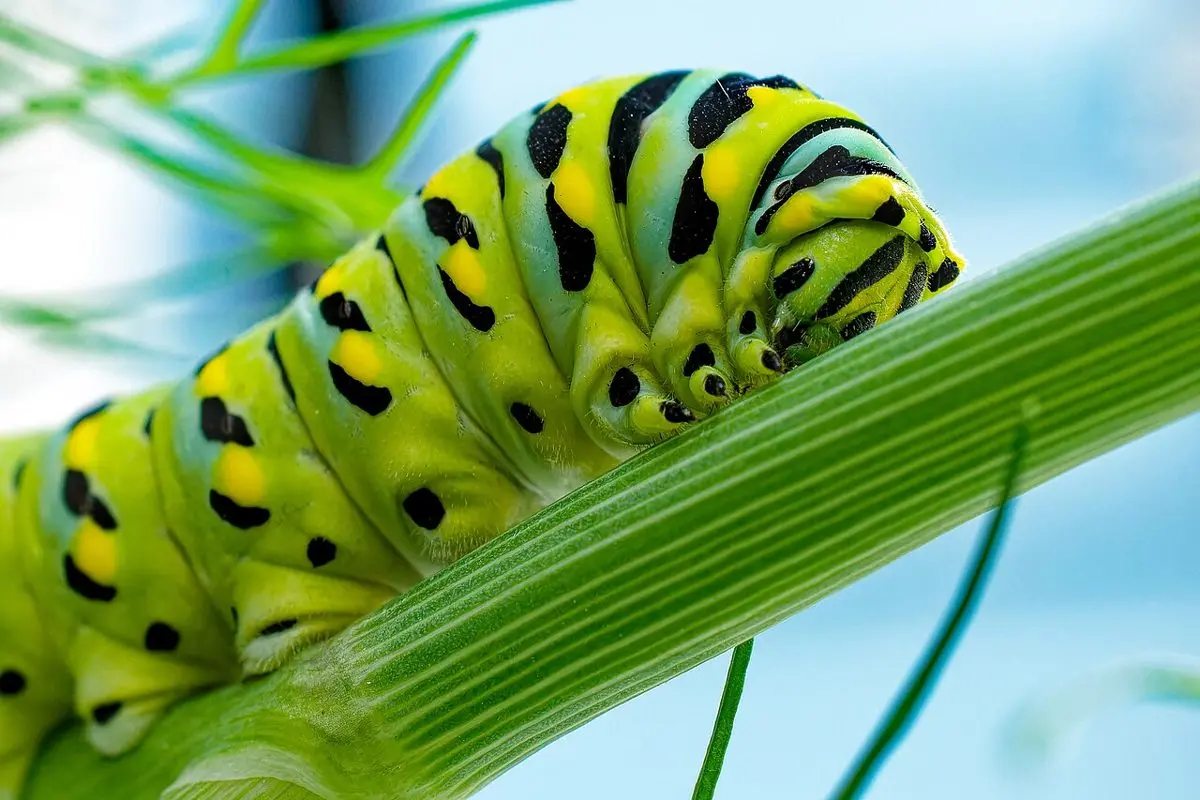
Host plants
Plants where butterflies lay their eggs and caterpillars eat the leaves. Many caterpillars can eat only one plant or plant family, so without their host plant, the butterfly can’t raise its young.
Nectar plants
Flowers that give adult butterflies and bees the sugary nectar they need for energy. Adults are less picky and visit many kinds of flowers.
| Butterfly | Caterpillar host plants | Good to know |
|---|---|---|
| Monarch | Milkweeds | Choose a milkweed native to your region. |
| Black swallowtail | Dill, parsley, fennel, golden Alexanders | Plant a little extra dill or parsley to share with the caterpillars. |
| Eastern tiger swallowtail | Wild black cherry, tulip tree | Large native trees can be host plants too. |
| Pipevine swallowtail | Native pipevines | Check that the pipevine you buy is native to your area. |
| Painted lady | Thistles, mallows | Native thistles feed caterpillars without the spread of weedy kinds. |
Pollinator plants by region
Native flowers that bloom from spring to fall
Choose plants that flower at different times so pollinators find food all season. Pick your region to see a few good starting points.
Northeast
Southeast
Midwest
Southwest
West
-
Spring
Wild columbine
Red and yellow nodding flowers for bumble bees and hummingbirds.
-
Summer
Wild bergamot
Lavender flower heads busy with bees, butterflies and clearwing moths.
-
Late summer
Joe-Pye weed
Tall, dusty-pink flower clusters that swallowtails love.
-
Fall
New England aster
Purple daisies that fuel bees and migrating monarchs.
-
Spring
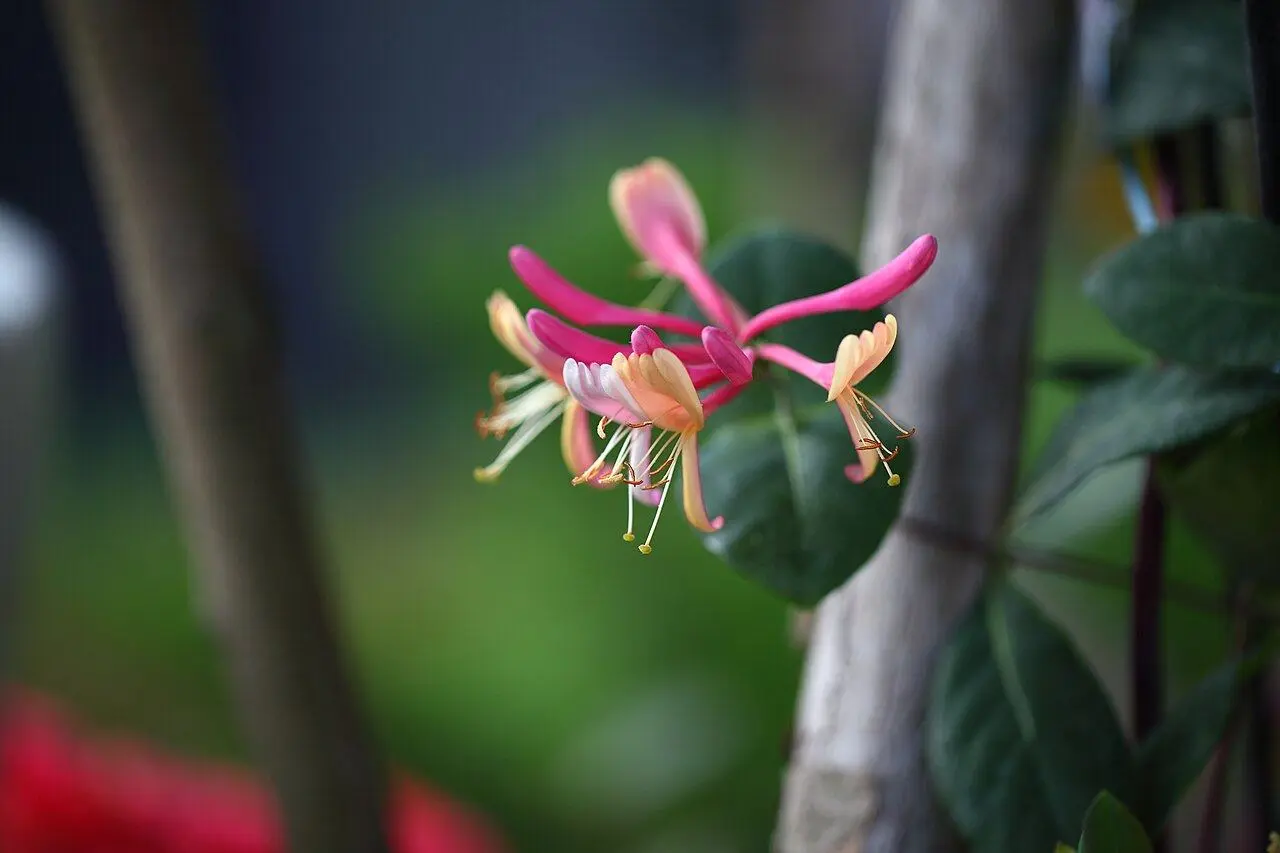
Coral honeysuckle
A native vine with red tubular flowers for hummingbirds and butterflies.
-
Summer
Butterfly weed
Bright orange flowers. It is also a milkweed, so it hosts monarch caterpillars.
-
Summer
Purple passionflower
Showy flowers for bees, and leaves for gulf fritillary caterpillars.
-
Late summer
Blazing star
Purple flower spikes that draw butterflies and bees.
-
Spring
Golden Alexanders
Yellow flower clusters for small bees, and a host plant for black swallowtails.
-
Summer
Purple coneflower
A favorite of native bees and butterflies. Leave the seed heads for finches.
-
Summer
Swamp milkweed
Pink flowers for many pollinators, and leaves for monarch caterpillars.
-
Fall
Smooth blue aster
Late blue flowers for bees and passing monarchs.
-
Spring
Parry’s penstemon
Pink tubular flowers for hummingbirds and native bees.
-
Spring
Antelope horns milkweed
A desert milkweed that hosts monarch caterpillars.
-
Summer
Desert willow
Orchid-like flowers on a small tree, visited by bees and hummingbirds.
-
Spring to fall
Desert marigold
Cheerful yellow daisies that bloom for months.
-
Spring
Ceanothus
Clouds of blue flowers buzzing with native bees.
-
Spring
Lupines
Flower spikes for bumble bees, and host plants for some blue butterflies.
-
Summer
Showy milkweed
Pink star-shaped flowers, and leaves for western monarch caterpillars.
-
Late summer to fall
California goldenrod
Golden plumes that feed bees and butterflies late in the year.
Bloom times shift with climate and elevation. Check with your state native plant society or Cooperative Extension office to confirm a plant suits your area.
Native vs invasive
Skip the butterfly bush, try these instead
Butterfly bush is sold as a pollinator plant, and adult butterflies do visit it. But it can spread into natural areas, and native caterpillars don’t eat its leaves.
Avoid
Butterfly bush
A shrub from Asia that is considered invasive in several states. It offers nectar to adults but nothing for their caterpillars.
-
Try
Buttonbush
A native shrub with round white flower heads in summer. Great for wet or low spots, and busy with bees and butterflies.
-
Try
New Jersey tea
A small native shrub with fluffy white flowers. It handles dry, sunny spots and hosts the caterpillars of some small butterflies.
Garden checklist
Six simple ways to help pollinators
You don’t need a big yard. A few native plants and some relaxed tidying make a real difference.
-
Plant in clumps
Groups of the same flower are easier for pollinators to find than single plants scattered around.
-
Bloom from spring to fall
Choose plants that flower at different times so there is always something to eat.
-
Offer a puddling dish
Fill a shallow dish with damp sand or soil. Butterflies sip moisture and minerals from it.
-
Skip pesticides
Many pesticides harm bees and caterpillars. A few chewed leaves are a sign your garden is working.
-
Leave the leaves
Many butterflies, moths and bumble bee queens spend winter in fallen leaves.
-
Leave stems over winter
Hollow and pithy stems give native bees a place to nest and shelter.
Gear guide
What to look for when you shop
A few simple supplies can help you plant for pollinators and watch them up close. These are the features that matter, whatever brand you choose.
-
Native seed mixes
- Lists every species on the label, ideally by scientific name.
- Contains plants native to your region, not just “wildflowers.”
- Includes flowers that bloom in spring, summer and fall.
-
Bee houses
- Nesting tubes or blocks you can remove, replace or clean each year.
- Holes closed at the back, with smooth inside walls.
- A roof that keeps rain out. Hang it facing the morning sun.
-
Close-focus binoculars
- Focuses on things just a few feet away, so you can watch insects without disturbing them.
- Light and easy to carry around the garden.
- Works for birds too, so one pair covers both.
Questions
Pollinator questions
Why aren’t butterflies visiting my garden?
Butterflies look for sun, nectar flowers and host plants for their caterpillars. Try planting native flowers in sunny clumps, adding a host plant such as milkweed or dill, and skipping pesticides. New gardens can take a season or two to be discovered.
Are bees in my garden dangerous?
Bees busy on flowers are focused on food and rarely sting. Most native bees live alone and have no hive to defend. Give them space and avoid swatting. If you or someone in your home is allergic to stings, talk with a doctor about how to stay safe outdoors.
Should I buy a butterfly bush?
We suggest native shrubs instead. Butterfly bush can spread into natural areas and doesn’t feed caterpillars. Buttonbush and New Jersey tea are good native choices. See host and nectar plants above for why caterpillar food matters.
Is milkweed safe around pets?
Milkweed is toxic to pets if eaten. Plant it in a spot your pets don’t use, and watch dogs that like to chew plants. If you think your pet has eaten milkweed, call your veterinarian.
When do monarchs pass through?
Monarchs migrate south in late summer to fall. The exact timing depends on where you live, so keep late-blooming nectar flowers like asters and goldenrods in your garden to feed them along the way.