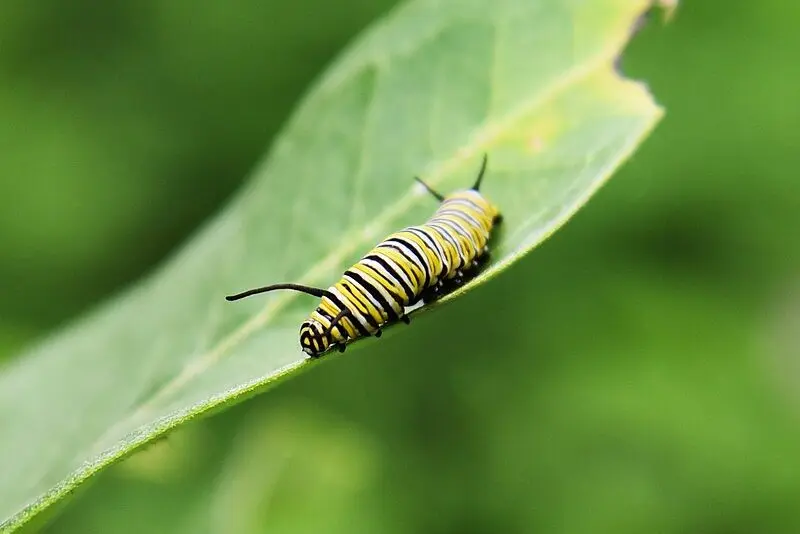
Finding your first monarch caterpillar is a little like finding money in a coat pocket. You go out to look at the milkweed and there it is: a fat, striped caterpillar chewing through a leaf as if it owns the place. Which, for the next two weeks, it more or less does.
Monarchs (Danaus plexippus) need one thing from us more than anything else, and that’s milkweed. Here’s what happens on those plants, and how to make your yard a place where the whole cycle can play out.
From Egg to Butterfly in About a Month
- Egg (3 to 5 days). A female lays a single cream-colored egg, about the size of a pinhead, usually on the underside of a milkweed leaf. She’ll spread hundreds of them across many plants.
- Caterpillar (about 10 to 14 days). The tiny larva eats its eggshell first, then starts on the milkweed. It grows through five stages, shedding its skin each time, and ends up roughly two inches long.
- Chrysalis (about 8 to 14 days). The caterpillar wanders off, often a surprising distance from the plant, hangs upside down in a J shape, and turns into a jade-green chrysalis dotted with gold. A day before the butterfly comes out, the case goes clear and you can see the orange and black wings folded inside.
- Butterfly. The adult pumps fluid into its crumpled wings and hangs while they dry, usually for a couple of hours, before its first flight.
Warm weather speeds everything up. Cool spells slow it down.
Why It Has to Be Milkweed
Adult monarchs drink nectar from all kinds of flowers, but the caterpillars can only eat milkweed. The plant’s milky sap contains toxins that the caterpillars store in their bodies, and those toxins stay with the adult butterfly. Birds that try to eat one usually get sick and learn to leave that bright orange pattern alone.
Pick a milkweed that’s native to your area. A few dependable choices:
- Common milkweed (Asclepias syriaca) for sunny, roomy spots. It spreads by roots, so give it space.
- Swamp milkweed (Asclepias incarnata) for wetter soil. Pink flowers, and it stays in a clump.
- Butterfly weed (Asclepias tuberosa) for dry, sunny beds. Bright orange, compact and very tough once established.
Be careful with tropical milkweed (Asclepias curassavica), the one with red and yellow flowers sold at many garden centers. In warm southern areas it can stay green all winter, which can encourage monarchs to breed when they should be migrating and lets a harmful parasite build up on the leaves. If you already have it, cutting it back to the ground in fall and winter helps.
Should You Bring Caterpillars Inside?
Lots of people raise a few monarchs indoors, and it’s a wonderful thing to do with kids. Keep it small, though. Raising large numbers in one container spreads disease, and some research suggests indoor-raised butterflies may be less prepared for migration than wild ones. If you do bring a few in, give them fresh milkweed every day, clean out the droppings (called frass) daily, and release the adults where you found them.
Honestly, the most helpful thing for monarchs is simply more milkweed outdoors. Most caterpillars won’t survive to adulthood no matter what. Spiders, wasps and ants eat a lot of them. That’s normal. A yard with plenty of milkweed spread around gives the odds a fair shake.
Small Things That Make a Big Difference
- Plant milkweed in groups. Several plants together are easier for females to find than one lonely stem.
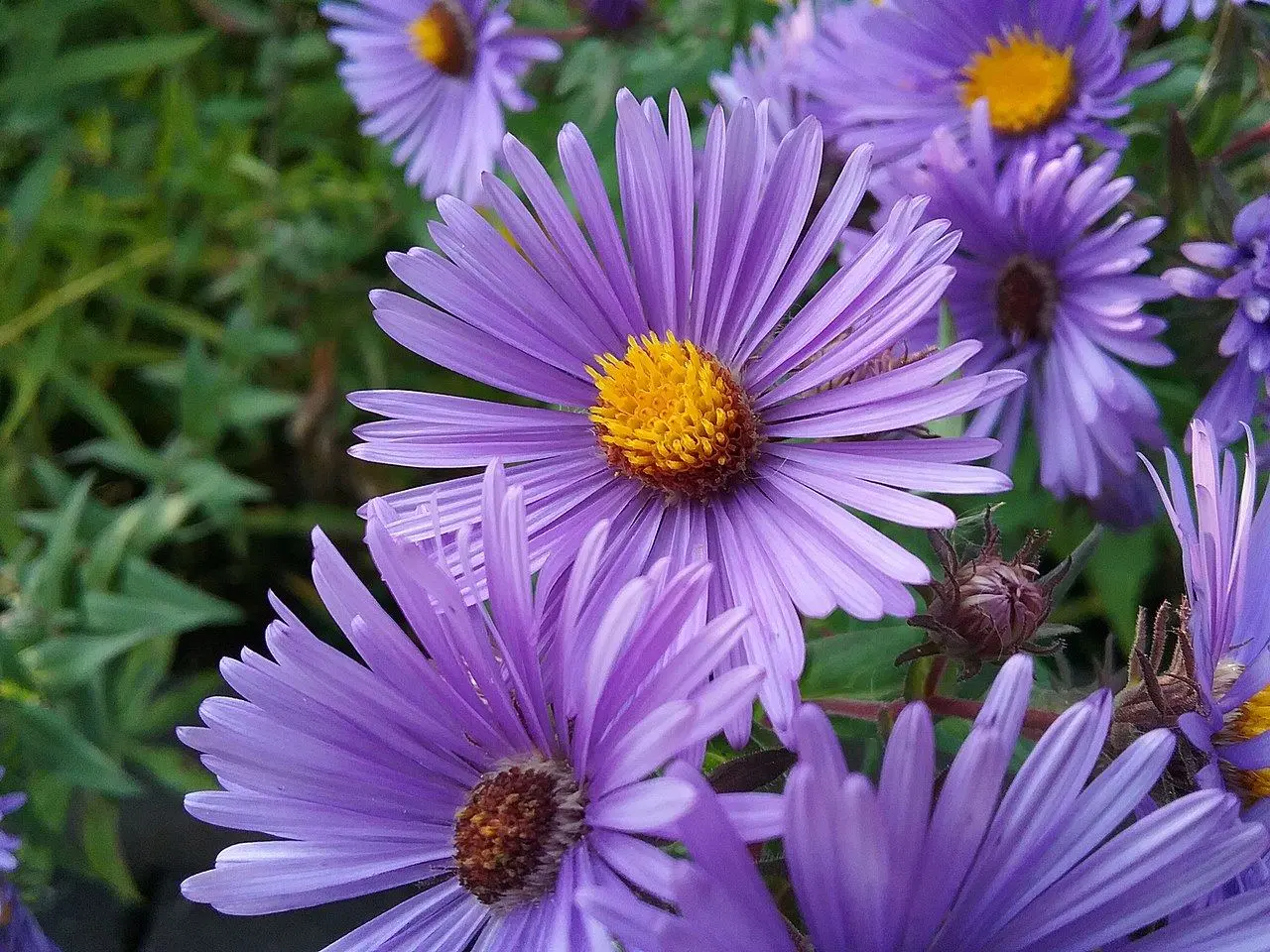
- Add late-season nectar. Fall migrants need fuel. Asters, goldenrods and blazing stars are perfect.
- Skip the pesticides. Even “natural” sprays like neem oil or Bt can kill caterpillars. Ask nurseries whether their plants were treated with systemic insecticides.
- Don’t panic about aphids. Bright yellow oleander aphids often cover milkweed. They look bad but rarely hurt the plant much, and ladybugs will show up to eat them.
Plant the milkweed, then check it once in a while. Turn over a few leaves. Sooner or later you’ll find a tiny egg or a half-chewed leaf, and you’ll know your garden just became part of one of the most remarkable journeys in the insect world.