Backyard Birds
Get to know the birds at your feeder and in your trees. Learn how to recognize them and what they like to eat, then find simple ways to give them food, water, shelter and a safe place to raise their young.
Seen year-round in much of the US
On this page
-
Common birds and how to tell them apart
-
Which foods bring which birds
-
Birdbaths, cover and nest boxes
-
Windows, clean feeders and pets
-
How to help birds all year
Identification guide
Common backyard birds
-
Seed eater
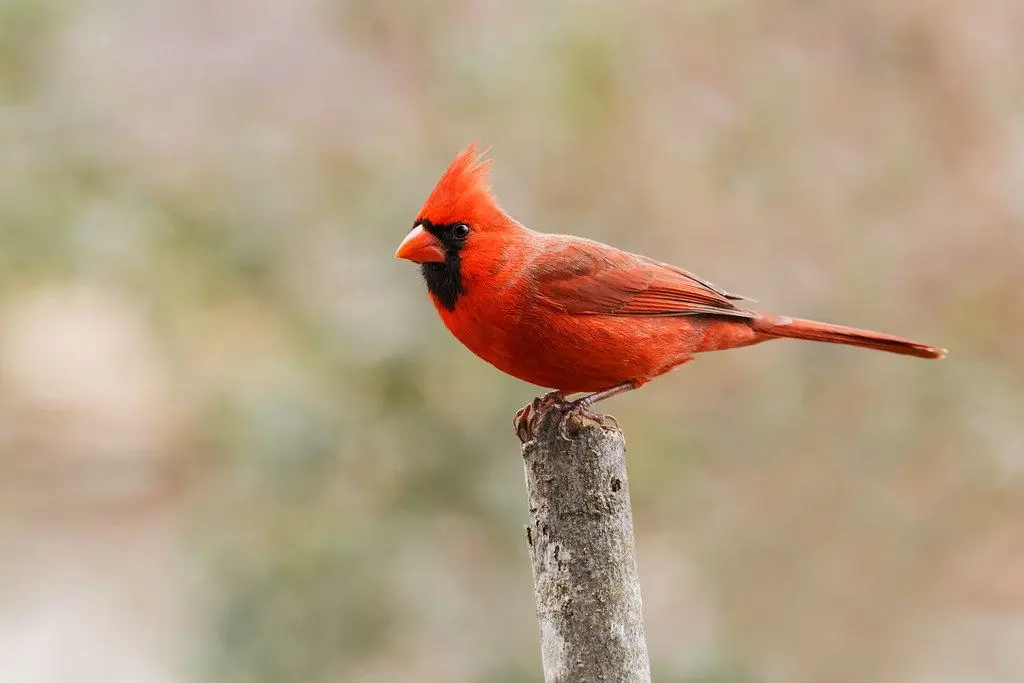
Northern cardinal
Female cardinals sing as well as males, which is unusual among North American songbirds. A pair will often sing back and forth to each other.
-
Look for
-
A pointed crest and thick orange-red bill. Males are bright red. Females are warm tan with red in the wings and tail.
-
Feeder food
-
Black-oil sunflower, safflower
-
-
Seed eater
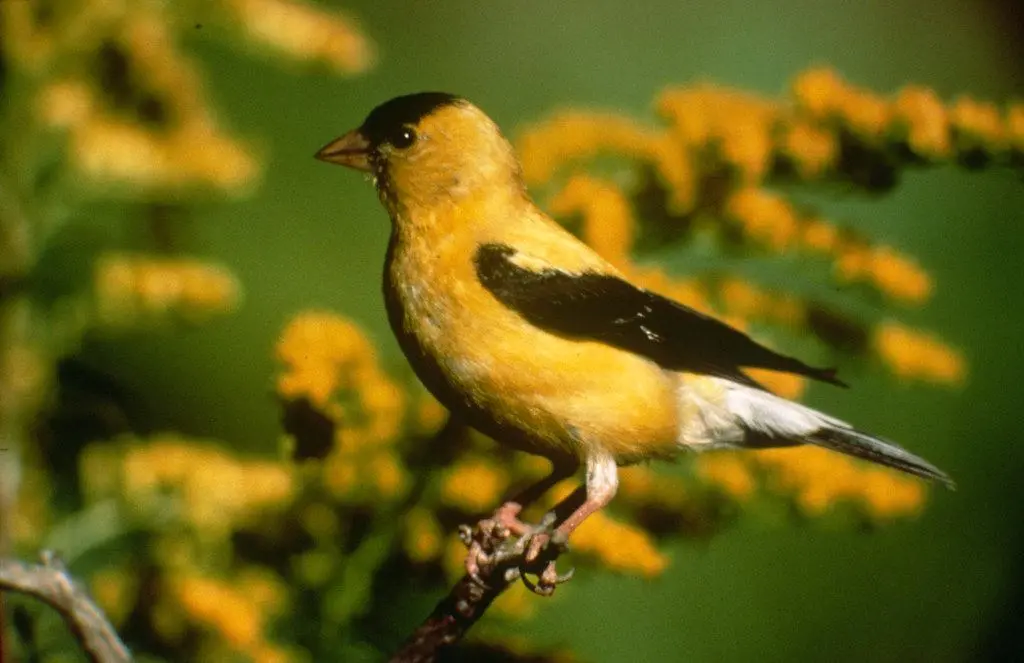
American goldfinch
Goldfinches nest later than most songbirds, often in mid to late summer, when thistles and other plants have gone to seed.
-
Look for
-
Males are bright yellow with a black cap in summer. In winter, both sexes turn a duller olive-brown.
-
Feeder food
-
Nyjer, sunflower chips
-
-
Seed eater
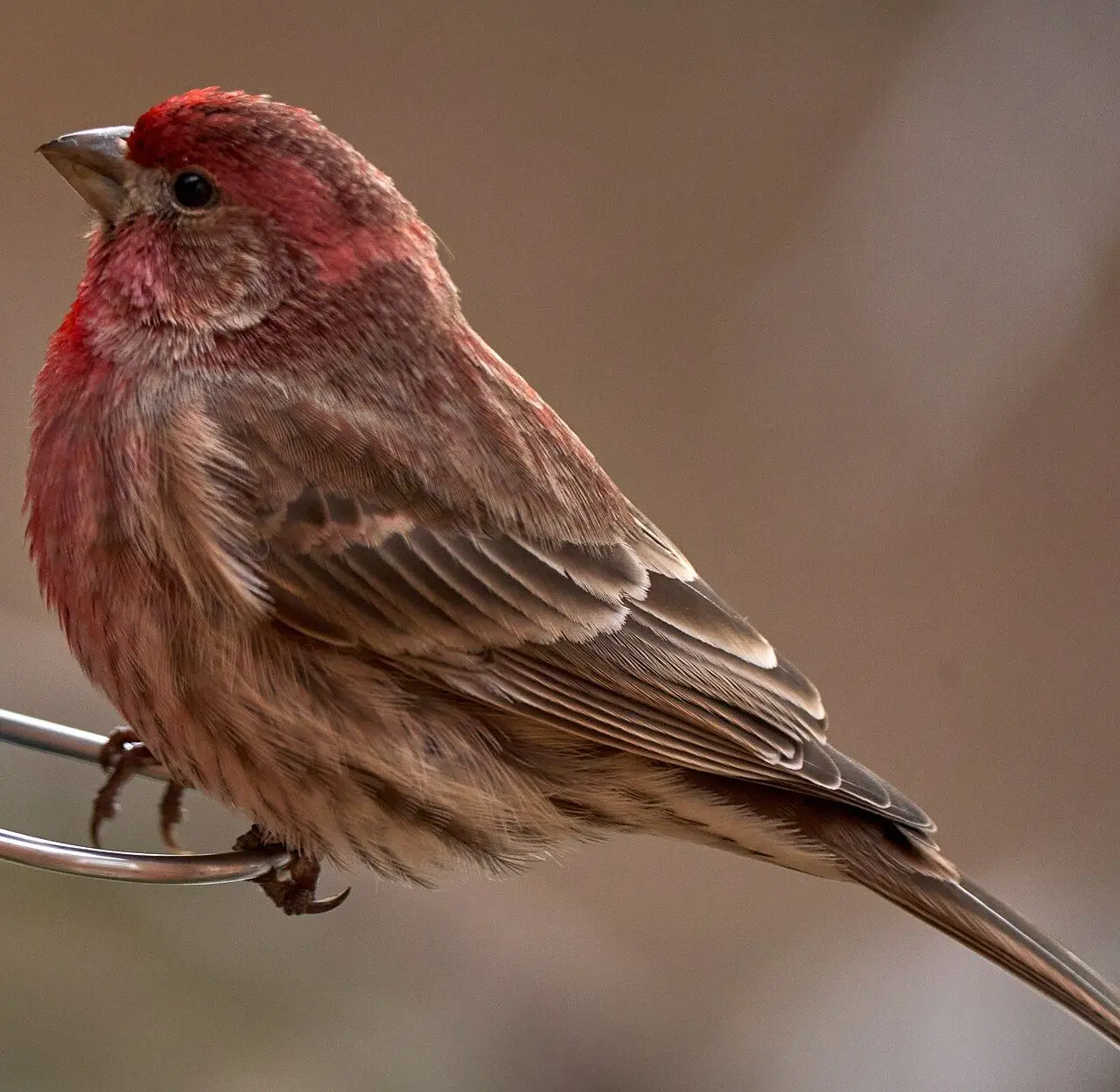
House finch
A male’s red color comes from pigments in the food he eats, so some males look more orange or even yellow.
-
Look for
-
Brown streaks on the body. Males have a red head and breast.
-
Feeder food
-
Black-oil sunflower, nyjer
-
-
Suet & insects
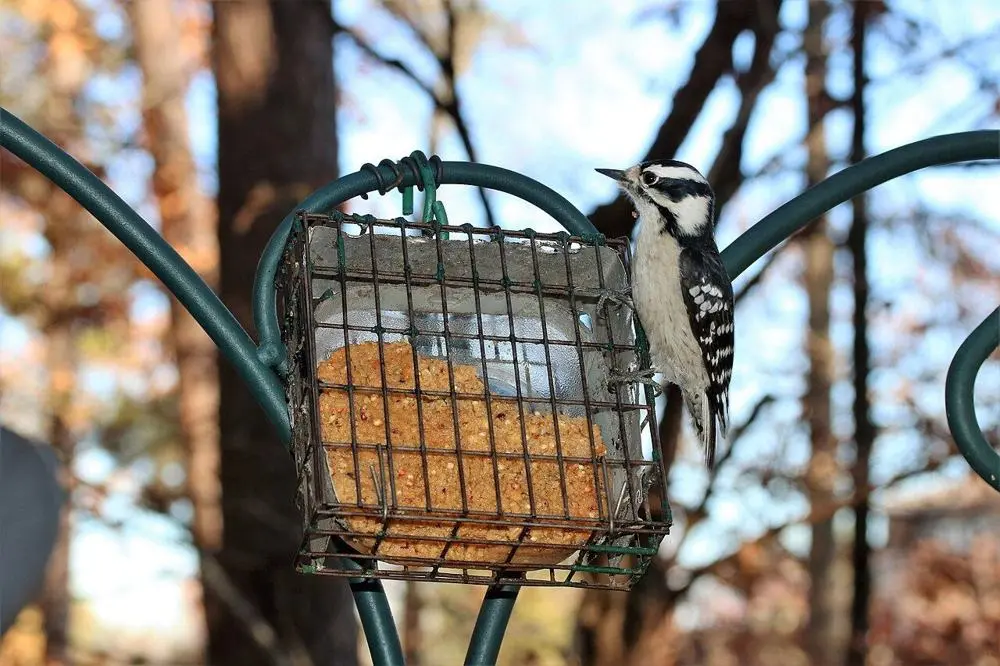
Downy woodpecker
The smallest woodpecker in North America. In winter, it often travels with chickadees and titmice, searching bark for hidden insects.
-
Look for
-
Black and white, with a white stripe down the back and a short bill. Males have a small red patch on the back of the head.
-
Feeder food
-
Suet, sunflower, unsalted peanuts
-
-
Suet & insects
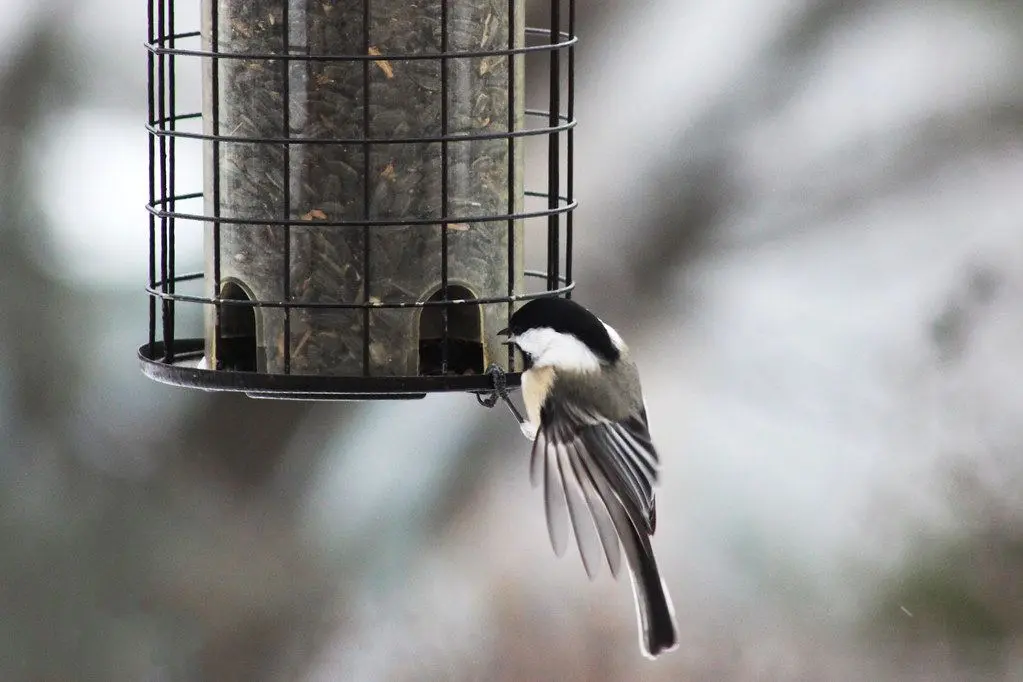
Black-capped chickadee
Chickadees hide seeds in many places and remember where they stored them. Their “chick-a-dee-dee-dee” call gets more “dees” when they spot a threat.
-
Look for
-
A black cap and bib with white cheeks. In the Southeast, the very similar Carolina chickadee takes its place.
-
Feeder food
-
Sunflower, suet, unsalted peanuts
-
-
Seed eater
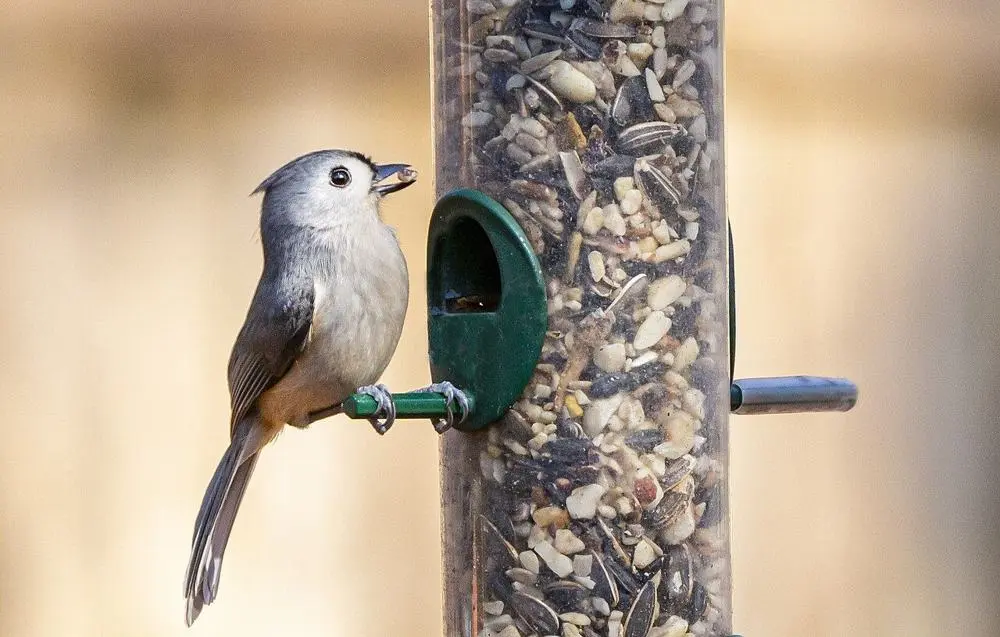
Tufted titmouse
Titmice usually take one seed at a time, then fly off to crack it open or hide it for later.
-
Look for
-
Soft gray above and pale below, with a pointed crest, large dark eyes and rusty sides.
-
Feeder food
-
Sunflower, unsalted peanuts, suet
-
-
Suet & insects
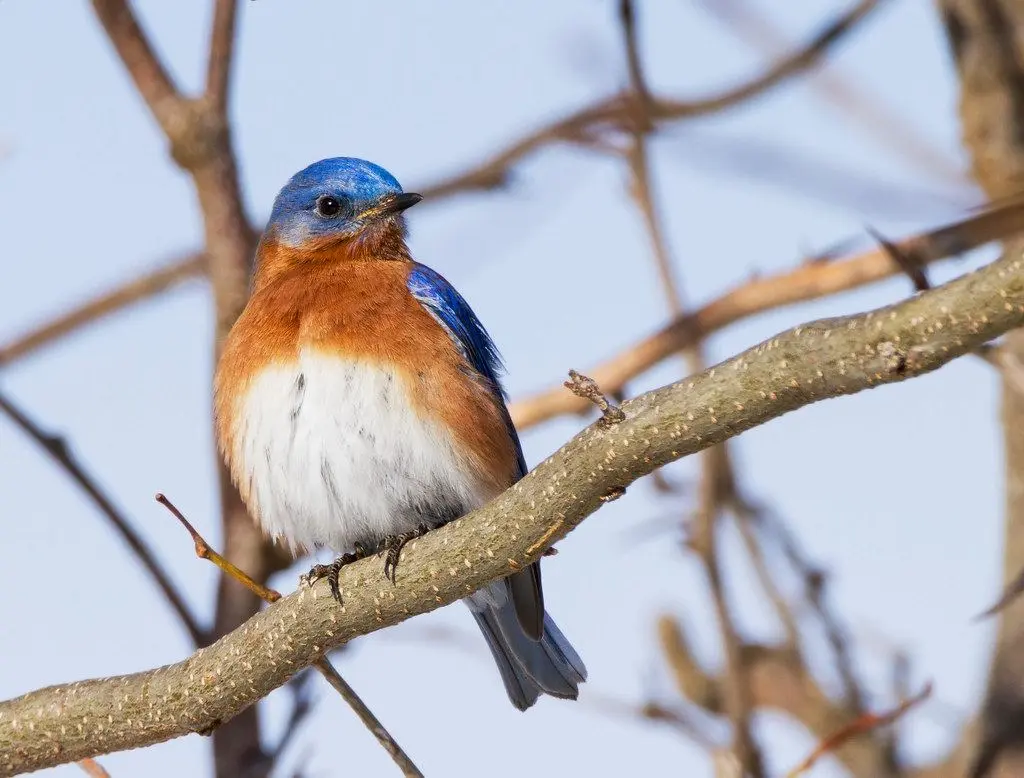
Eastern bluebird
Bluebirds rarely eat seed. They watch from low perches and drop down to catch insects, then switch to berries in winter. A nest box in an open, grassy area is one of the best ways to invite them.
-
Look for
-
Males are bright blue above with a rusty orange breast. Females are grayer, with blue in the wings and tail.
-
Feeder food
-
Mealworms, berries
-
-
Seed eater
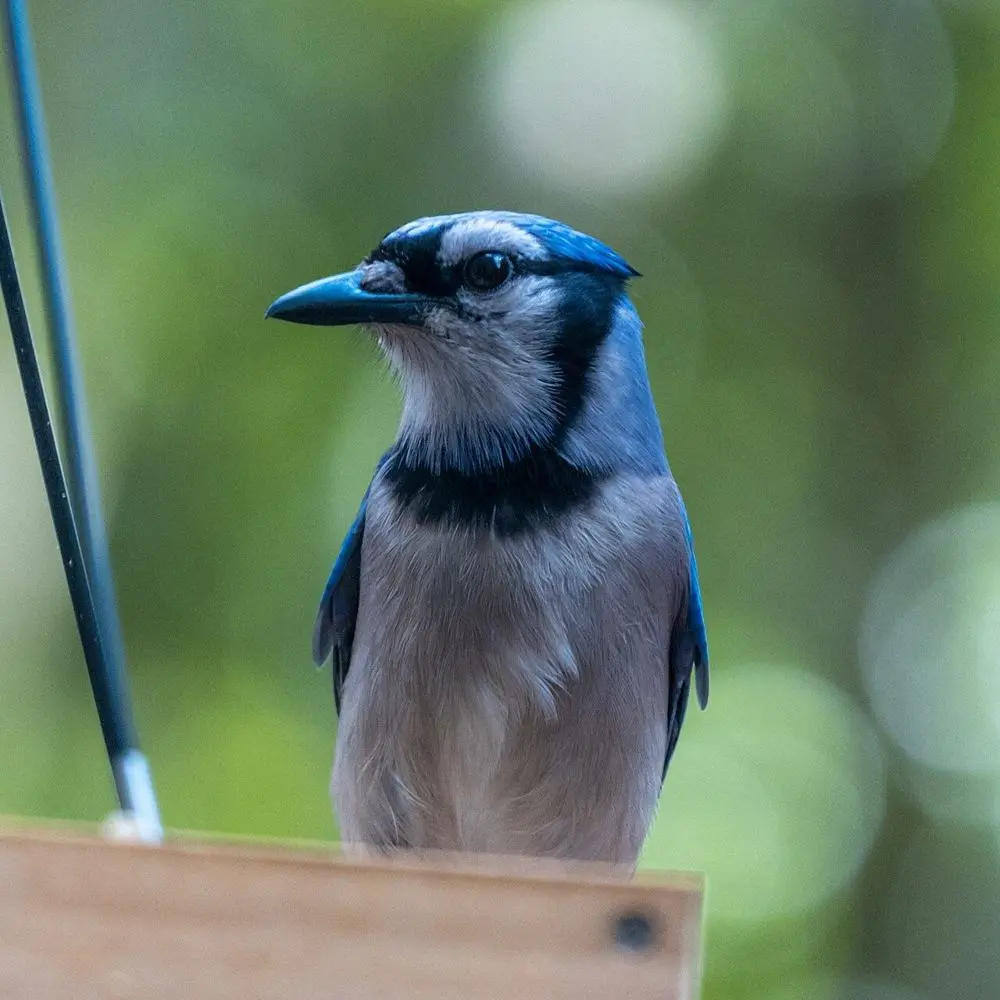
Blue jay
Blue jays bury acorns to eat later. The ones they forget can grow into new oak trees.
-
Look for
-
Blue above and white below, with a crest and a black necklace. Loud, varied calls.
-
Feeder food
-
Unsalted peanuts, sunflower
-
-
Seed eater
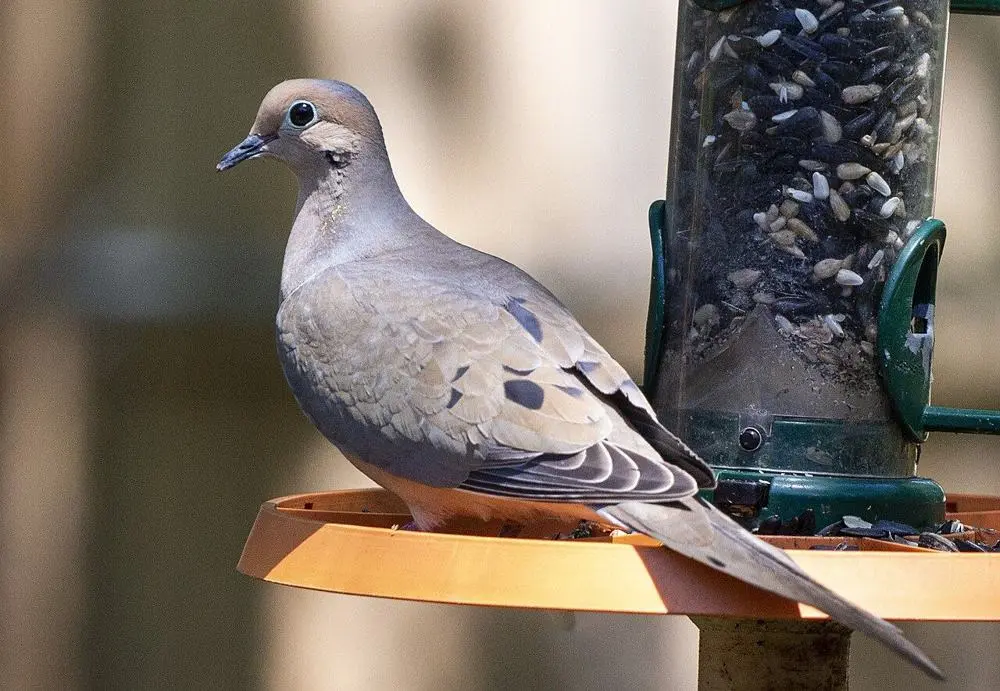
Mourning dove
Doves fill a pouch in the throat, called the crop, with seeds, then fly to a safe perch to digest them. Their soft cooing is often mistaken for an owl.
-
Look for
-
Soft gray-brown with a small head, black spots on the wings and a long, pointed tail.
-
Feeder food
-
Millet, sunflower, on the ground or a tray
-
-
Nectar & fruit
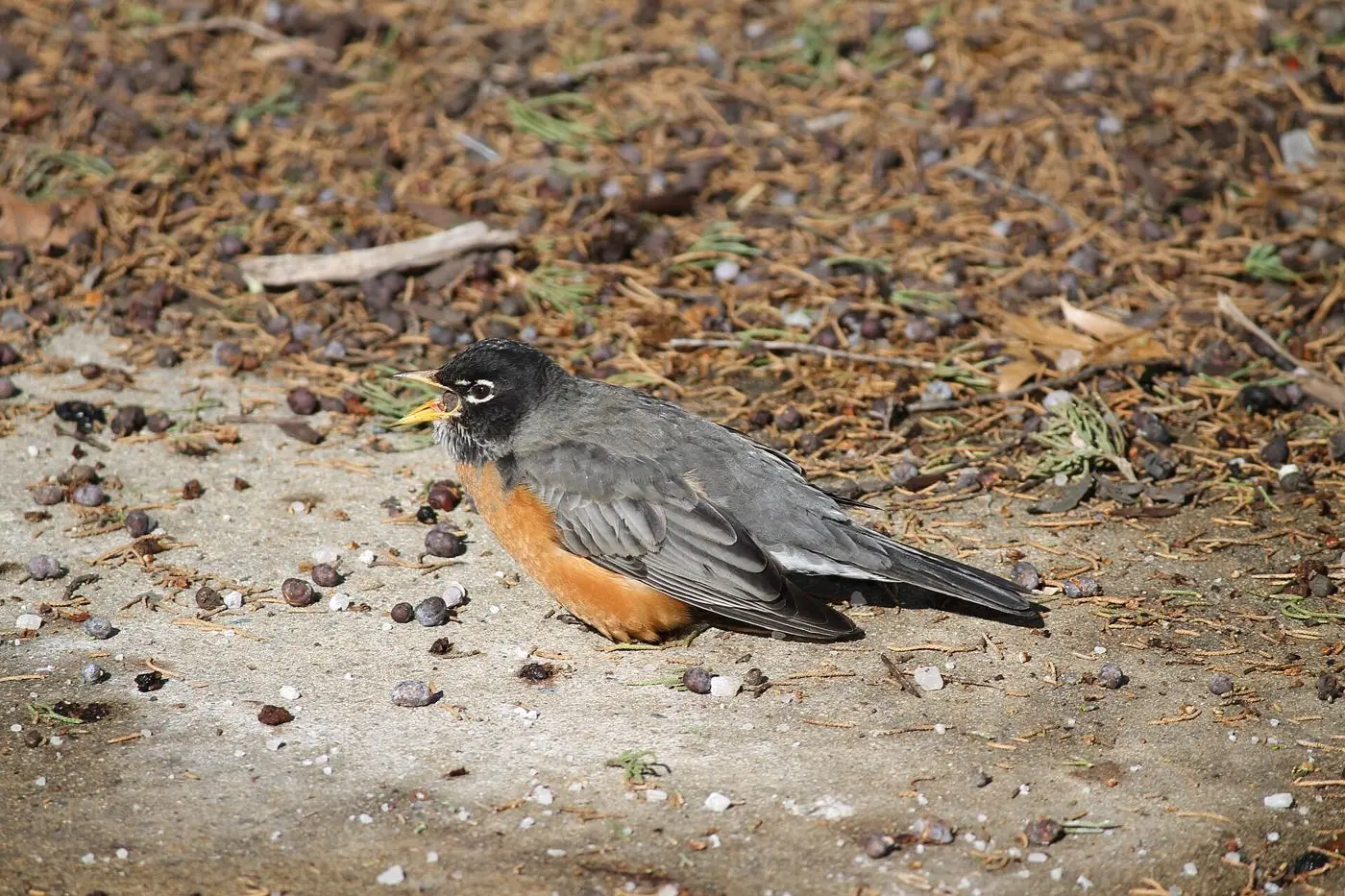
American robin
Robins hunt earthworms by sight, tilting their heads to look closely at the ground. In fall and winter they eat mostly berries.
-
Look for
-
A gray-brown back, orange breast and yellow bill.
-
Feeder food
-
Rarely visits seed feeders. Try berry shrubs and fresh water.
-
-
Nectar & fruit
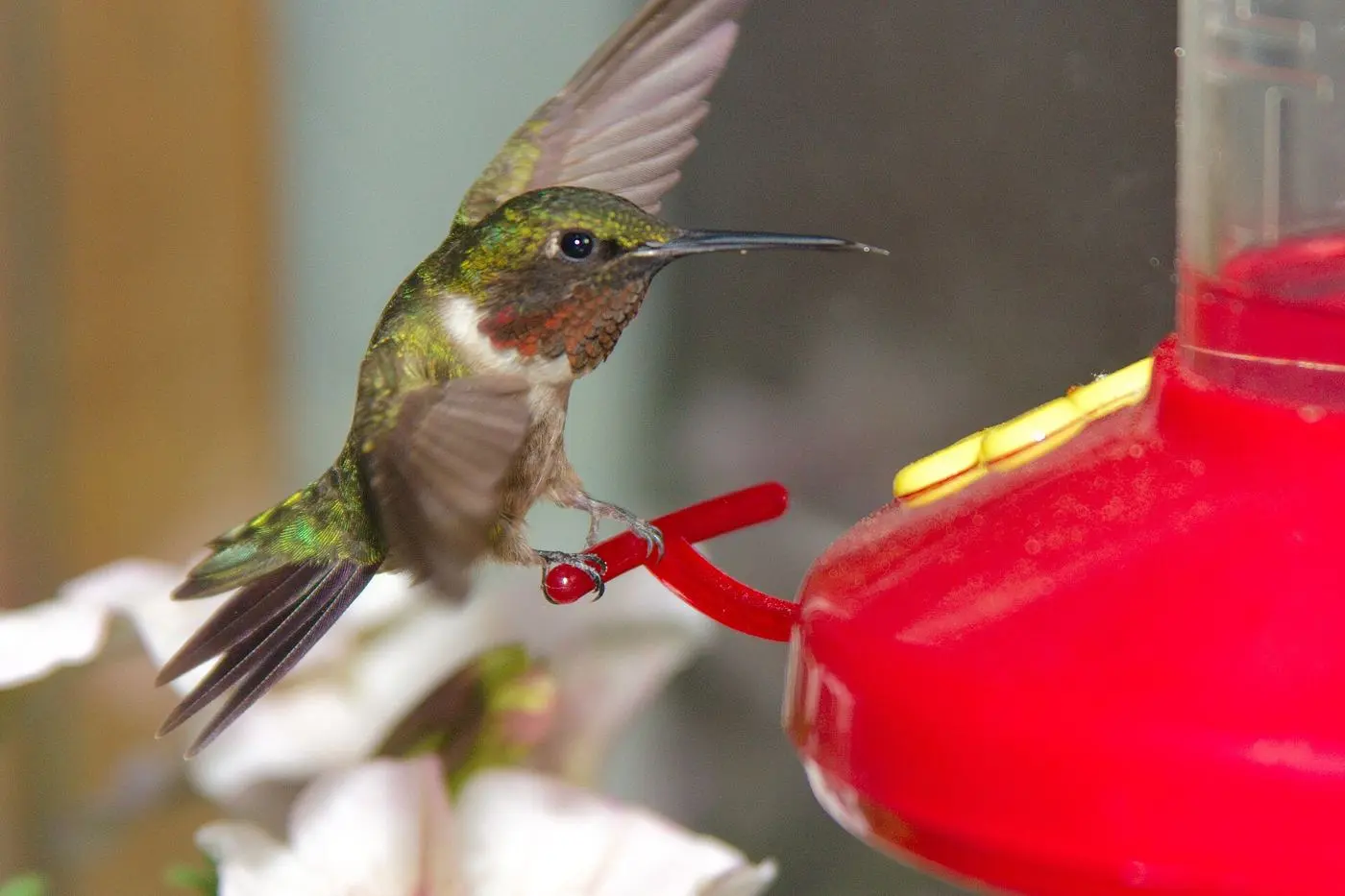
Ruby-throated hummingbird
Hummingbirds don’t live on nectar alone. They also catch small insects and spiders, which give their chicks the protein they need to grow.
-
Look for
-
Tiny and metallic green. A male’s red throat can look black in the shade.
-
Feeder food
-
Sugar-water nectar, nectar-rich native flowers
-
Bird ranges vary by region. Many of the birds above are most common in the eastern and central US. Western yards have their own close relatives, such as Steller’s jays and western bluebirds.
Feeder food guide
Which foods bring which birds
If you’re starting with one feeder, black-oil sunflower seed is a good first choice. Many backyard birds eat it.
| Food | Birds it attracts | Tip |
|---|---|---|
| Black-oil sunflower | Cardinals, chickadees, titmice, finches, jays | Thin shells and plenty of fat make it popular with many species. |
| Nyjer seed | Goldfinches, house finches | Use a feeder with small ports or fine mesh, and keep the seed dry so it doesn’t spoil. |
| Suet | Woodpeckers, chickadees, titmice | Best in cool weather. Plain suet can soften or go rancid in summer heat. |
| Peanuts | Jays, woodpeckers, titmice | Offer only unsalted, unflavored peanuts, and throw out any that look moldy. |
| White millet | Mourning doves, sparrows | Scatter small amounts on a tray or the ground, only as much as birds finish in a day. |
| Sugar-water nectar | Hummingbirds | Mix 1 part white sugar to 4 parts water. Skip honey and red dye, and change it every few days, more often in hot weather. |
| Mealworms & fruit | Bluebirds, robins | Offer in a shallow dish. Native berry shrubs provide the same foods naturally. |
Attract more birds
Food, water, shelter and a place to nest
A feeder brings birds in for a visit. Offer all four basics and many will stay, nest and come back year after year.
-
Food
Native plants come first. Their seeds and berries feed birds, and the insects they host are what most songbirds feed their chicks. Feeders add to what your plants offer.
-
Water
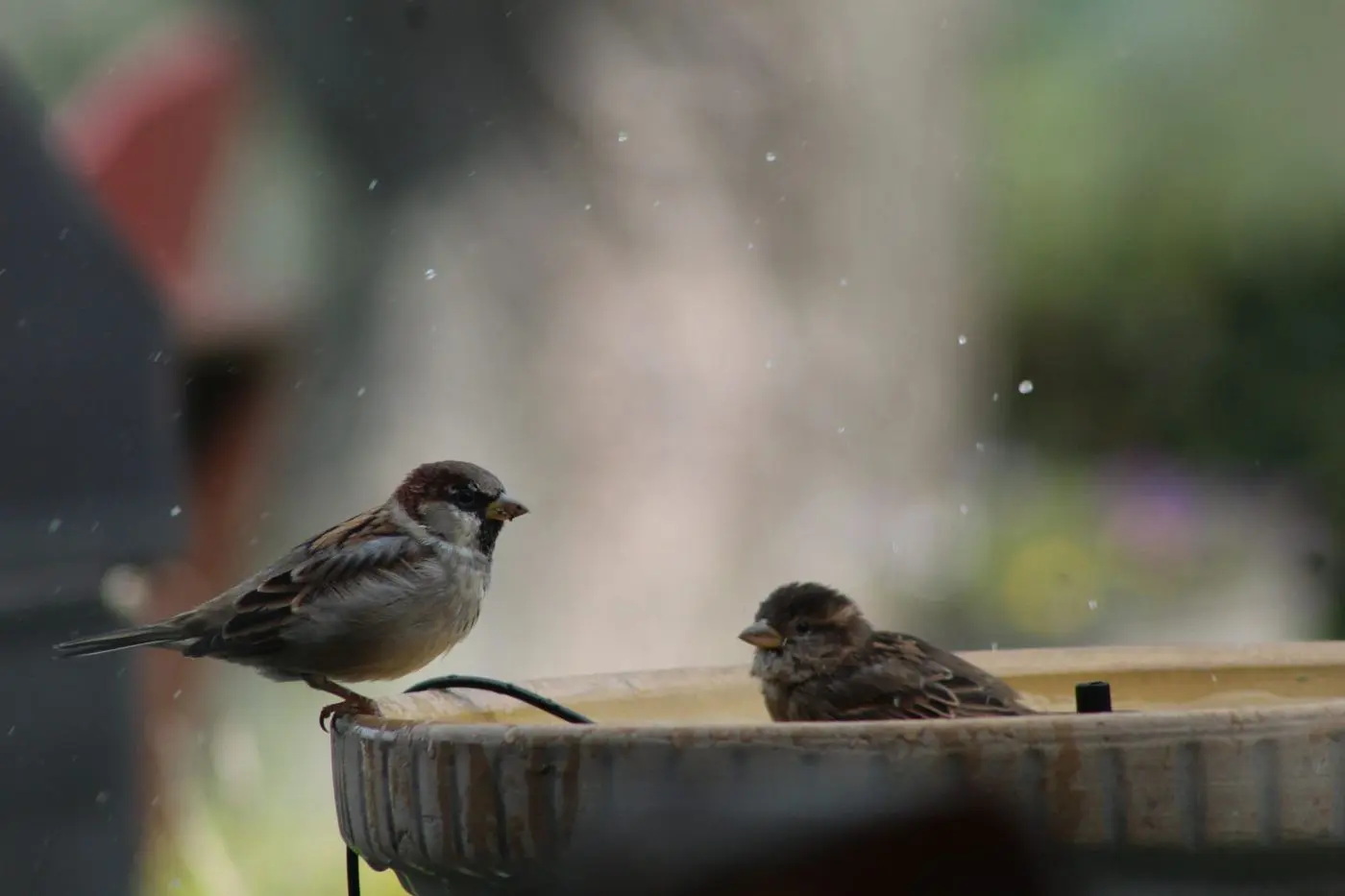
Birds need water to drink and bathe all year. A shallow birdbath, about 1 to 2 inches deep, is easiest for small birds. Refresh the water every few days.
-
Shelter
Layers of trees, shrubs and dense evergreens give birds places to hide from predators and rest out of the wind. A brush pile in a back corner helps too.
-
Places to nest
Many birds nest in shrubs and trees. Others, such as bluebirds, chickadees and wrens, use tree cavities or nest boxes.
Putting up a bluebird nest box
- Choose a box with an entrance hole about 1½ inches wide.
- Mount it on a pole about 5 feet high, in an open, grassy area.
- Add a predator guard below the box to keep out snakes and raccoons.
- Have it up by late winter, and clean out old nests after the young have left.
Bird-safe yard
Small changes that keep birds safer
When you invite birds into your yard, a few easy habits help keep them healthy and out of harm’s way.
-
Make windows visible
Place feeders within 3 feet of a window or more than 30 feet away. Closely spaced decals, screens or patterns on the outside of the glass also help.
-
Keep feeders clean
Wash feeders every couple of weeks with hot, soapy water or a mild bleach solution. Rinse well and let them dry before refilling.
-
Rake up old seed
Spilled seed and hulls under feeders can grow mold. Clear them away regularly.
-
Keep cats indoors
Even well-fed pet cats hunt birds. Keeping them inside protects birds and your cat.
-
Go easy on pesticides
Most songbirds raise their young on insects. Fewer chemicals means more food for nestlings.
-
Pause if birds look sick
If you see sick birds at your feeder, take it down for a couple of weeks and clean it well before you put it back.
Through the year
How to help birds in every season
-
Migrants return. Hummingbirds and many songbirds arrive from the south. Timing depends on where you live.
-
Nest boxes ready. Clean out boxes and put up new ones before nesting starts.
-
Nesting material. Leave some twigs, dry grass and dead leaves where birds can find them.
-
Busy parents. Most songbirds feed their chicks insects, so native plants that host insects matter most now.
-
Fresh water. Birdbaths dry out and warm up fast in summer. Refill and rinse them often.
-
Fledglings on the ground. Young birds that are hopping but not yet flying are usually still being fed by their parents.
-
Leave the seed heads. Coneflowers, sunflowers and goldenrod left standing feed finches and sparrows.
-
Migration south. Many birds pass through, stopping to rest and refuel in yards with food and cover.
-
Plant for next year. Fall is a good time to plant native trees and shrubs in many regions.
-
High-energy food. Sunflower seed, suet and unsalted peanuts help birds stay warm through cold nights.
-
Open water. When puddles freeze, a heated birdbath can be one of the few places birds can drink.
-
Shelter from the cold. Evergreens and brush piles give birds a place to roost out of the wind.
Gear guide
What to look for when you shop
Good bird gear doesn’t have to be expensive. These are the features that matter, whatever brand you choose.
-
Bird feeders
- Matches the birds you want: tube feeders for small birds, trays for doves and cardinals.
- Opens easily so you can clean it often.
- Has drainage holes so seed stays dry.
-
Birdbaths
- Shallow, about 1 to 2 inches deep, with gently sloping sides.
- A textured surface so birds have good footing.
- Easy to tip out, scrub and refill.
-
Binoculars
- Many birders start with 8x magnification, which gives a steady, wide view.
- Light enough to hold comfortably for several minutes.
- Focuses quickly, including on birds close by.
Questions
Backyard bird questions
How can I attract more birds to my backyard?
Offer the four basics: food, water, shelter and places to nest. Native plants do the most work, because they provide seeds, berries and insects. Add a feeder with black-oil sunflower seed and a shallow birdbath, and you’ll give birds a reason to visit every day.
How can I identify the birds in my yard?
Start with size and shape, then look at color patterns such as a cap, crest, wing bars or breast color. Notice how the bird behaves and where it feeds, and listen to its call. A field guide for your region helps, since the birds you see depend on where you live and the time of year.
What do backyard birds eat?
It depends on the bird. Finches and cardinals mostly eat seeds, woodpeckers and chickadees eat lots of insects, and hummingbirds drink nectar. Most songbirds feed their young insects, even if the adults eat seeds. See the feeder food guide above.
How can I make my backyard safer for birds?
Make windows more visible, keep feeders and birdbaths clean, keep cats indoors and use fewer pesticides. The bird-safe yard section above has more detail.
How can I help birds in winter and extreme weather?
Keep feeders filled with high-energy foods like sunflower seed, suet and unsalted peanuts, especially before storms. Offer unfrozen water, and give birds shelter with evergreens or a brush pile. In very hot weather, fresh, shallow water matters most.