The garden looks finished for the year. The soil is cold, the hose is put away, and the seed packet you bought back in spring is still sitting on a shelf in the garage. It feels like you missed your chance.
For many native wildflowers, you didn’t. In colder parts of the US, late fall and early winter can be good times to sow them, because many of those seeds need a winter outdoors. All you have to do is get them on the ground and let the weather take over.
Why Cold Weather Helps
Many native perennial wildflower seeds need a stretch of cold, moist conditions before they’ll sprout. It’s called cold stratification, and University of Illinois Extension explains that it keeps these seeds from germinating in the fall, so they wait for spring.
You can copy the process in a refrigerator, using damp sand or a wet paper towel in a plastic container for about five to six weeks. Sowing outdoors is simpler, though. Winter’s moisture and freeze-thaw cycles do the job for free.
When to Sow, by Region
Timing depends on where you live, and the goal is different in cold and mild climates.
- Colder northern states. Wait until it’s too cool for seeds to sprout this fall. Cornell’s New York State IPM Program suggests mid-October through December for central New York. A Michigan conservation district, Gratiot County, uses soil below 50 degrees F as its signal.
- Texas. Texas A&M advises planting in September, October or early November, and earlier the farther north you are. Many Texas wildflowers establish before winter, so this is a different approach from dormant sowing. By November, that window is closing.
- The Southeast. University of Georgia Extension calls September through mid-October ideal for fall planting in Georgia. If you’ve missed that, ask your county office whether to sow now or wait.
- Everywhere else. Timing varies a lot with climate and elevation, especially in the West. Your county extension office can give you dates for your area.
Prepare a Small, Bare Spot
Weeds are the main headache in a seeded patch, so choose your spot carefully. Cornell recommends starting with soil that’s mostly bare and pulling or digging out any remaining weeds. Loosen the top layer so it’s crumbly, with small nooks where seeds can settle.
If you’re hoping to replace lawn or a weedy area, Cornell suggests at least a season of weed control first, using something like cardboard or a tarp. That’s a good project to begin now for sowing next fall. For this year, stick with a garden bed that’s already clear, even a small one. For more ways to help wildlife in your yard, see our wildlife gardening tips.
How to Sow the Seed
This part goes quickly. Here’s what the extension guidance says:
- Stretch tiny seed. Some native seeds are so small that a tablespoon can hold thousands. Illinois Extension suggests mixing them with a carrier such as vermiculite, compost or rice hulls so they spread evenly.
- Stay shallow. Plant no deeper than a quarter inch, and the smaller the seed, the closer to the surface it should go. Many can simply be scattered on top.
- Press them in. Good seed-to-soil contact matters. Use your hands, your feet or a roller. Stomping around on your seed bed is officially allowed.
- Watch the forecast. Illinois Extension recommends sowing just before snow when you can, since snow helps push seed down to the soil surface.
- Mark the spot. Seedlings are hard to pick out from weeds in spring, so label small plantings.
Short on space or worried about weeds? Try flats or containers. Sprinkle seed over potting mix, add a thin layer of vermiculite and press it down with a small board. Leave the flats outside with screening on top, which keeps out rain splash and digging rodents, and take it off once seeds begin to sprout.
Buying the Right Seed
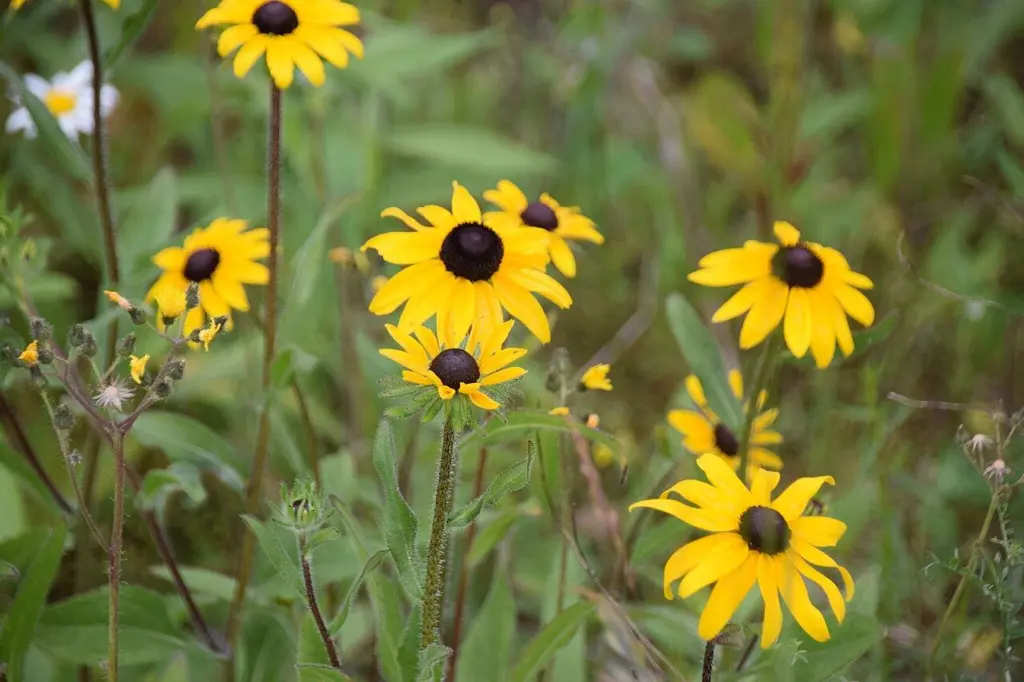
Read the label before you buy. University of Georgia Extension warns that many products sold as wildflower blends contain non-native species that can become invasive. Look for seed from a reputable dealer, with species listed by name and described as native to your region. Black-eyed Susan, Rudbeckia hirta, is a cheerful choice for eastern gardens. NC State Extension describes it as a biennial or short-lived perennial that self-seeds freely, and goldfinches eat the seeds in fall.
What to Expect Next Year
Patience is the real price of growing from seed. Texas A&M notes that annuals bloom quickly, while perennials do better in their second or third year. Cornell’s advice is similar: a sown patch may take a few years to fill in.
Expect weeds the first spring. Cornell recommends mowing the planting during the first few years to stop annual weeds from setting seed, and says the wildflowers will survive just fine. It won’t look like much for a while, and that’s normal.
So take that forgotten packet off the shelf. A few minutes in the cold now could mean bees on your own wildflowers a summer or two from now.
Sources: University of Illinois Extension, Cornell New York State IPM Program, Texas A&M AgriLife.