Drive past an old field or a prairie roadside in early November and you may spot clumps of grass the color of a new penny, glowing in the low sun while everything around them fades to brown and gray. That could well be little bluestem.
This native bunchgrass is easy to overlook in June and hard to miss right now. It asks for very little once it settles in, it offers seeds and shelter through the cold months, and it might be the answer for that dry, sunny patch where nothing else wants to grow.
What Little Bluestem Looks Like Through the Year
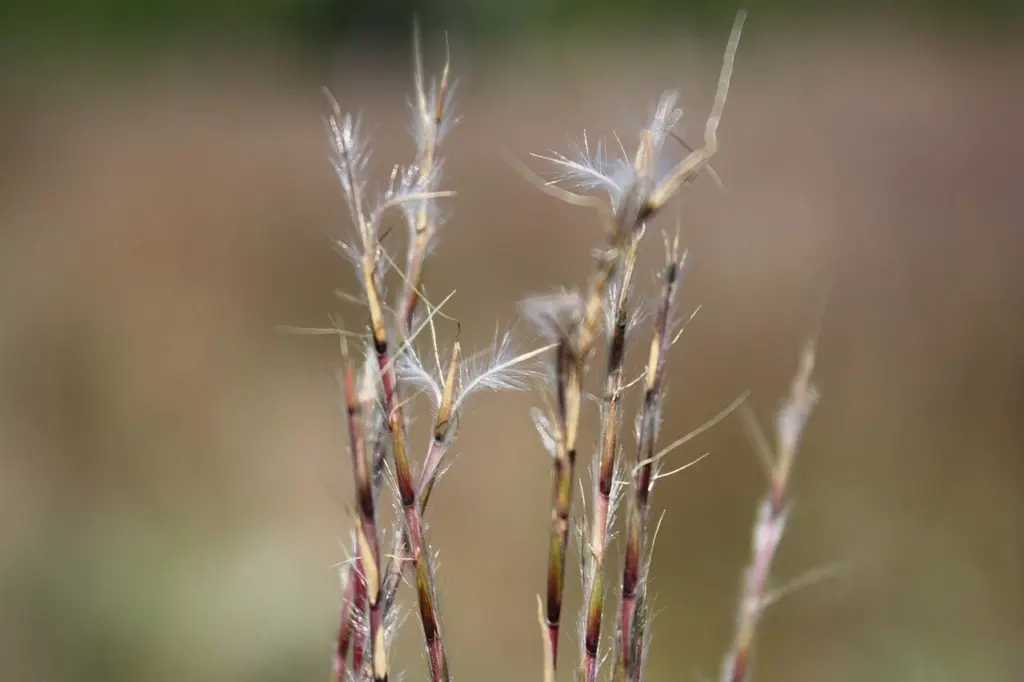
Little bluestem (Schizachyrium scoparium) is a perennial, warm-season grass that grows in clumps. The name comes from its silvery-blue stems and leaves, which are easiest to see near the base of the plant. Being a warm-season grass, it wakes up slowly in spring, then keeps growing through summer until the first killing frost.
University of Wisconsin Extension says the clumps stay 1 to 2 feet high until late summer, when flowering stems shoot up and can reach 5 feet. NC State Extension gives 2 to 4 feet as the usual height, so expect some variation with soil and cultivar. Those stems are topped by fluffy seed heads about 3 inches long that catch the light beautifully, and frost then turns the whole plant a reddish copper that holds through winter.
Where It Grows Naturally
This is a true North American native. Wisconsin Extension describes it as a prairie plant found throughout the 48 contiguous states, except for the far western coastal areas. In the wild it grows on prairies, dunes, roadsides and in open woods, usually on average to dry, often sandy soil.
If you garden along the Pacific Coast, ask a local native plant nursery or your extension office what suits your area instead.
What It Does for Birds and Butterflies
A clump of little bluestem works hard for wildlife, especially if you leave it standing after the growing season ends:
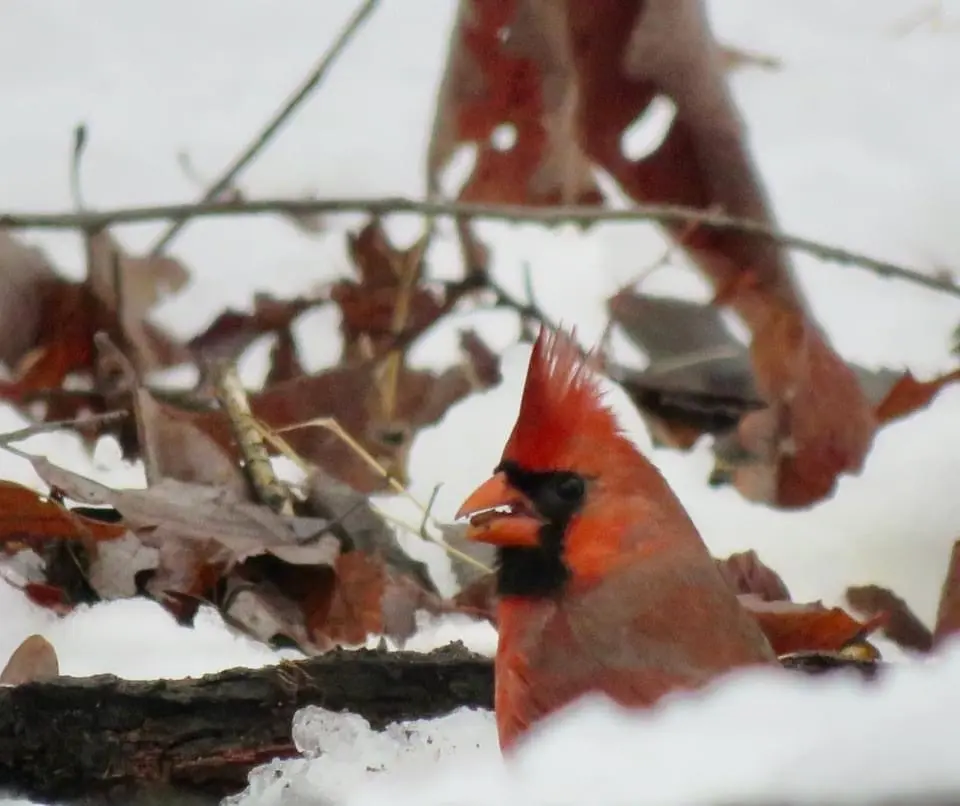
- Seeds for winter birds. The USDA plant guide lists juncos and chipping, field and tree sparrows among the birds that eat the seeds, along with upland game birds and small mammals.
- Year-round cover. NC State Extension notes that the clumps provide cover for wildlife in every season, and the USDA guide adds that the fine leaves at the base make good nesting sites.
- Food for caterpillars. It is a larval host plant for various skippers and for the common wood-nymph (Cercyonis pegala).
It pairs nicely with the idea behind leaving your seed heads up through fall: the less tidying you do in autumn, the more the plant can give back.
Deer are the one open question, because sources differ. NC State Extension rates little bluestem as highly resistant to deer browsing, while Wisconsin Extension says rabbits and deer readily graze it. If you have a lot of either in your yard, plan on some nibbling and treat any resistance as a bonus.
How to Grow It Well
The main trick with little bluestem is to resist being too kind to it. Lean conditions keep it upright and tidy:
- Sun. Give it full sun, meaning six or more hours of direct light a day. It will tolerate part shade in the wild, but it grows best in the open.
- Soil. Average, dry to medium-moist, well-drained soil is ideal, and poor soil is fine. It will grow on clay, though Wisconsin Extension does not recommend heavy clay.
- Water. Its deep, extensive roots make it drought-resistant once established, so it rarely needs a hose after that point.
- Fertilizer. Skip it. Rich soil, extra watering and overfeeding all make the stems taller and more likely to flop over late in the season.
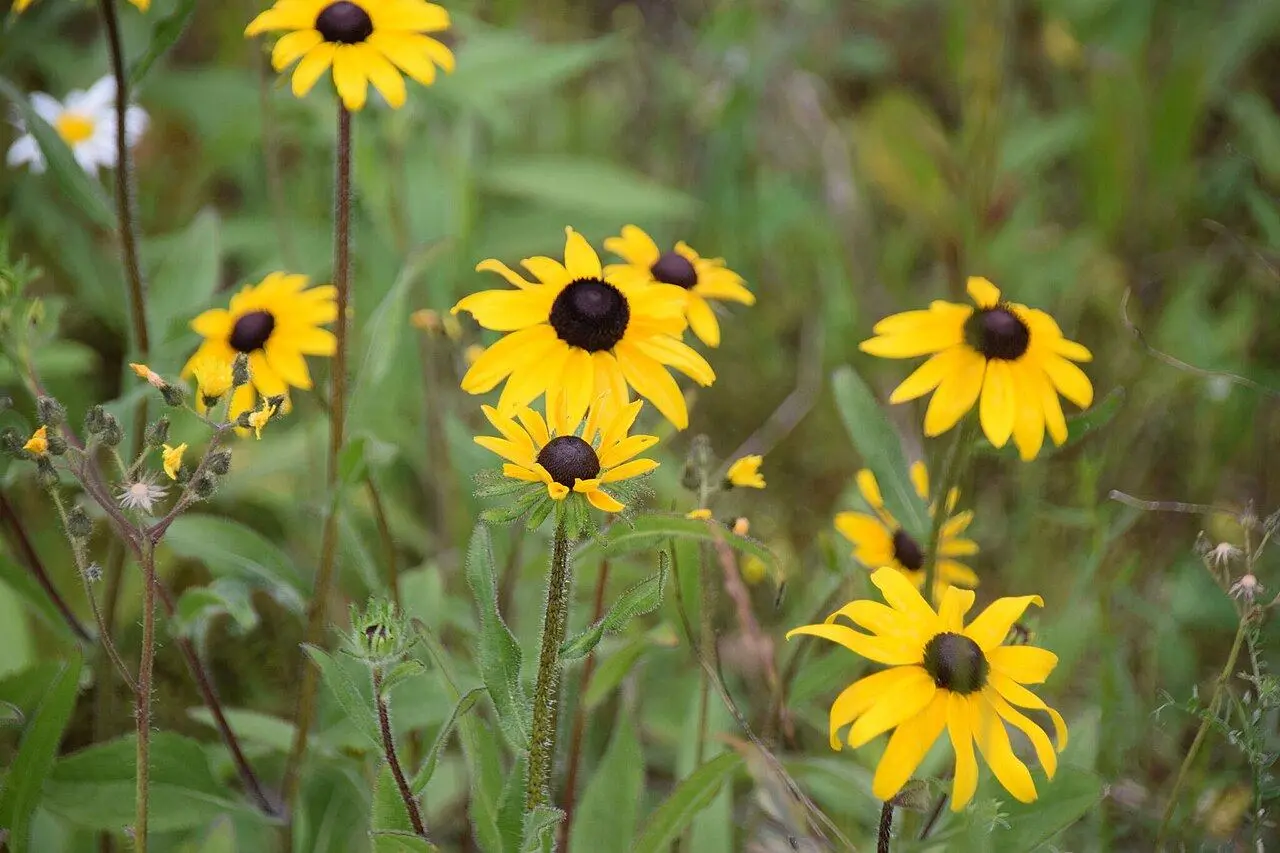
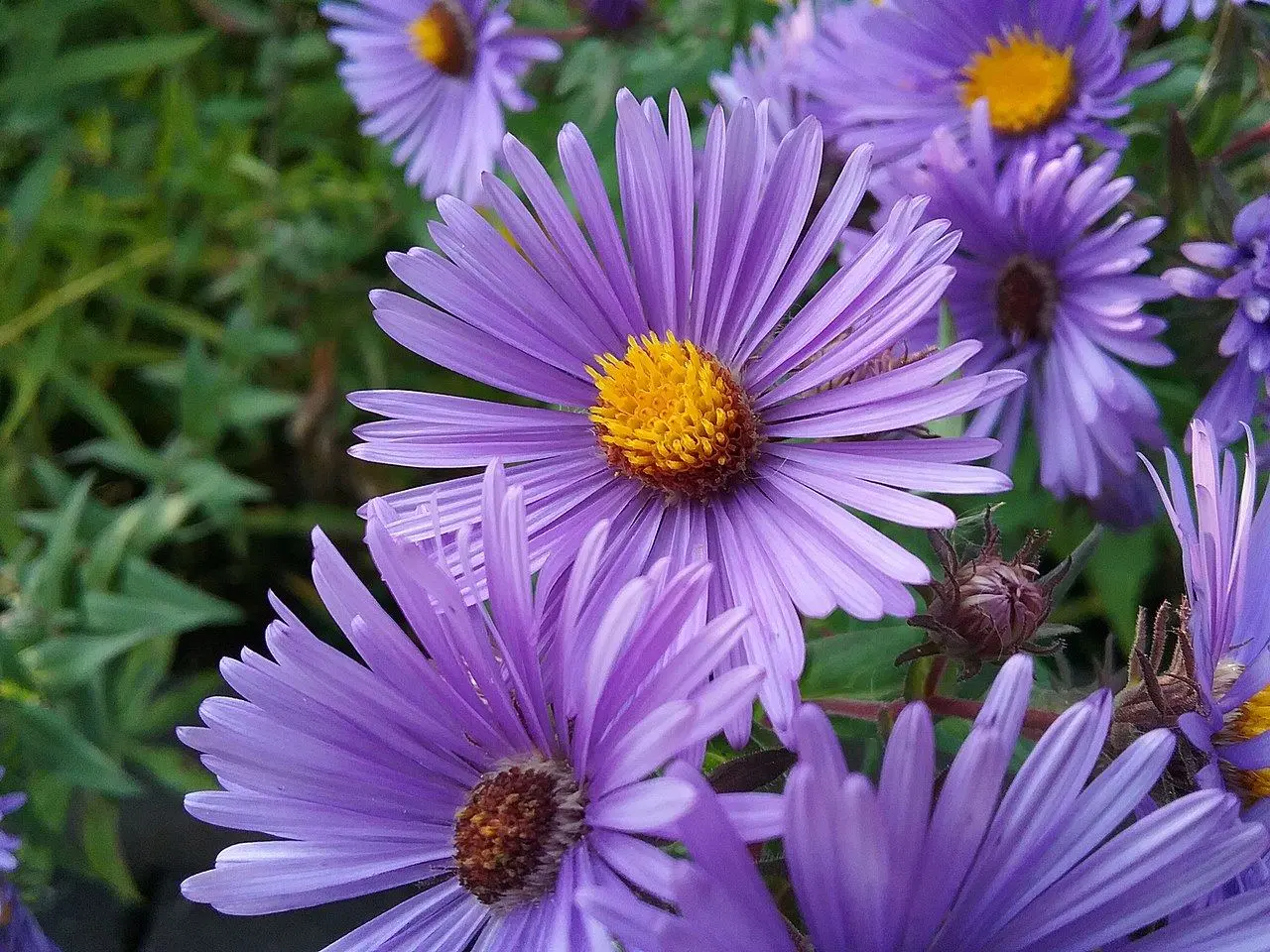
For planting partners, Wisconsin Extension suggests yarrow, rudbeckias, purple or yellow coneflower, goldenrod and asters. You can find more ideas in our native plants section. Garden centers also sell cultivars chosen for color, such as ‘The Blues’, with deep blue summer foliage, and ‘Blaze’, which turns pink-orange to red in fall.
When to Plant and When to Cut It Back
November is a great time to admire this grass and pick out a spot for it, but not necessarily the time to plant it. Wisconsin Extension advises planting grasses in spring so the roots get a full season to develop, since those planted or transplanted in fall may not establish well enough to survive the winter. That advice comes from a cold climate, so if your winters are mild, your local extension office can tell you what works best where you live.
If you prefer to start from seed, it needs no pretreatment. Sow it as early in spring as possible. It works especially well for larger spaces like a small meadow, and the clumps rarely need dividing.
As for cleanup, leave the stems standing all winter so you get the color and the birds get the seeds. In late winter or early spring, before new growth starts, cut the old growth back. Wisconsin Extension suggests leaving 2 to 4 inches, and NC State Extension adds that you should keep mulch away from the crown of the plant.
Little bluestem may never be the showiest plant in the yard in July. On a gray winter day, though, with copper stems moving in the wind and a few sparrows working through the seed heads, you’ll be glad you made room for it.
Sources: University of Wisconsin Extension, NC State Extension Plant Toolbox, USDA NRCS Plant Guide.