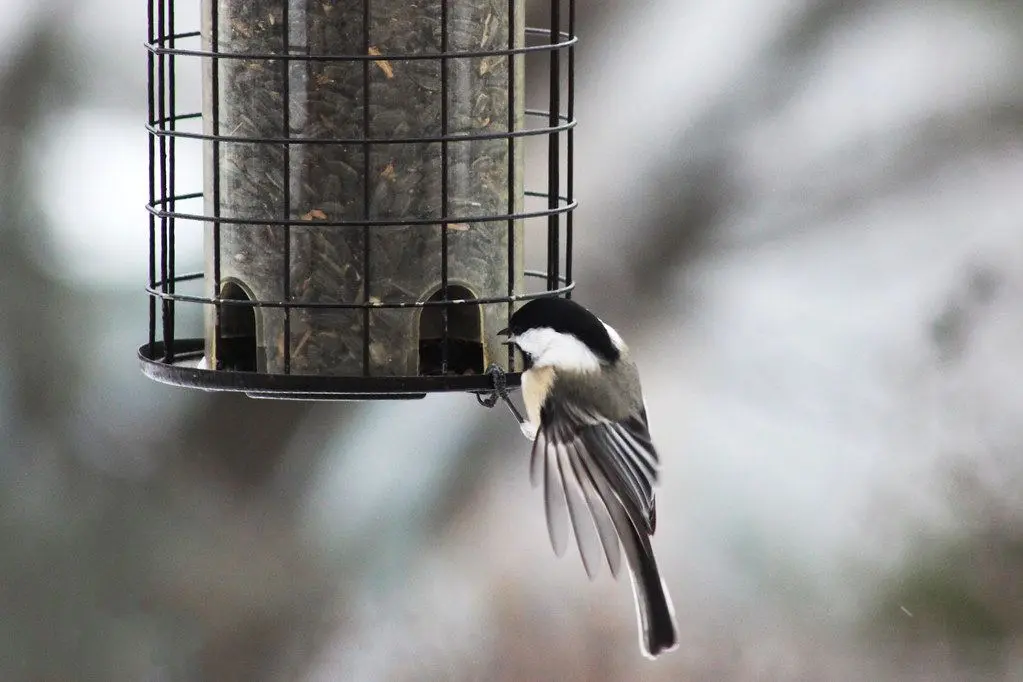
On a cold morning, a chickadee lands on the feeder, takes a single seed, and darts off to a nearby branch to work on it. A minute later it’s back. Watching that little routine from a warm kitchen is one of the best parts of winter.
You don’t need special gear to get started. One sturdy feeder and one good seed will do, and you can add more once you see who shows up. Here’s what to buy and where to put it.
Start With Black-Oil Sunflower Seed
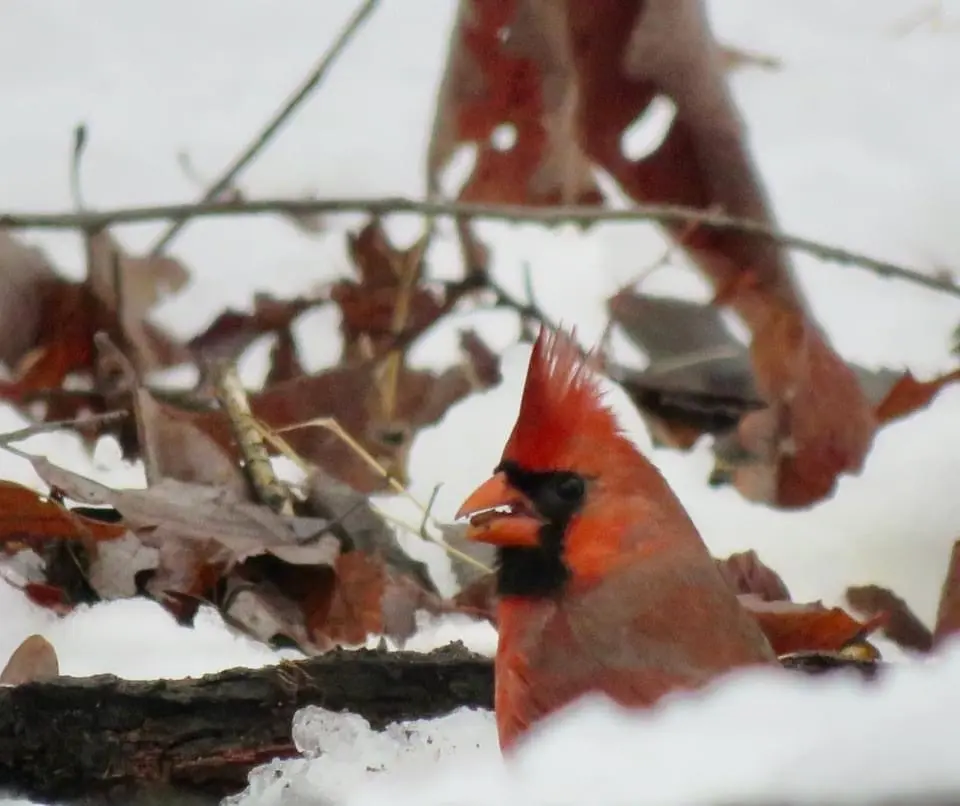
If you buy only one food, make it this one. Project FeederWatch calls black-oil sunflower the most common seed used in feeders, and for good reason. It’s high in energy, and its thin shells are easy for small beaks to crack. Cardinals, chickadees, finches, and sparrows all take it readily.
Be careful with cheap mixes. University of Wisconsin Extension advises avoiding blends with a lot of milo or hulled oats, since those fillers tend to go uneaten. A bag of plain sunflower seed often turns out to be the better deal.
Add Other Foods Once Birds Are Visiting
Different foods bring in different birds. These are worth trying once your first feeder is busy:
- Suet: a good choice for insect-eating birds, and winter is the easiest season to offer it. It can go rancid in hot weather unless it’s specially processed.
- Nyjer: a tiny seed from the plant Guizotia abyssinica that attracts finches, including American goldfinches. It needs a feeder with small ports.
- Safflower: attracts cardinals and other big-billed birds, though most birds still prefer sunflower.
A few things should stay out of your feeders. FeederWatch recommends avoiding salted or coated peanuts, peanut hearts, and moldy fruit. Check old seed before you use it, too. If it smells musty or looks clumped, throw it out.
Pick a Feeder That Stays Dry
Wet seed spoils, and winter brings plenty of snow and sleet. University of Wisconsin Extension suggests choosing a feeder with a roof or one that drains well. A simple hopper or tube style is easy to fill and clean, which matters more than how it looks.
Hang It in the Right Spot
Location affects both how much use a feeder gets and how safe it is for birds. A few distances are worth remembering:
- Height: about 5 to 6 feet off the ground.
- Near cover: roughly 10 feet from trees or shrubs. That’s close enough for birds to escape to, while still giving you a clear view.
- Near windows: either within 3 feet of the glass or more than 30 feet away. A bird leaving a feeder that close to a window can’t build up enough speed to be badly hurt, and a far-off feeder keeps birds away from the glass.
Window strikes are worth a little extra effort. FeederWatch suggests markings spaced no more than 2 inches apart or screens on the outside of the glass.
Be Patient, Then Be Consistent
A new feeder can sit untouched for a while. Birds need time to find it, so don’t assume you’ve done something wrong if the first week is quiet. Once they’ve found it, keep it filled. University of Wisconsin Extension recommends feeding consistently through late winter and into early spring, when natural food can be harder to come by.
If you travel or forget for a few days, don’t worry too much. Just refill it when you can, and try to keep a regular routine for the rest of the season.
Don’t Forget Water and Cleaning
Birds need water in winter too. If you keep a birdbath going, never add antifreeze, which FeederWatch specifically warns against. A heated birdbath is a safer way to keep water open, if you want to go that far.
Feeders also need regular cleaning, even in cold weather. Seed and droppings build up and can spread disease from bird to bird. N.C. Cooperative Extension suggests cleaning seed feeders at least every two weeks and more often during heavy use or wet weather. Our guide to keeping bird feeders clean and safe walks through the steps.
Plant for Next Winter
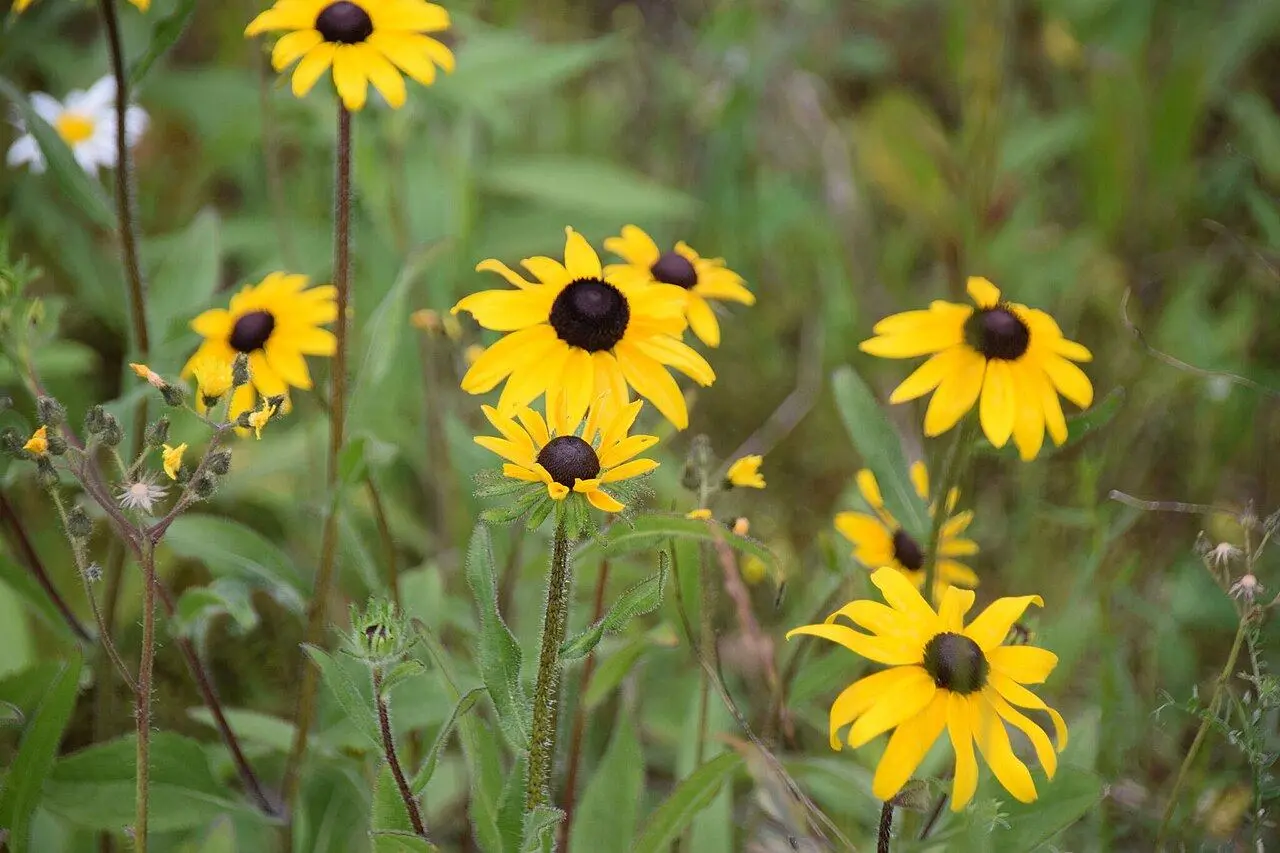
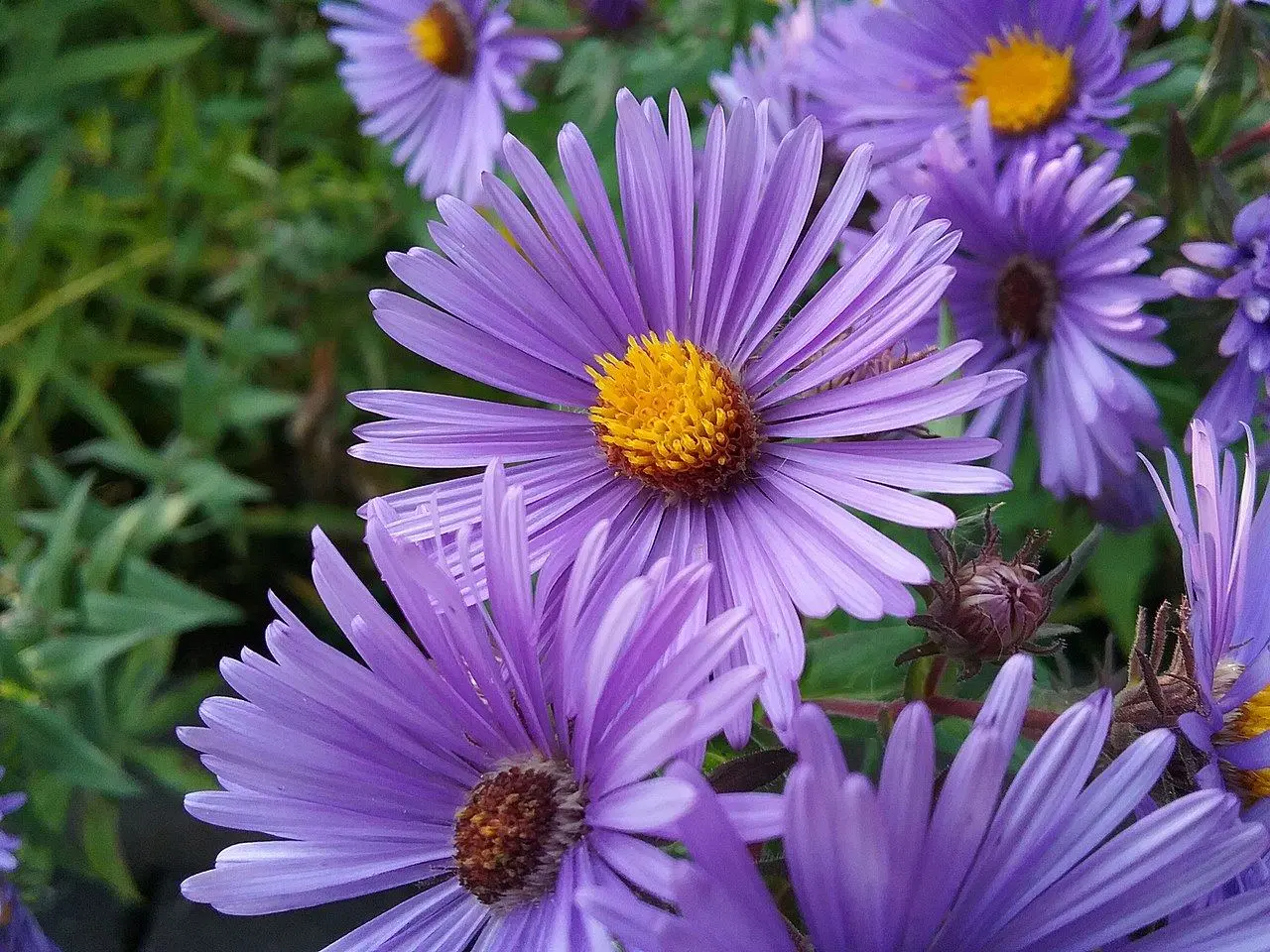
A feeder is only part of the picture. Native shrubs and flowers can provide natural food and shelter that last well past the seed in your hopper, and they make your yard more interesting to watch all year. Browse our native plant guides for ideas, and check that anything you buy is suited to your state.
For now, fill the feeder, pour some coffee, and see who comes by. You may be surprised how quickly your yard becomes part of the neighborhood birds’ daily rounds.
Sources: Project FeederWatch; University of Wisconsin Extension; N.C. Cooperative Extension.