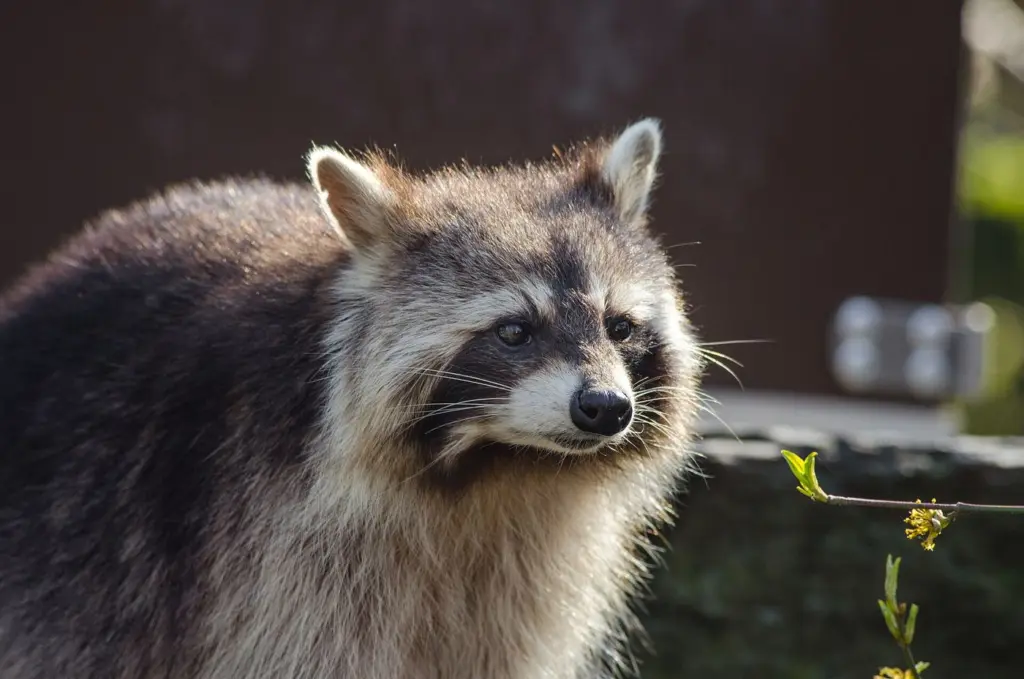
If your trash can lid is on the lawn in the morning, you probably already know you have raccoons. These masked night visitors are some of the most familiar wild animals in America, and some of the most misunderstood.
Raccoons have a reputation as pests, but up close they’re fascinating animals. They solve problems, remember what works, and explore the world mostly with their hands.
A Native Survivor
The common raccoon (Procyon lotor) is native to North America and lives in nearly every part of the United States, from forests and marshes to farms and big cities. Raccoons were originally animals of wooded streams and wetlands, and they still love water, but they have adapted to life around people better than almost any other wild mammal.
An adult usually weighs 10 to 20 pounds, though raccoons in the north bulk up in fall and can weigh more going into winter.
Things Worth Knowing About Raccoons
- Their hands do the seeing. A raccoon’s front paws are packed with nerve endings, and a large part of its brain is devoted to processing touch. It can identify food by feel without even looking at it.
- They don’t really wash their food. The name lotor means “washer,” because raccoons often dunk and rub food in water. Scientists think wet paws simply become more sensitive, so the raccoon is getting a better feel for what it’s holding.
- They’re smart and remember things. In studies, raccoons have solved puzzle boxes and remembered the solutions for up to three years.
- The mask may cut glare. One idea is that the dark fur around the eyes reduces glare and helps raccoons see better at night, the same reason athletes wear eye black.
- They eat whatever is available. Crayfish, frogs, insects, eggs, fruit, nuts, corn and pet food are all fair game. That flexibility is a big reason they thrive near people.
- They slow down in winter, but don’t hibernate. During cold snaps raccoons can stay in their dens for days or even weeks, living off stored fat, then come out again when the weather softens.
Raccoon Families
Babies, called kits, are usually born in April or May. A typical litter has two to five. Mothers raise them alone, often in a hollow tree, but sometimes in an attic, chimney, crawl space or under a deck.
Kits start following their mother on nightly foraging trips at about two months old, and they may stay with her through their first fall or even their first winter. If you see a line of small raccoons trailing behind a larger one, you’re watching a family on the move.
Keeping Raccoons Wild, and Out of the House
Raccoons are a natural part of a healthy neighborhood, but they can cause trouble when they get too comfortable. They can also carry rabies and raccoon roundworm, a parasite spread through their droppings, so it’s best to admire them from a distance. A few steps go a long way:
- Never feed them. Feeding raccoons leads to crowding, bold behavior and the spread of disease.
- Lock down the trash. Use cans with locking lids, or keep them in a garage or shed until pickup day.
- Bring pet food inside. Food bowls left on a porch overnight are an open invitation.
- Cap chimneys and seal gaps. A chimney cap and repairs to loose vents, soffits and roof edges keep mothers from denning in your home.
- Be patient with a denning mother. If a raccoon has kits in your attic or chimney, the family will usually move out within a couple of months. A licensed wildlife professional can help them leave safely and seal up the entry afterward.
- Clean droppings carefully. If raccoons use one spot as a latrine, don’t touch the droppings with bare hands. Check with your local health department for safe cleanup steps.
- Leave baby raccoons alone at first. A kit on its own may be waiting for its mother to come back. If it’s still alone and crying after several hours, or looks injured, call a wildlife rehabilitator.
Raccoons are here to stay, and that’s not a bad thing. With a few secure lids and sealed gaps, they can go back to doing what they do best: wandering the creek banks and backyards at night, feeling their way through the world one paw at a time.