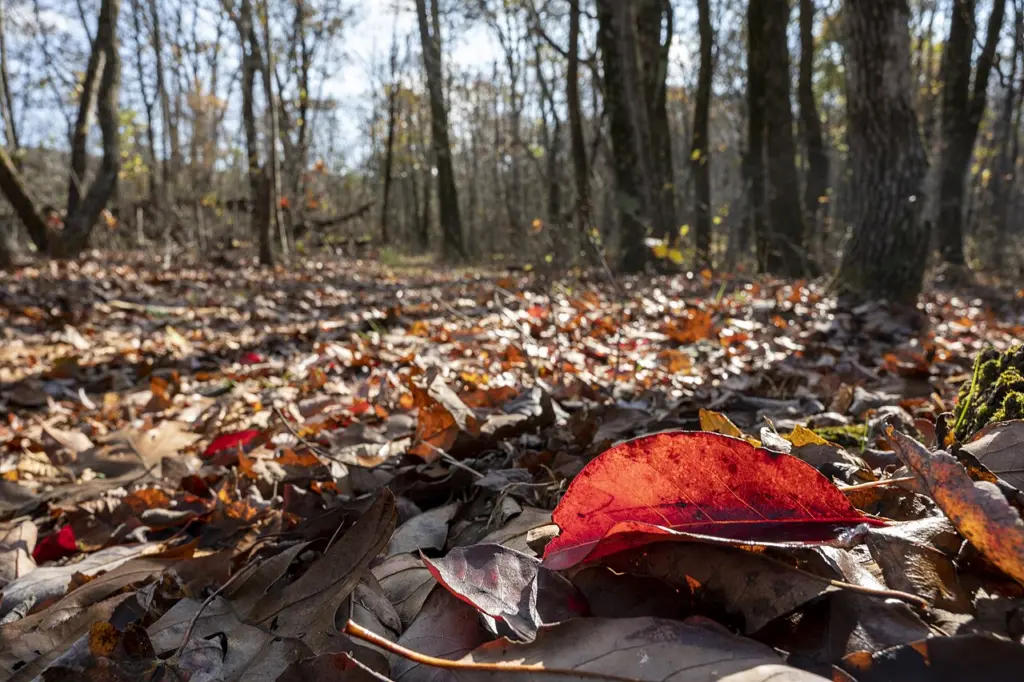
Every fall, millions of us spend our weekends raking leaves into bags and hauling them to the curb. Here’s the thing: a good part of the wildlife you’d like to see in your yard next spring is spending the winter in those leaves.
You don’t have to let the whole yard go wild. But changing where the leaves go, rather than getting rid of them, is one of the easiest and cheapest things you can do for backyard wildlife. It also saves you a lot of work.
Who’s Living in the Leaf Pile
- Butterflies and moths. Many of them spend the winter on the ground. Luna moths and swallowtails pass the winter as cocoons or chrysalises tucked in the leaves. Fireflies spend their larval stage in leaf litter and damp soil.
- Native bees. Bumble bee queens dig in just under the soil surface, and a layer of leaves above them helps keep them insulated.
- Toads, salamanders and turtles. American toads and eastern box turtles burrow down for winter, often right under the leaf layer.
- Spiders, beetles and worms. The whole small-animal world that breaks down leaves into soil lives here.
All those insects matter to birds too. In late winter and early spring, you’ll often see robins, towhees, thrashers and white-throated sparrows kicking through leaf litter looking for food. Come spring, the caterpillars that survived the winter become the food that songbirds feed their nestlings.
What to Do With Your Leaves Instead
Leaving the leaves doesn’t mean leaving a thick, wet mat on your lawn all winter. That can smother grass. It means moving them to places where they do some good:
- Rake them into your garden beds. A few inches of leaves around shrubs and perennials works as free mulch. They hold moisture, protect roots and break down into rich soil.
- Pile them under trees. The area under a tree’s canopy is where leaves naturally belong. Turn it into a leafy bed instead of fighting for grass in the shade.
- Mow a light layer on the lawn. If there aren’t many leaves on the grass, running a mower over them chops them up and lets them feed the lawn. (Keep in mind this does destroy the insects living in them, so save your thickest leaves for the beds.)
- Start a leaf corner. Pick a back corner and just pile them up. In a year or two, the bottom of the pile turns into leaf mold, a crumbly soil gardeners pay good money for.
Add a Brush Pile While You’re at It
Fall cleanup usually produces a heap of branches and pruned stems too. Instead of bundling them up, stack them into a brush pile in a quiet corner. Lay bigger logs and branches at the bottom in a crisscross pattern so there’s open space underneath, then pile smaller twigs on top.
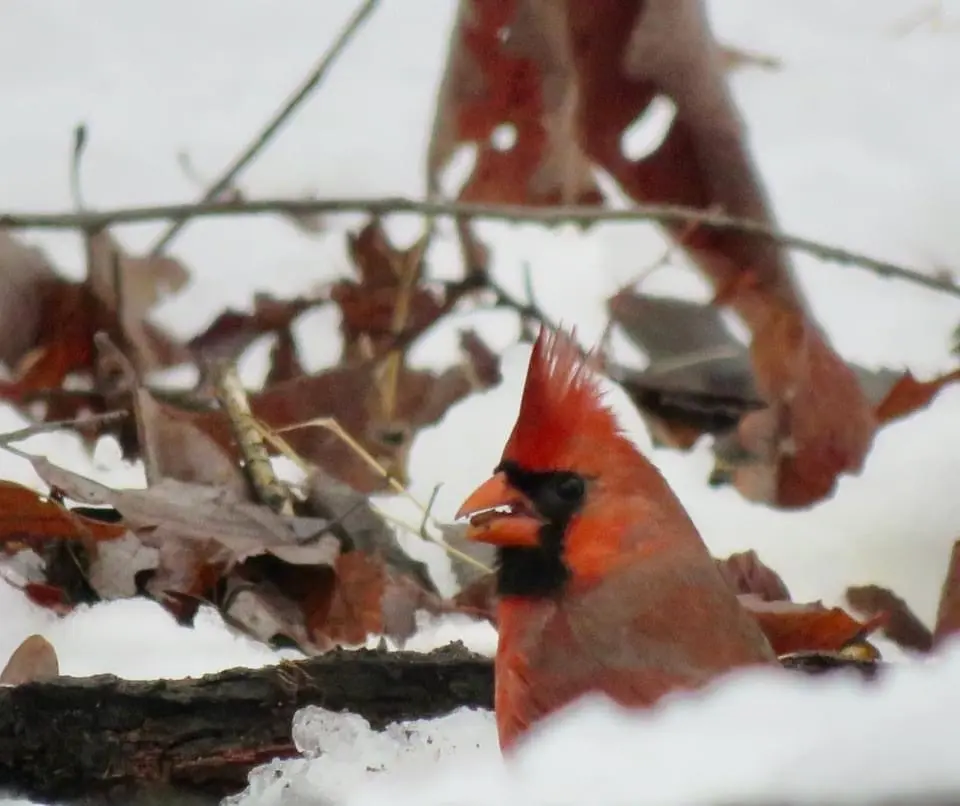
In winter, brush piles give birds like juncos, cardinals and song sparrows a quick place to hide from hawks and shelter from wind. Rabbits, chipmunks and toads use them too. Put one near your bird feeders and you’ll notice birds dashing back and forth between the two all day long.
Hold Off on Spring Cleanup
The other half of this habit happens in spring. If you clear out leaves on the first warm weekend in March, you’ll disturb the bees, butterflies and other insects that haven’t come out yet. A good rule of thumb is to wait until daytime temperatures are reliably in the 50s for a week or more. By then, most of the overwintering crowd has woken up and moved on.
The same goes for dead flower stalks. Hollow stems from plants like bee balm and Joe-Pye weed are where many small native bees nest. Cut them back to 12 to 18 inches in spring instead of to the ground, and new bees will move into them the following year.
Rake less, pile smarter, and wait a little longer in spring. Your back will thank you, and so will the fireflies next June.