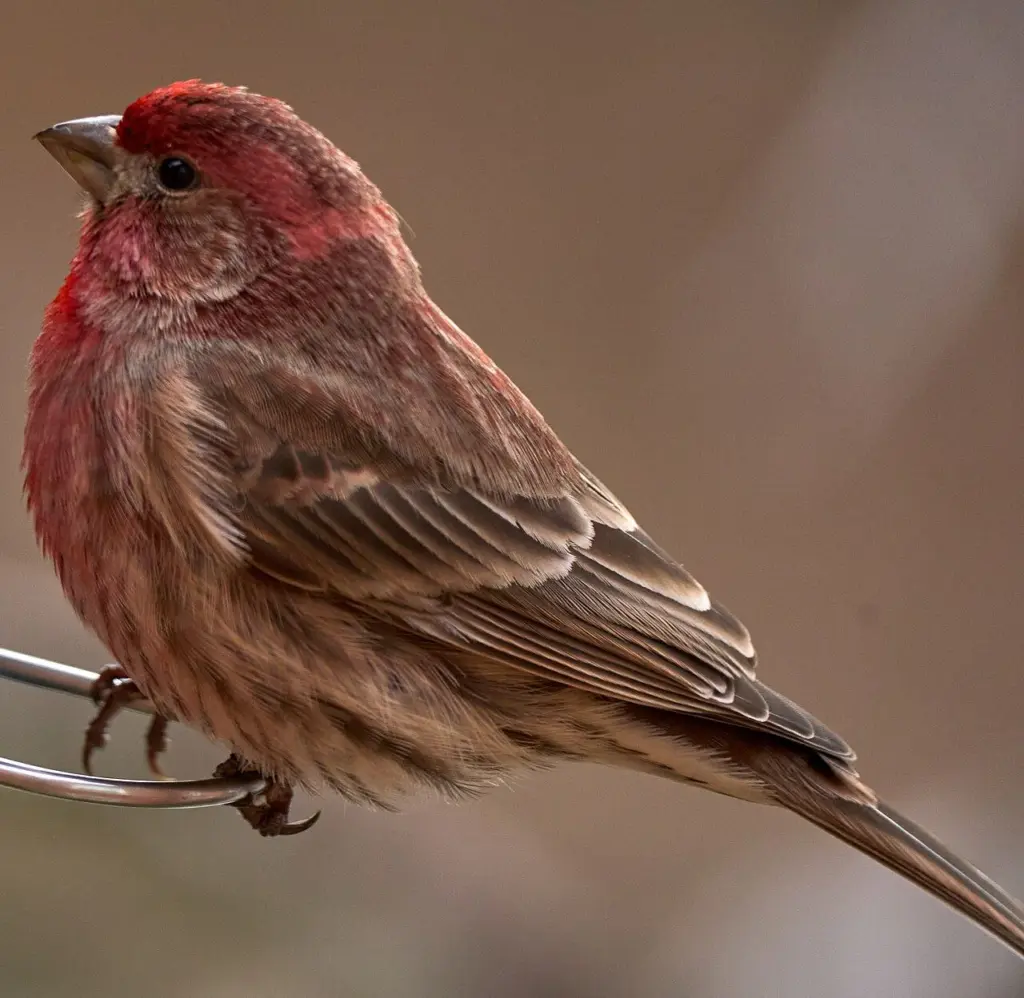
A busy feeder is a pleasure to watch, but it’s also a place where dozens of birds share the same small space, and the same droppings. A house finch that looks fine today could be carrying something it passes on to the next bird on the perch.
The fix isn’t complicated. A few minutes with a brush and a bucket every couple of weeks goes a long way. Here’s a routine that’s easy to keep up with.
Why Cleaning Matters
Moldy seed and droppings build up around feeders, where they can grow mold, host bacteria, and spread disease among birds. Salmonella is the one most often mentioned. The Sequoia Audubon Society points out that some infected birds show no signs at all, and they can still pass the infection along. So a feeder can be a problem even if everyone looks healthy.
How Often to Clean
Timing depends on the feeder and how busy it is. These are good general targets:
- Seed feeders: at least every two weeks, according to N.C. Cooperative Extension. Clean more often when you have lots of visitors or rainy weather.
- Hummingbird feeders: replace the sugar water about twice a week, and more often in hot weather. Wash the feeder weekly, or right away if it looks cloudy or moldy.
- Birdbaths: empty and clean them daily, as Sequoia Audubon recommends. Even a quick scrub and refill helps.
- The ground below: sweep up spilled seed and hulls about once a month, or sooner if rodents start showing up.
A Simple Way to Clean a Seed Feeder
Set aside a brush just for this job, and work outside if you can. Then follow these steps:
- Empty it: take the feeder apart as far as it will go, and throw out any old seed.
- Scrub it: remove stuck-on debris with a sponge or brush. Disinfectant doesn’t work well through a layer of grime.
- Soak it: use a solution of 1 part bleach to 9 parts water for about 10 minutes.
- Rinse it well: use plenty of clean water until there’s no bleach smell.
- Dry it fully: let it air-dry, ideally in the sun, before refilling. A dry feeder helps keep the new seed from getting moldy.
Don’t mix bleach with other cleaning products, and wash your hands with soap and water when you’re done. N.C. Cooperative Extension says that soap and water will also clean feeders, just not as thoroughly, and that a 10% bleach solution is the most effective against salmonella.
Hummingbird Feeders Are Different
Hummingbird feeders need a gentler approach. Sources differ here: Sequoia Audubon says not to use bleach on them at all, while N.C. Cooperative Extension allows it as long as you rinse off all residue. The easy way to stay on the safe side is to use a vinegar and water solution with a small bottle brush, then rinse well. The recommended strength varies too, so don’t worry about being exact.
Refill with a mix of 1 part white sugar to 4 parts hot water, cooled before you pour it in. Project FeederWatch advises against adding red dye. If you only need a small amount, make only what the birds will drink in a day or two so that it doesn’t spoil.
Choosing Feeders That Are Easy to Clean
The best feeder is one you’ll actually clean. Before you buy, check whether it comes apart without tools and whether a brush can reach every corner. Smooth plastic, metal, and glass parts are generally easier to scrub than bare wood.
Keeping food fresh matters just as much. Fill feeders with only what birds will eat in a few days, and toss any seed that looks clumped or smells moldy.
If You See Sick Birds
Sick birds may look thin, fluffed up, and listless. They may have swollen eyelids, and they’re often easy to approach. If you find sick or dead birds in your yard, Sequoia Audubon offers this advice:
- Take feeders down right away: remove birdbaths too.
- Disinfect everything: clean feeders and baths thoroughly, rinse well, and let them dry.
- Leave them down: wait at least one month after the last sick or dead bird before rehanging them.
Birds will find other food while your feeders are down, so it’s fine to take the break. Wear gloves if you need to handle a dead bird, and wash your hands afterward. Your state wildlife agency or a licensed wildlife rehabilitator can tell you whether there’s a local outbreak and whether they’d like a report.
Make It Part of Your Routine
A reminder on your phone every other weekend is often all it takes. Keeping a spare feeder also helps, since you can hang a clean one while the other is drying. For more ways to make your yard safer for wildlife, browse our wildlife gardening tips or see more visitors in backyard birds. A clean feeder won’t get you any extra thanks from the finches, but it does help keep them healthy.
Sources: N.C. Cooperative Extension; Sequoia Audubon Society; Project FeederWatch.