Late in the season, a coneflower bed can look pretty tired. The petals are gone, the stems have turned brown, and it’s tempting to get out the pruners. Hold off for a moment, because a goldfinch might be planning to eat there.
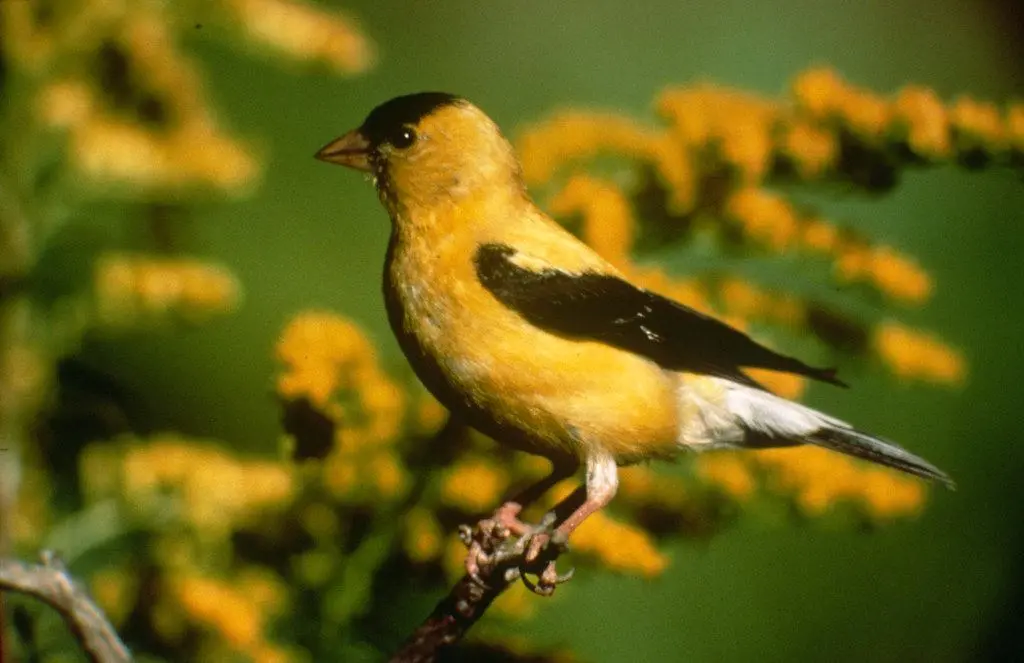
The American goldfinch (Spinus tristis) depends on seeds more than most backyard birds, and a garden left a little untidy can feed it for months. It’s about the easiest wildlife gardening project there is, since the main thing you have to do is nothing.
Why Goldfinches Care So Much About Seeds
Audubon describes the goldfinch’s diet as primarily seeds, especially those from the daisy family, along with weeds, grasses, and small tree seeds such as elm, birch, and alder. It eats some insects in summer, but only to a limited extent. Even nestlings are fed mostly regurgitated seeds, which is unusual among songbirds.
The goldfinch also keeps an odd calendar. While many birds nest in spring, goldfinches do most of their nesting in July and August, when plenty of plants are going to seed. The nest is built with plant fibers, spiderwebs, and plant down, especially from thistles, and the cup can be so tight it holds water.
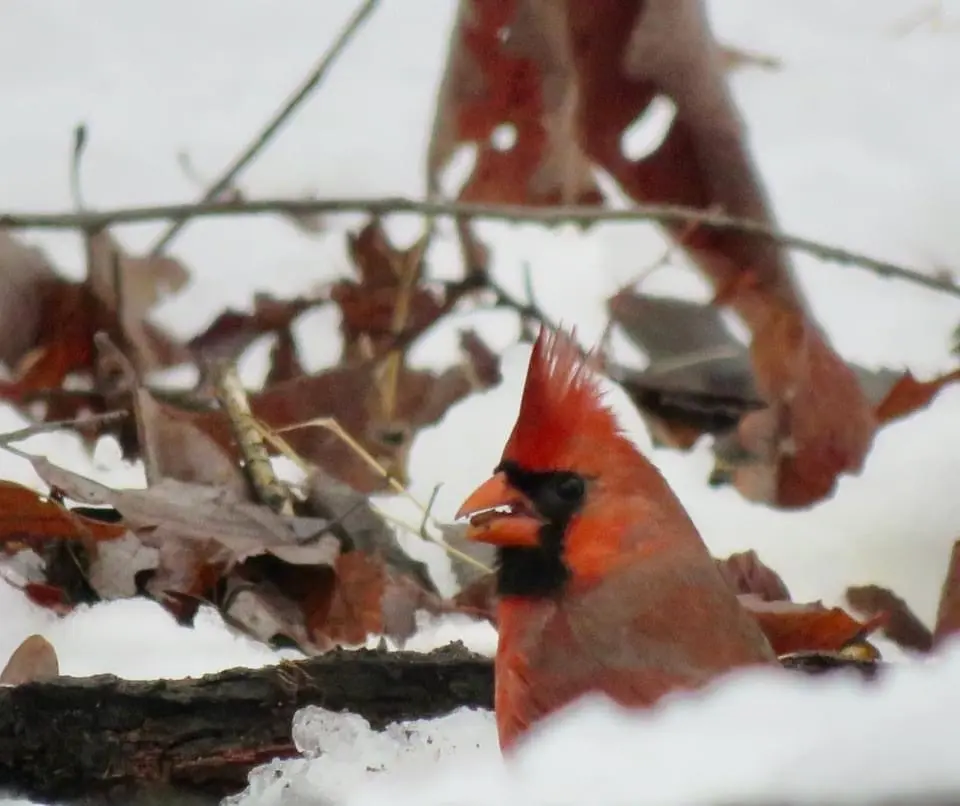
By fall, goldfinches often travel in flocks through weedy fields and gardens, and they trade the male’s bright summer yellow for a duller brown and gray. So if you’re looking for them in winter, don’t expect a flash of lemon yellow.
Seed Heads Worth Leaving
The National Wildlife Federation recommends leaving spent flower stalks standing until spring. These are good native plants to start with:
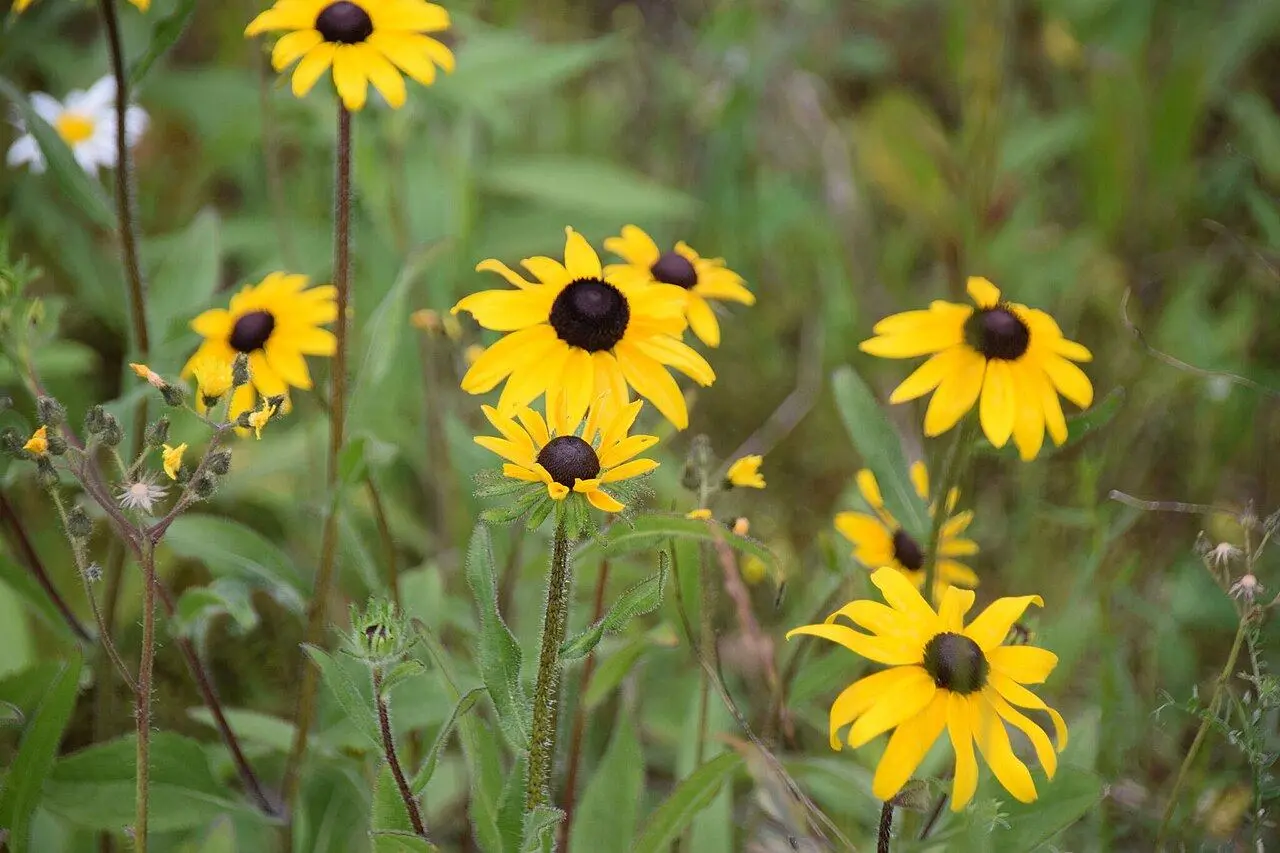
- Coneflowers: nine native species grow across the eastern and central Lower 48 and into the Rockies. Goldfinches perch on or just below the dark cones to pick out the seeds.
- Black-eyed Susans: familiar, easy to grow, and a useful winter seed source.
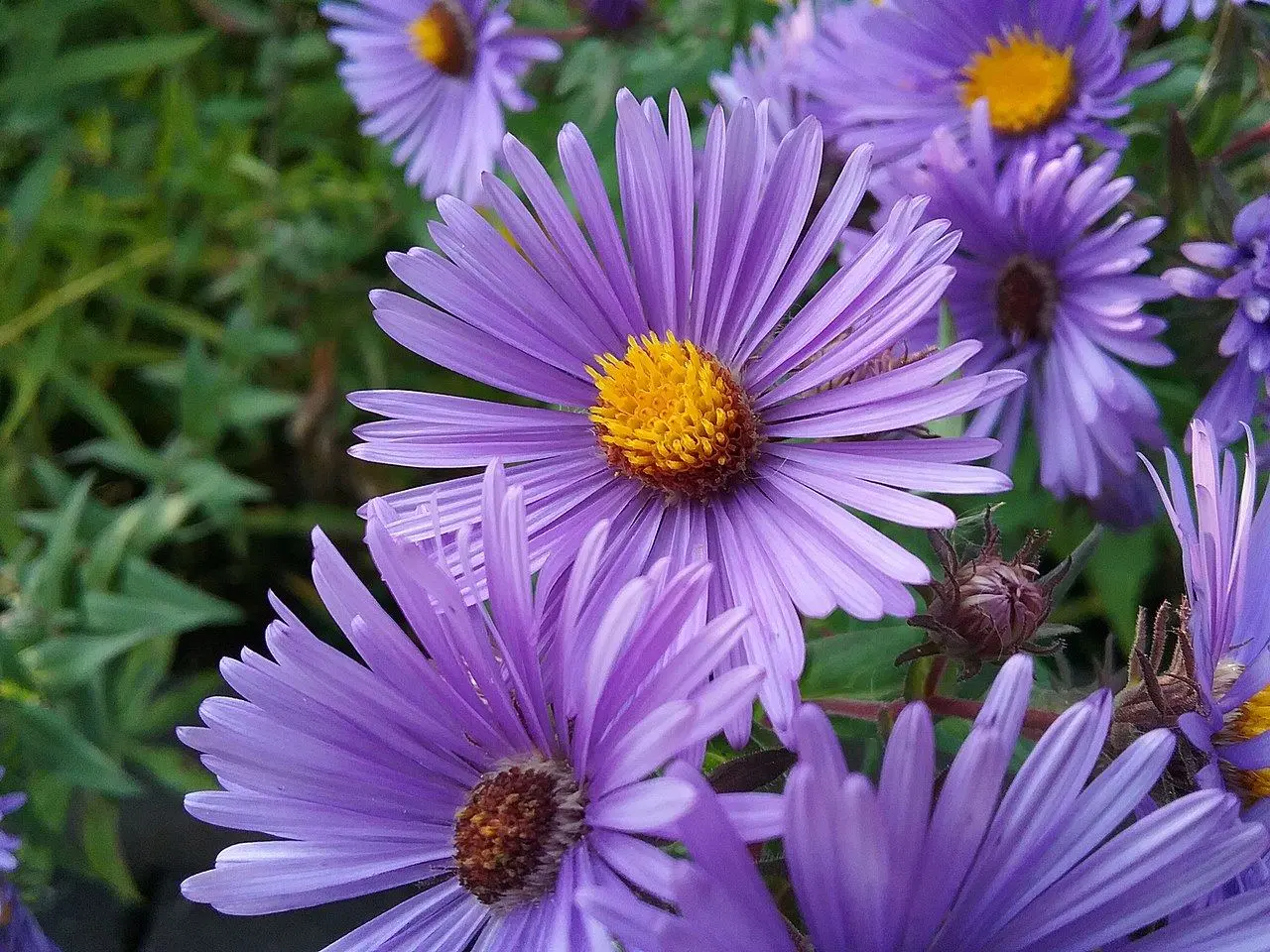
- Asters: their late blooms help pollinators in fall, and juncos and goldfinches visit the dried flower heads later on.
- Native sunflowers: late-blooming species make good seed sources, but choose carefully. Some spread quickly by rhizomes or seed themselves everywhere.
- Round-head bush clover: not flashy, but at 3 to 6 feet tall it holds seed above deep snow, which makes it useful in the eastern two-thirds of the country.
Which plants fit best depends on where you live. The National Wildlife Federation’s Native Plant Finder lists options by zip code, and a local native plant society can tell you what grows well near you. If you have pets that like to chew on plants, check new choices against a pet safety list before you buy.
Standing Stems Do More Than Feed Birds
Seeds are only part of what a fall garden offers. Dead stalks give wildlife places to shelter from storms and predators, and many insects spend the winter inside them. Cutting everything down and hauling it away can mean throwing out some of next year’s pollinators.
WSU Master Gardeners point out that dry, hollow stems can also serve as nest sites for solitary bees. Bee balm, raspberries, and coneflowers are favorites. You can read more about those bees in our pollinators section.
When to Cut Things Back
Waiting doesn’t mean leaving everything forever. A simple plan works for most gardens:
- In fall: stop deadheading, and let flowers go to seed on plants you want to keep.
- Through winter: leave stalks standing so that birds can pick through them.
- At the end of winter: once the birds have eaten the seeds, WSU Master Gardeners suggest cutting stems at various heights, leaving stubble about 8 to 24 inches tall.
Spring growth will soon hide the stubble, so it won’t look rough for long. If a plant is diseased, or if it’s an invasive species, deal with it sooner rather than later. Letting an invasive plant drop thousands of seeds does your yard and your neighbors no favors.
Keeping It Looking Intentional
An untidy garden can worry the neighbors, but a few small touches help a lot. Keep edges and walkways crisp, cut back anything flopping onto a path, and leave stems in clear groups rather than scattered around. A tidy border makes it obvious that the rest was left standing on purpose. The stems also look lovely with frost or a dusting of snow on them.
What About Feeders?
Seed heads and feeders work well together. Goldfinches commonly visit feeders for small seeds, and nyjer in a small-port feeder is a classic choice. Natural seed heads give them another option once the flowers have finished, and they’ll keep your garden interesting to watch when not much else is going on.
For more planting ideas, take a look at our native plant guides. This fall, leave a few stems standing and keep an eye out for small brown birds climbing around on them. Those are your goldfinches, enjoying the meal you didn’t clean up.
Sources: Audubon Guide to North American Birds; National Wildlife Federation; WSU Chelan-Douglas Master Gardeners; Project FeederWatch.