Wildlife Gardening Tips
You don’t need a big yard or a big budget. Small, practical changes can make any yard, patio or balcony more welcoming to birds, butterflies and other wildlife. Start with a simple plan, then add water, shelter and a little care through the seasons.
Ideas for any size yard
On this page
-
Six steps for your first season
-
Birdbaths, brush piles and leaf litter
-
Keep feeders clean and birds healthy
-
Help through cold, heat and storms
Step-by-step plan
Your first wildlife-friendly season
Wildlife needs four things: food, water, shelter and a safe place to raise young. These six steps cover all four. Take them one at a time, at your own pace.
-
Look at what you already have
Walk your yard and note sunny and shady spots, wet and dry areas, and any trees, shrubs or flowers that birds and insects already visit.
-
Turn a patch of lawn into a planting bed
Start small. Even a few square feet of flowers and shrubs offers more food and cover than mown grass.
-
Plant natives in layers
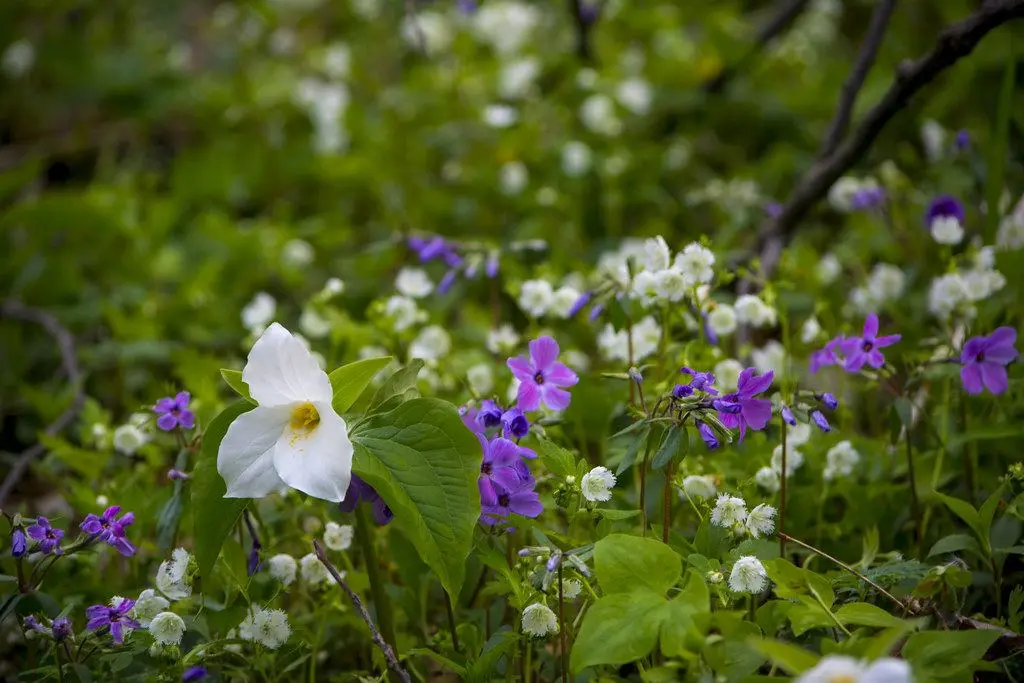
Mix trees, shrubs, flowers and grasses so wildlife can feed and hide at different heights. Find native plants for your region.
-
Add water
A shallow birdbath or dish gives birds, bees and butterflies a place to drink and bathe. See water tips.
-
Leave shelter
Brush piles, fallen leaves and standing seed heads give animals places to hide, rest and spend the winter. See shelter ideas.
-
Skip pesticides
Pesticides can harm bees, butterflies and the insects birds feed their chicks. A few chewed leaves are a sign your garden is working.
Ideas by space
Start with the space you have
Every space can help. Pick yours to see a few ideas that fit.
-
Grow natives in pots
Many native flowers grow well in containers. Group a few pots together so pollinators can find them.
-
Set out a water dish
A shallow saucer with a few pebbles gives bees and butterflies a safe place to drink.
-
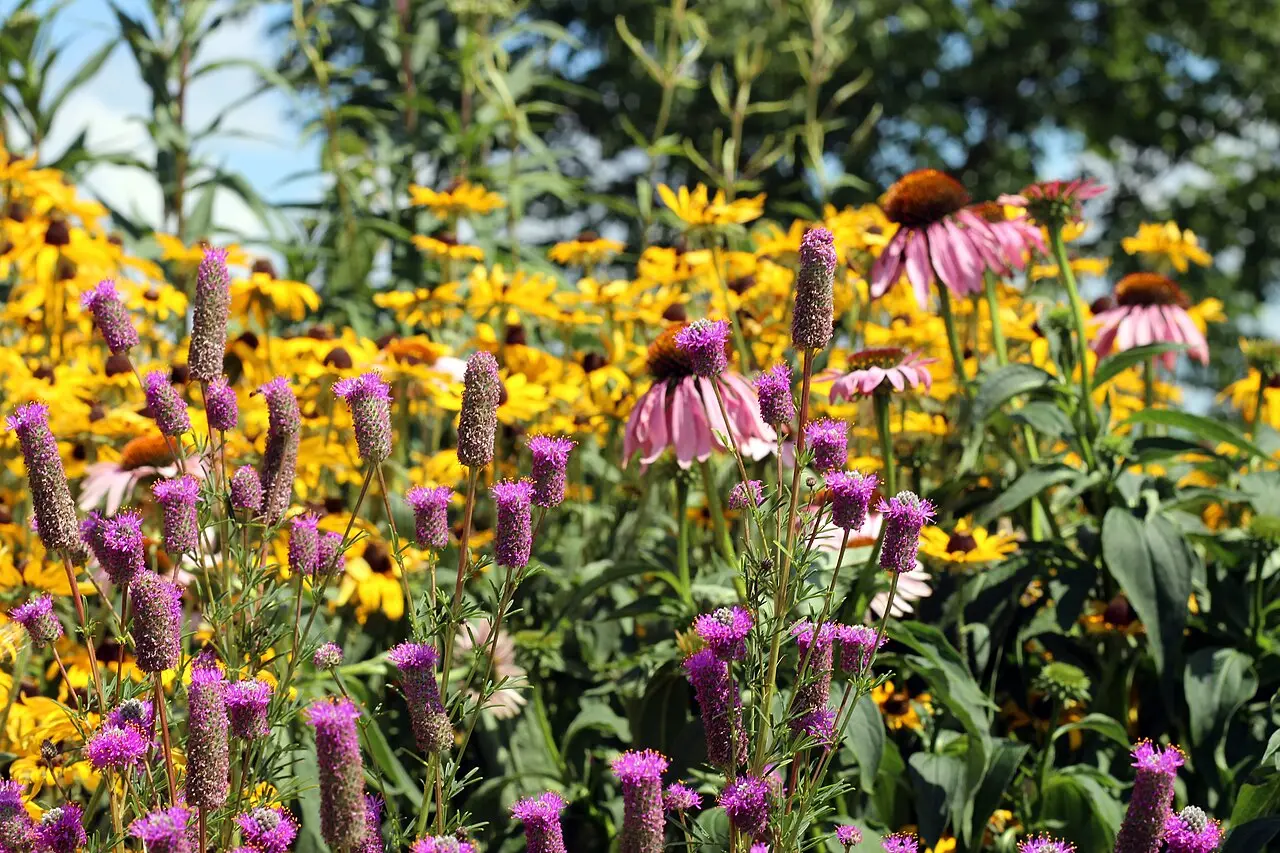
Choose flowers for every season
Pick plants that bloom in spring, summer and fall so there’s always something for pollinators.
-
Help birds see your windows
Place feeders within about 3 feet of a window, or more than 30 feet away, to lower the risk of collisions.
-
Replace one patch of lawn
A single flower bed along a fence or sidewalk is a good first project.
-
Add a shrub or small tree
A native shrub or small tree, such as a serviceberry, gives birds cover, nesting spots and berries.
-
Put in a birdbath
Set it near shrubs, so birds have somewhere to dash if a predator appears.
-
Keep a wild corner
Let leaves collect in one corner, and leave a small brush pile for insects, toads and birds.
-
Plant a meadow patch
Turn a larger stretch of lawn into native flowers and grasses, and mow a path through it.
-
Plant a hedgerow
A line of mixed native shrubs along a boundary gives birds food, cover and a safe way to move around.
-
Put up nest boxes
Bluebirds, wrens and chickadees may use boxes in open, quiet spots. See nest box tips.
-
Add more water
Place two or three birdbaths around the yard, or add a small pond with a shallow, sloping edge.
Water
Add water
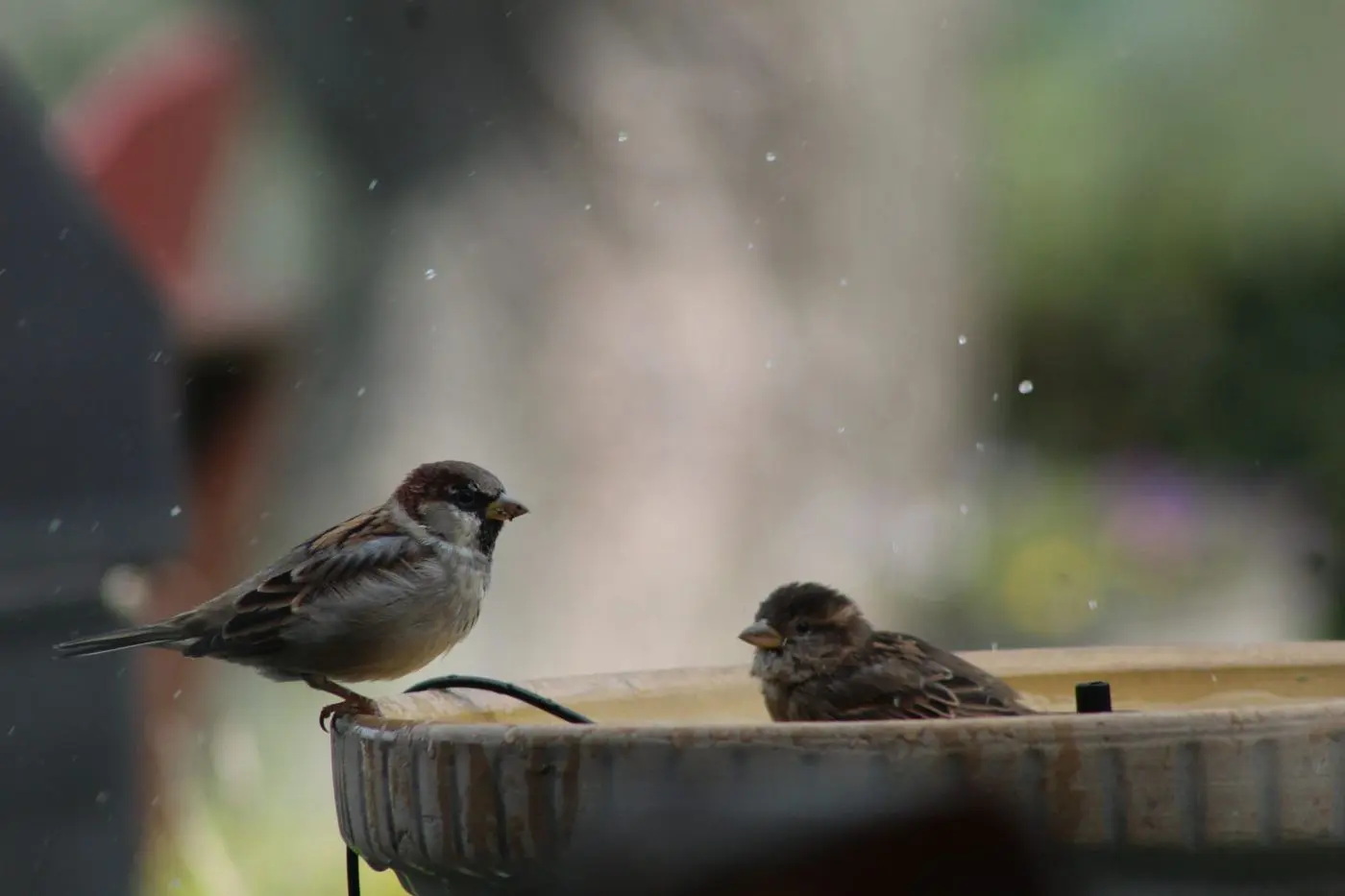
Clean water can bring as many visitors as a feeder. Birds drink and bathe in it, and bees and butterflies stop to sip.
Birdbath basics
- Keep it shallow, about 1 to 2 inches deep, with gently sloping sides.
- Add a few flat stones that rise above the water as perches for bees and butterflies.
- Change the water every few days so mosquitoes can’t breed in it.
- Scrub it clean often to stop algae and droppings from building up.
- In winter, keep some water open. A heated birdbath helps when water freezes.
Shelter
Leave shelter
A garden that’s a little less tidy gives wildlife places to hide, rest and spend the winter. Here are some easy ways to add shelter.
-
Rocks & logs
Rock or log piles
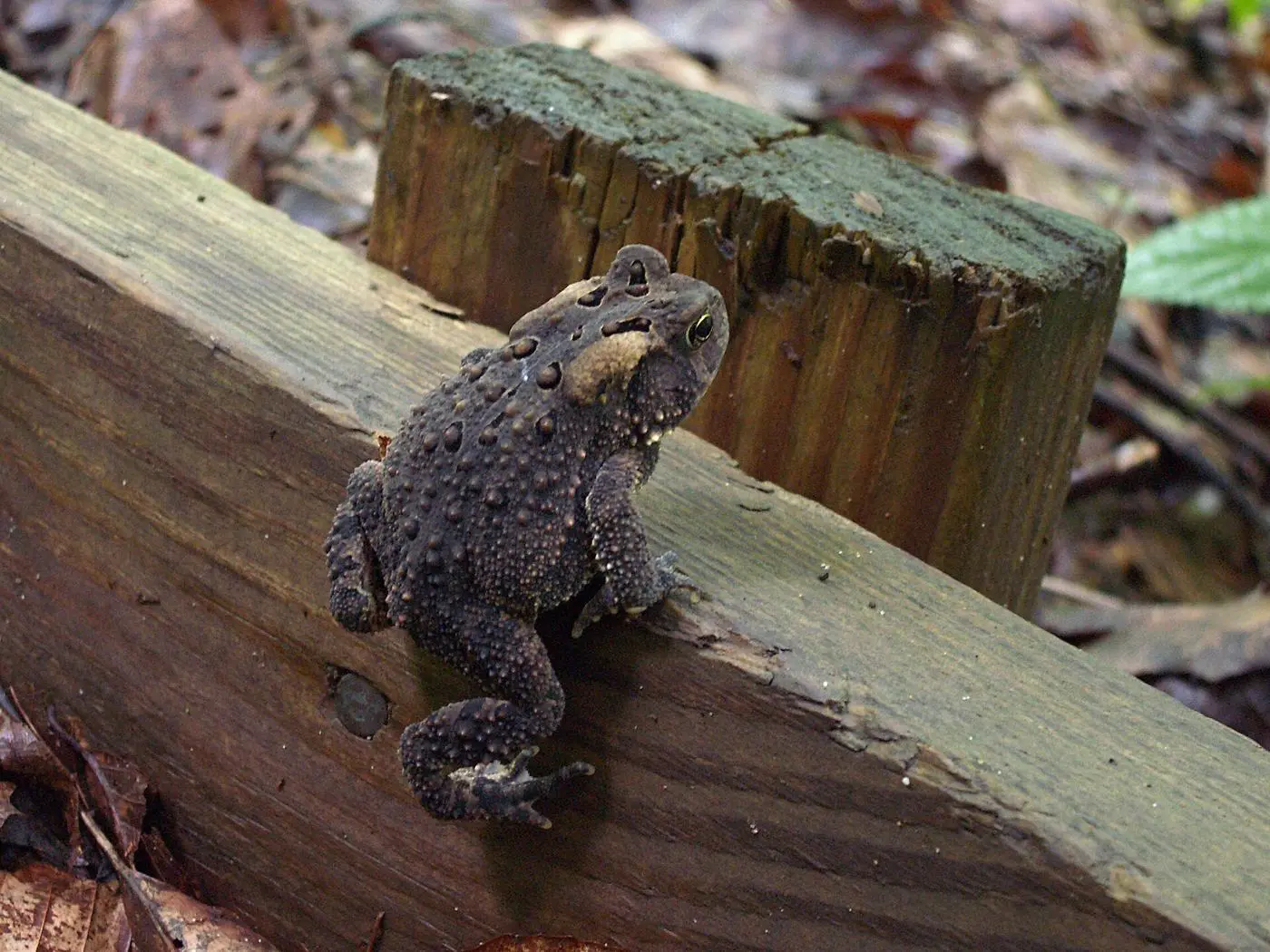
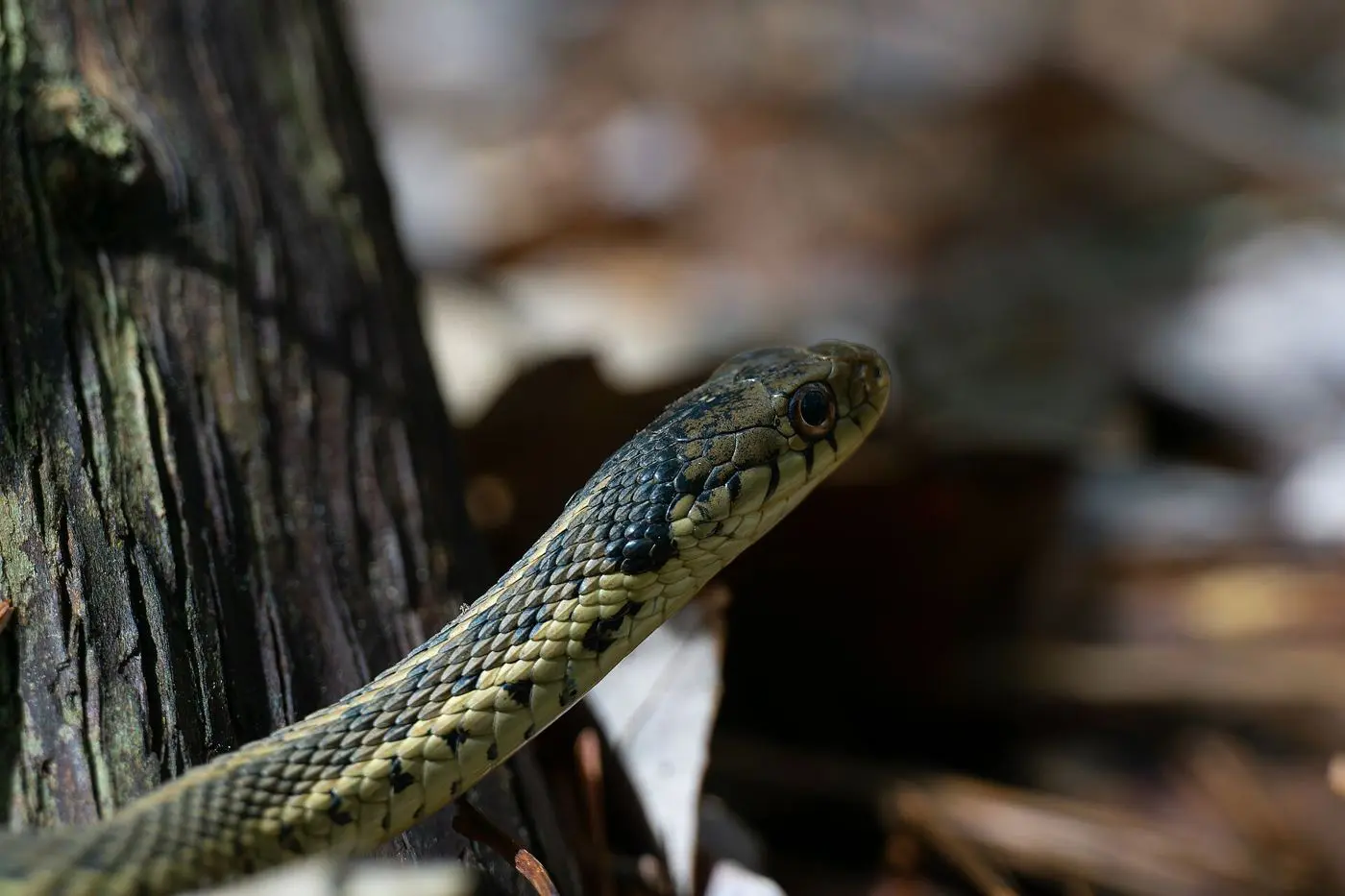
A loose pile of rocks or logs in a quiet corner gives toads and garter snakes a cool, damp place to hide. Both eat garden insects and slugs.
-
Branches
Brush piles
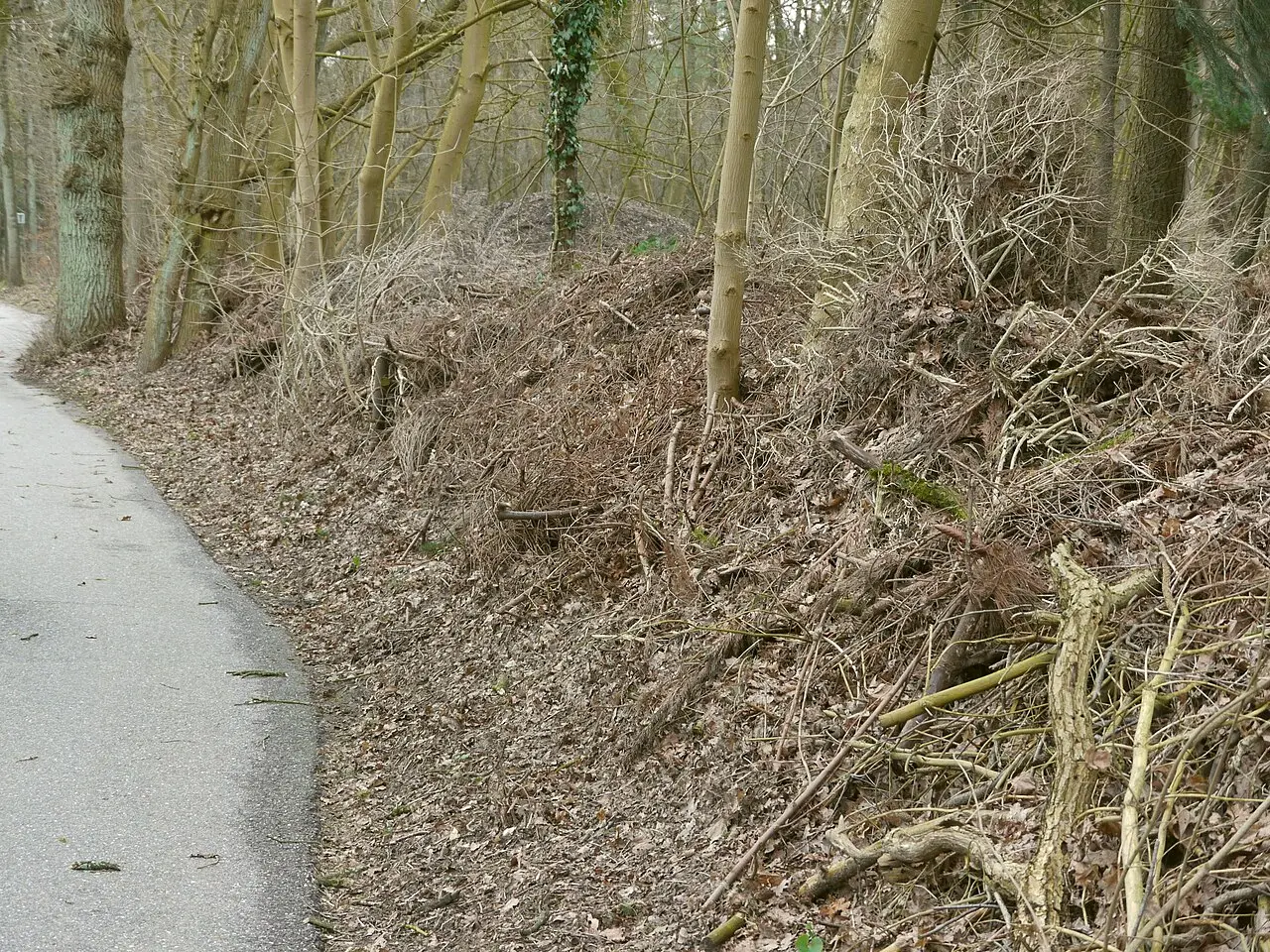
Stack pruned branches with the largest on the bottom. Birds, rabbits and insects shelter inside.
-
Leaves
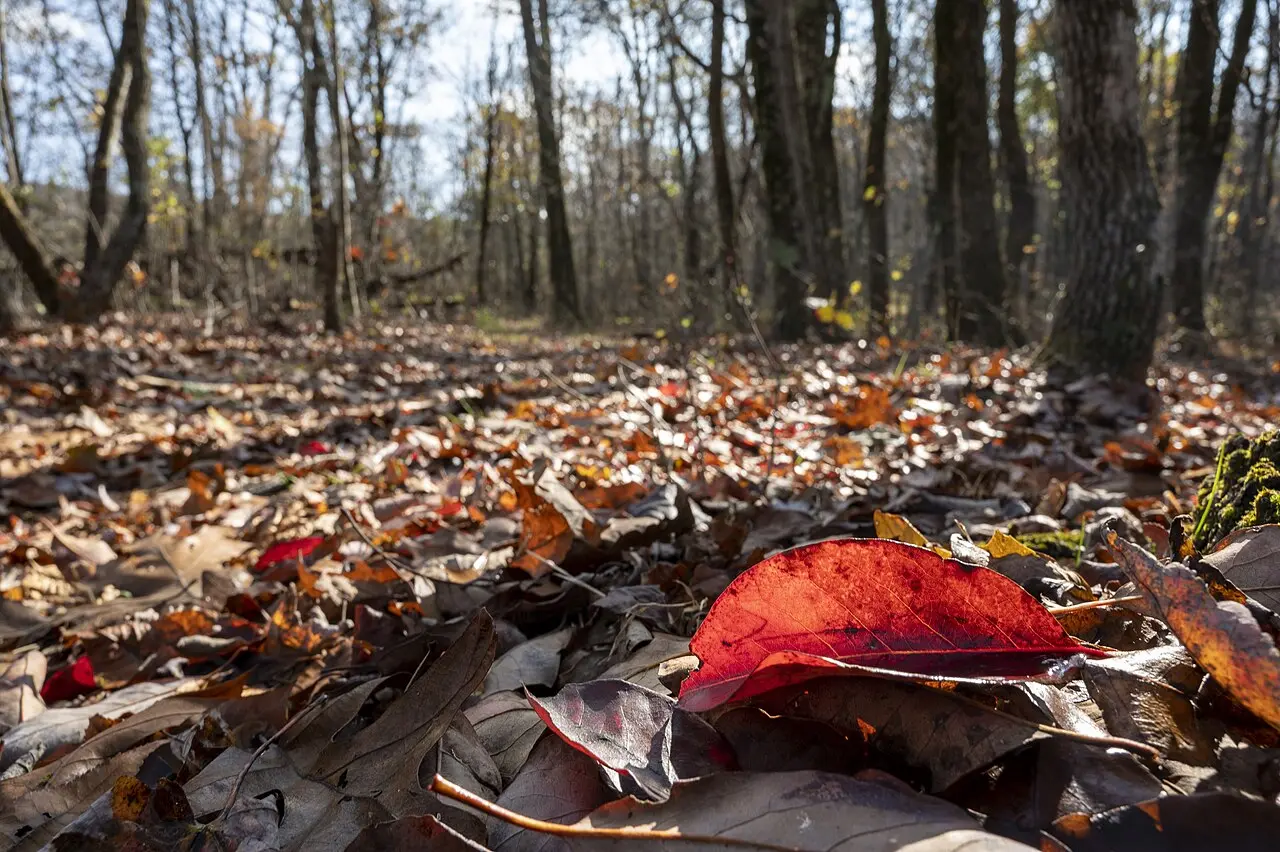
Leaf litter in planting beds
Rake leaves off paths and lawn into your beds. Many moths, butterflies and beetles spend the winter in them.
-
Trees
Dead trees, if they’re safe
Woodpeckers, chickadees and many insects use standing dead trees. Keep one only if it can’t fall on people, homes or paths. Ask a certified arborist if you’re unsure.
-
Soil
Bare soil for bees
Many native bees nest in the ground. Leave a few small sunny patches without mulch, and try not to dig them up.
Feeder care
Keep feeders clean and safe
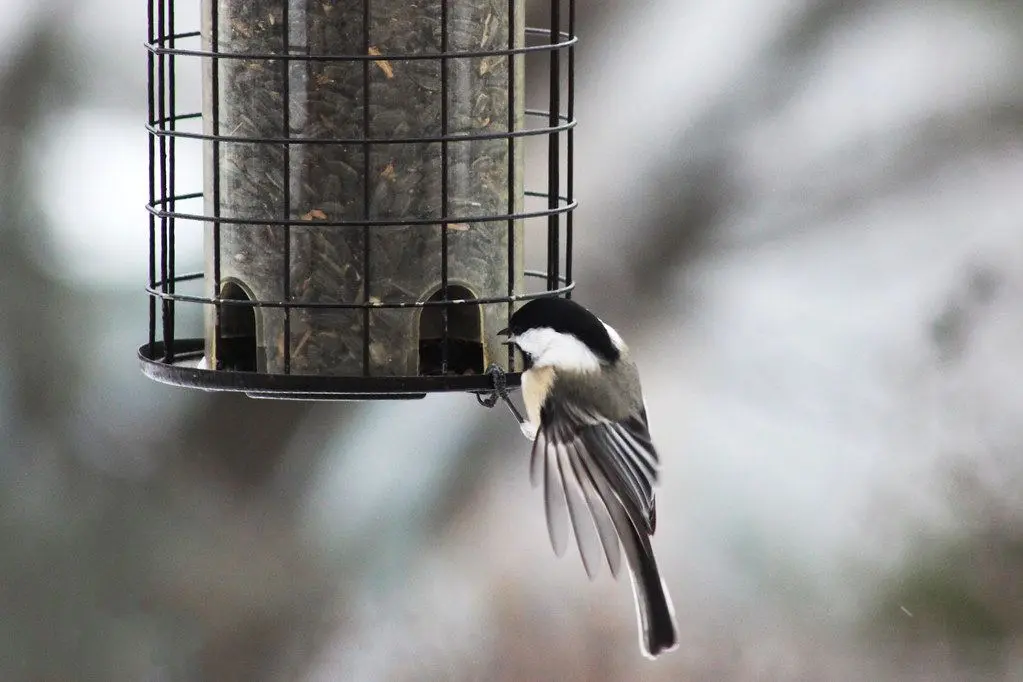
Dirty feeders and old seed can spread disease between birds. Clean your feeders about every two weeks, and more often in wet weather or when many birds visit.
- 1Empty the feeder. Throw out any old seed.
- 2Scrub it with hot, soapy water. Use a brush to reach the corners and feeding ports.
- 3Rinse it well. Make sure no soap is left behind.
- 4Let it dry fully. Damp seed spoils fast, so refill only once the feeder is dry.
Good habits between cleanings
- Rake up spilled seed and hulls under feeders.
- Space feeders apart so birds don’t crowd together.
- Throw out seed that is wet, clumped or moldy.
If you see birds that look sick, such as fluffed up, sluggish or with crusty eyes, take your feeders down for a while. Clean them before you put them back, so birds spread out and are less likely to pass illness on.
Through the seasons
Help wildlife through extreme weather
Wild animals are built to handle hard weather, but a few small steps can make a difficult stretch a little easier.
-
Winter cold
- Keep some water open and unfrozen.
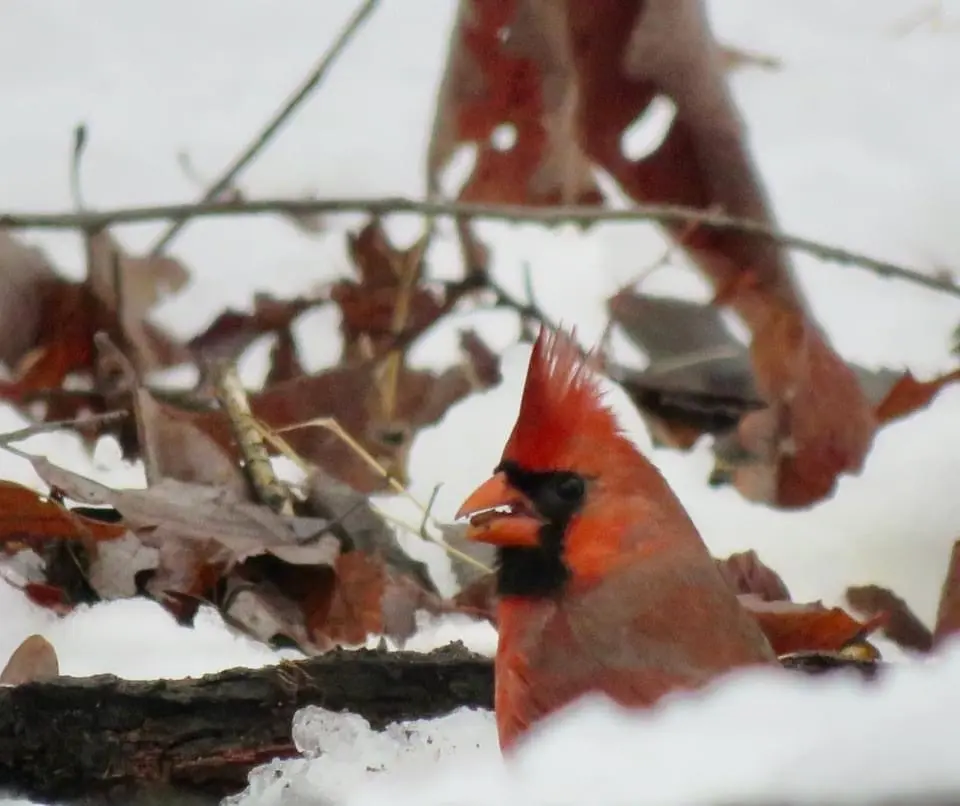
- Offer high-energy foods such as black oil sunflower seed and suet.
- Evergreens and brush piles give shelter from wind.
-
Heat and drought
- Set shallow water out in the shade and refill it daily.
- Water plants early in the day, when less is lost to the heat.
-
Storms
- Check nest boxes afterwards and fix any damage.
- Turn fallen branches that are safe to move into a brush pile.
-
Snow
- Clear a patch of ground and scatter some seed for ground-feeding birds such as juncos and sparrows.
- Brush snow off feeders and feeding trays.
Found a baby animal that looks alone? Parents often leave their young for long stretches while they find food. Leave it where it is and watch from a distance. If it is hurt or still alone after several hours, contact a licensed wildlife rehabilitator or your state wildlife agency for advice.
Good neighbors
Living with wildlife
A wildlife garden works best when animals stay wild. These habits keep both your family and your visitors safe.
- Don’t feed raccoons, deer or other mammals on purpose. It can make them lose their fear of people.
- Secure trash cans and bring pet food indoors.
- Keep cats indoors. It protects birds and keeps cats safer too.
- Check shrubs, hedges and long grass for nests before you trim or mow in spring.
-
Raccoons
Keep snacks out of reach
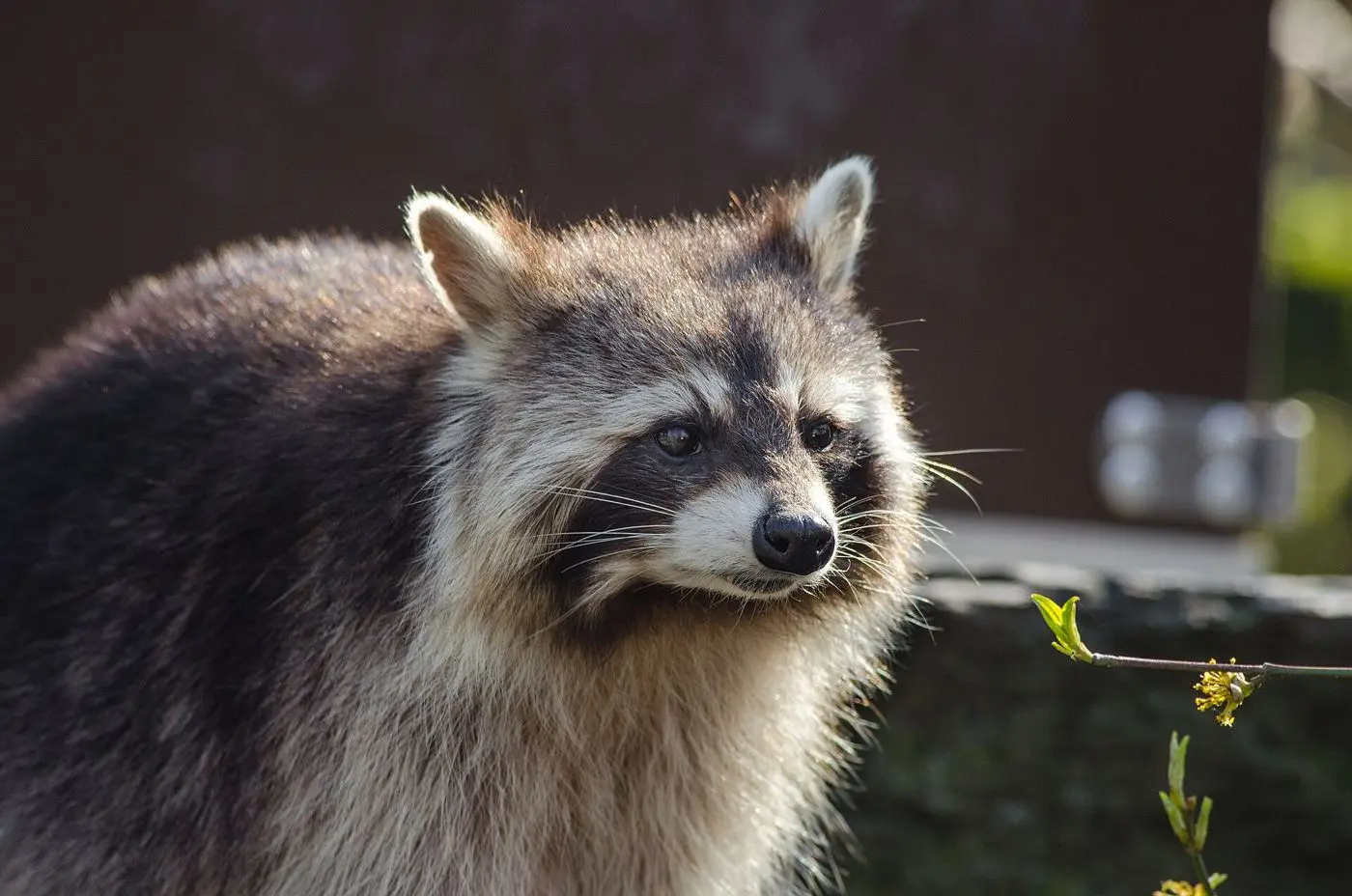
Raccoons are clever and curious. Lids that lock, pet food kept indoors and clean grills give them little reason to stay.
-
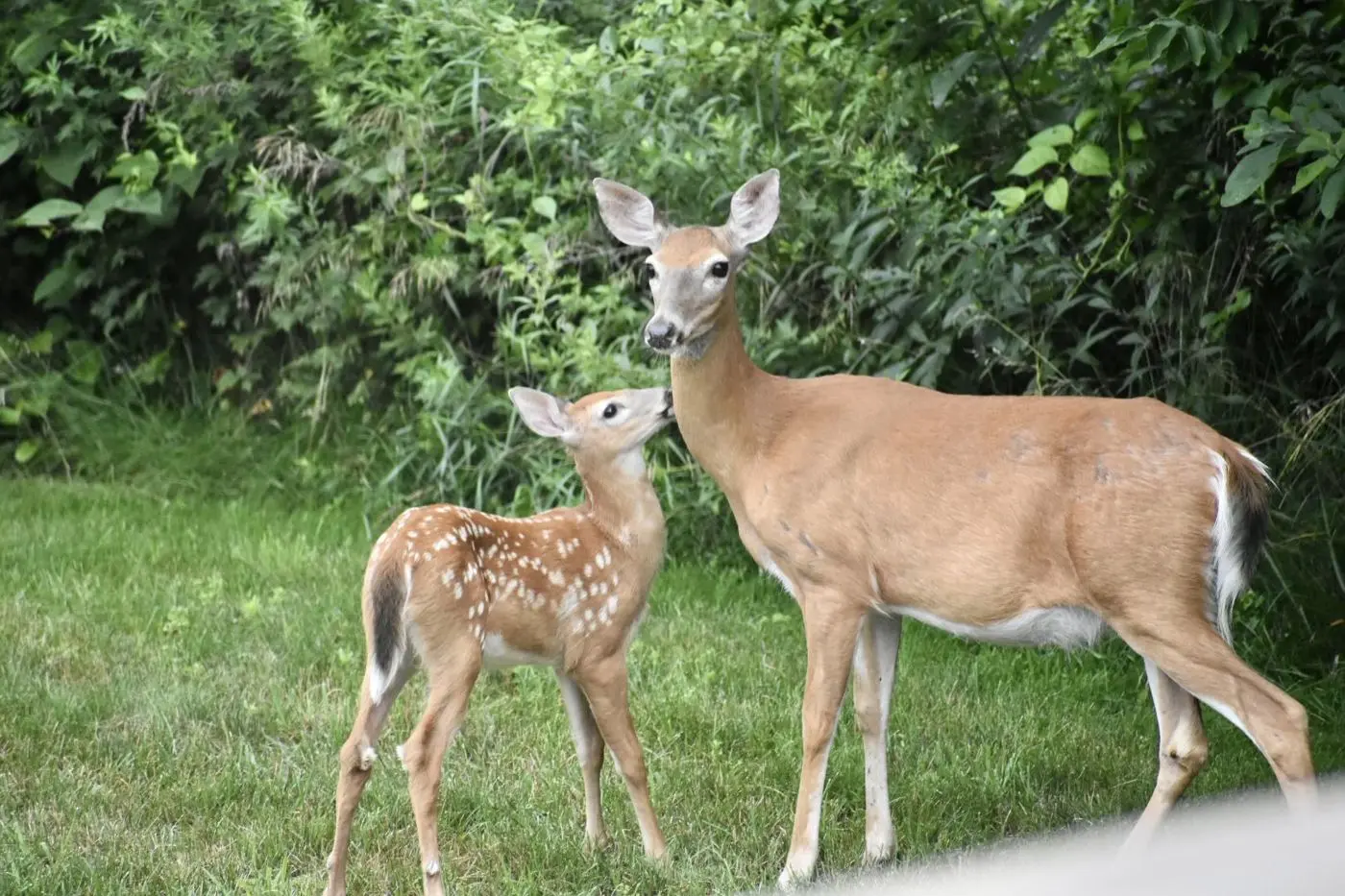
Deer
Choose plants less often browsed
No plant is deer-proof, and hungry deer will eat almost anything. Plants with strong scents or fuzzy, tough leaves, such as bee balm, mountain mint and ferns, tend to be browsed less often.
Gear guide
What to look for when you shop
A wildlife garden needs very little gear. These are the features that matter, whatever brand you choose.
-
Birdbaths and water dishes
- A shallow basin with gently sloping sides.
- A rough or textured surface that gives birds good footing.
- Easy to tip out and scrub. A heated model helps in cold winters.
-
Hand pruners and a leaf rake
- Bypass pruners with sharp blades make clean cuts that heal well.
- A comfortable grip that fits your hand.
- A wide, light rake for moving leaves into beds.
-
Feeder-cleaning brushes
- A long bottle brush for tube feeders.
- A small detail brush for feeding ports and corners.
- Keep them for feeders only, away from kitchen dishes.
Questions
Wildlife gardening questions
Will a wildlife garden attract pests or rodents?
Rodents usually come for easy food, such as spilled seed, open trash and pet food left outside. Rake up under feeders, secure trash and keep brush piles away from your house. A healthy garden also draws birds, toads and other animals that eat insects.
Do I need a big yard?
No. A balcony with a few native plants in pots and a water dish can help pollinators. Small spaces add up, especially when neighbors plant too.
Should I leave the leaves?
Where you can, yes. Many moths, butterflies and other insects spend the winter in fallen leaves. Rake leaves off paths and lawn into your planting beds, where they also protect the soil.
How do I keep a natural garden looking tidy?
Give it clear edges. Mow a neat strip along beds and paths, add a low fence or border, and plant in groups instead of single plants. A small sign about wildlife habitat can also help neighbors see the garden is on purpose.
What should I do if I find a baby bird?
If it has feathers and is hopping around, it’s probably a fledgling learning to fly, and its parents are nearby. Leave it alone and keep pets indoors. If it has few feathers and you can see the nest, you can gently put it back. If it’s hurt or you’re unsure, contact a licensed wildlife rehabilitator or your state wildlife agency.