Native Plants
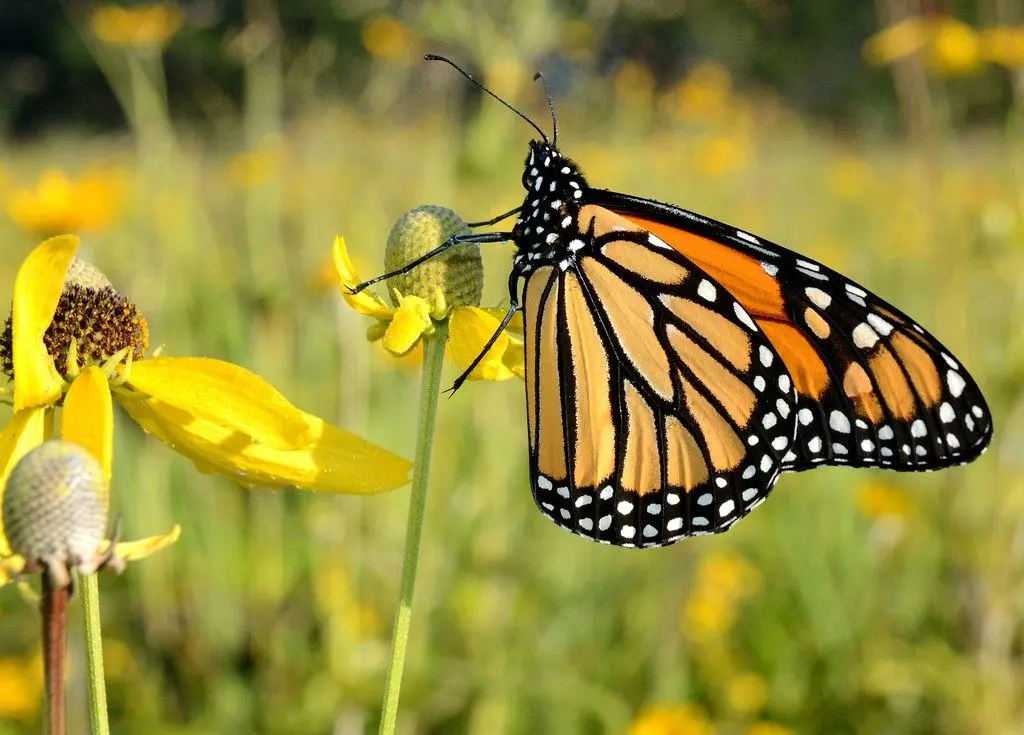
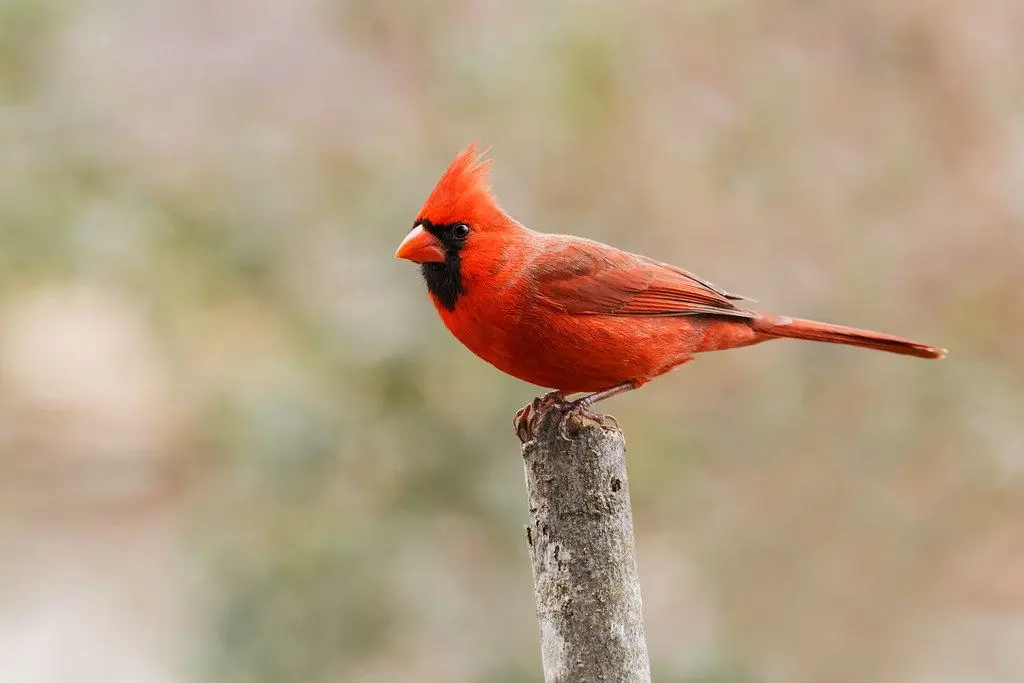
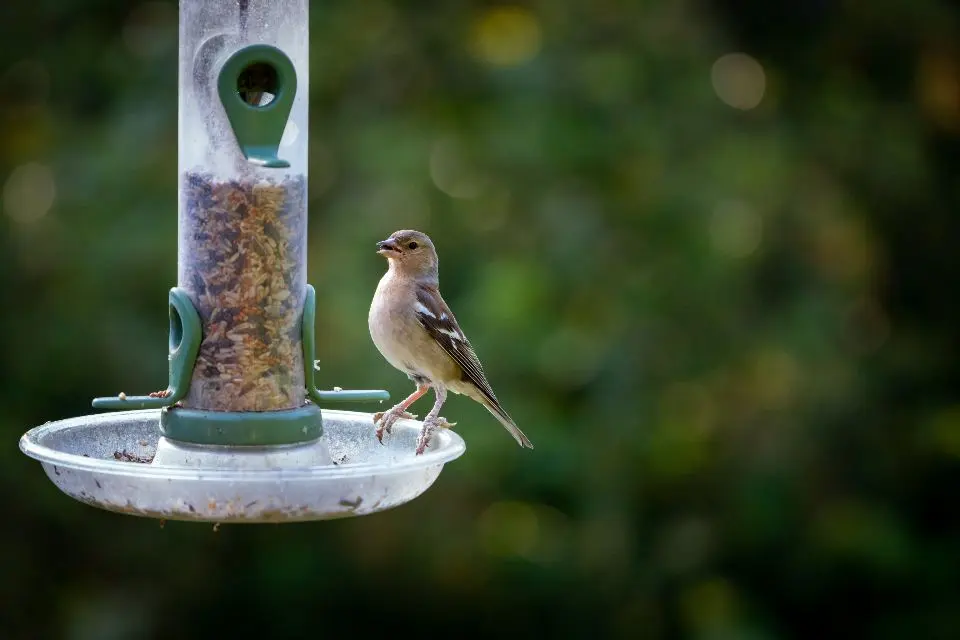
Native plants grew in your area long before gardens did, and local birds, bees and butterflies depend on them. Find easy native trees, shrubs, flowers and grasses for your part of the country, plus simple swaps for common invasive plants.
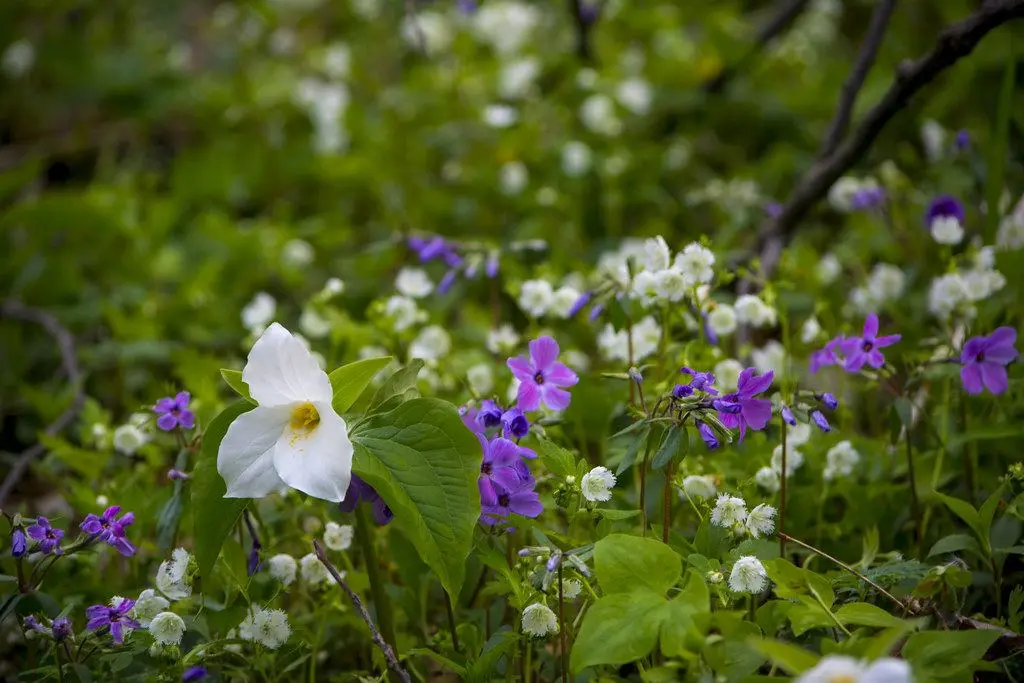
Plants for every US region
On this page
-
What the labels mean and why it matters
-
Trees, shrubs, flowers and grasses near you
-
Easy natives for sun, shade and dry soil
-
Simple checks before you plant
The basics
What makes a plant native?
A native plant is one that grew naturally in a region before European settlement. Local wildlife grew up alongside it, so the two depend on each other.
Why natives help wildlife
- Many caterpillars can only eat the leaves of certain native plants.
- Those caterpillars are the main food most songbirds feed their chicks.
- Native flowers, seeds and berries arrive when local wildlife needs them.
- They suit your climate and soil, so they usually need less watering once settled in.
-
Native
Grew here naturally
Part of the local landscape before European settlement. Feeds and shelters the insects, birds and other animals that live in your area.
-
Non-native
Brought from elsewhere
Came from another region or continent. Many are well-behaved garden plants, but local insects often can’t use them for food.
-
Invasive
Non-native and spreading
A non-native plant that spreads on its own into woods, fields and wetlands, crowding out the native plants wildlife needs.
Plants by region
Native plants for your part of the country
A good wildlife garden has layers: trees, shrubs, flowers and grasses. Pick your region to see two starting points for each layer, what they need and who they help.
Northeast
Southeast
Midwest
Southwest
West
-
Trees
-
White oak
Full sunWell-drained soil
Hosts many moth and butterfly caterpillars. Acorns feed jays, woodpeckers, squirrels and deer.
-
Serviceberry
Sun to part shadeMoist, well-drained
Early spring flowers for bees, then summer berries for robins and cedar waxwings.
-
-
Shrubs
-
Highbush blueberry
Sun to part shadeMoist, acidic soil
Spring flowers for bumble bees and summer berries for many birds.
-
Winterberry
Sun to part shadeMoist to wet soil
Bright red berries feed birds into winter. Plant a male shrub nearby so the females fruit.
-
-
Perennials
-
Joe-Pye weed
Sun to part shadeMoist soil
Tall pink flower clusters in late summer, busy with swallowtails and bees.
-
Foxglove beardtongue
Sun to part shadeAverage to dry soil
White tubular flowers in late spring for bumble bees and hummingbirds.
-
-
Grasses & groundcovers
-
Pennsylvania sedge
Part to full shadeDry to average soil
A soft, low groundcover for dry shade under trees, with shelter for insects in the leaf litter.
-
Switchgrass
Full sunDry to wet soil
Seeds for sparrows and juncos in winter, and dense cover for ground birds.
-
-
Trees
-
Live oak
Full sunMost soils
Hosts many caterpillars, and its acorns feed birds, squirrels and deer.
-
Flowering dogwood
Part shadeMoist, well-drained
Red fall fruit for bluebirds, robins and thrushes.
-
-
Shrubs
-
American beautyberry
Sun to part shadeAverage soil
Clusters of purple berries in fall for mockingbirds, catbirds and other birds.
-
Oakleaf hydrangea
Part shadeMoist, well-drained
Summer flowers visited by bees, and leafy cover for birds.
-
-
Perennials & vines
-
Coral honeysuckle
Sun to part shadeAverage soil
A native vine with red tubular flowers for hummingbirds, and berries for birds.
-
Swamp sunflower
Full sunMoist soil
Masses of yellow fall flowers for bees and butterflies, then seeds for birds.
-
-
Grasses
-
Muhly grass
Full sunWell-drained soil
Clouds of pink plumes in fall, and dense clumps that give cover to small wildlife.
-
Purple lovegrass
Full sunDry, sandy soil
An airy purple haze in late summer, with tiny seeds for small birds.
-
-
Trees
-
Bur oak
Full sunMost soils, including clay
Hosts many caterpillars that songbirds feed their chicks. Large acorns feed wildlife.
-
Hackberry
Sun to part shadeMost soils
Host plant for the hackberry emperor butterfly, with small fruits birds eat into winter.
-
-
Shrubs
-
American hazelnut
Sun to part shadeWell-drained soil
Nuts for jays and squirrels, and thick branches for nesting birds.
-
Gray dogwood
Sun to shadeMost soils
White berries on red stems in late summer, eaten by many birds.
-
-
Perennials
-
Prairie blazing star
Full sunAverage to moist soil
Purple flower spikes for butterflies and bees, then seeds for goldfinches.
-
Common milkweed
Full sunAverage to dry soil
Host plant for monarch caterpillars. It spreads by roots, so give it room.
-
-
Grasses
-
Prairie dropseed
Full sunDry to average soil
Fine, fountain-like clumps with seeds for sparrows and juncos.
-
Big bluestem
Full sunAverage to dry soil
A tall prairie grass that hosts some skipper caterpillars and shelters birds.
-
-
Trees
-
Desert willow
Full sunDry, well-drained
Orchid-like flowers on a small tree, visited by hummingbirds and bees.
-
Blue palo verde
Full sunDry, well-drained
Bright yellow spring flowers for native bees, and seeds for birds.
-
-
Shrubs
-
Chuparosa
Full sunDry soil
Red tubular flowers that feed hummingbirds in the cooler months.
-
Apache plume
Full sunDry, well-drained
White flowers for bees and feathery pink seed heads. Its thick branches shelter quail.
-
-
Perennials
-
Desert marigold
Full sunDry soil
Yellow daisies that bloom for months, feeding bees and butterflies.
-
Parry’s penstemon
Full sunDry, well-drained
Pink spring flowers for hummingbirds and native bees.
-
-
Grasses
-
Blue grama
Full sunDry soil
A short grass with eyelash-shaped seed heads that birds pick at.
-
Deer grass
Sun to part shadeDry to moist soil
Big, tidy clumps that shelter small animals, with seeds for birds.
-
-
Trees
-
Oregon white oak
Full sunWell-drained soil
Hosts many caterpillars. Acorns feed jays, woodpeckers and deer.
-
Pacific madrone
Sun to part shadeDry, well-drained
Spring flowers for bees and red berries for birds. Avoid summer watering.
-
-
Shrubs
-
Ceanothus
Full sunWell-drained soil
Clouds of blue spring flowers buzzing with native bees.
-
Red-flowering currant
Sun to part shadeWell-drained soil
Early pink flowers for returning hummingbirds, then berries for birds.
-
-
Perennials
-
California fuchsia
Full sunDry, well-drained
Red-orange flowers late in the season, when hummingbirds need them.
-
Showy milkweed
Full sunDry to moist soil
Pink star-shaped flowers, and leaves for western monarch caterpillars.
-
-
Grasses
-
Blue wildrye
Sun to part shadeAverage soil
Blue-green clumps that give cover to small animals, with seeds for birds.
-
Idaho fescue
Full sunDry soil
A tough bunchgrass that shelters ground-nesting birds.
-
Regions are big, and what grows well changes with climate, elevation and soil. Check with your state native plant society or Cooperative Extension office to confirm a plant is native to your area.
Beginner-friendly natives
Easy plants to start with
These forgiving plants are native to large parts of the US, especially the East and Midwest. Check each one’s native range against your state before you buy.
-
Full sun
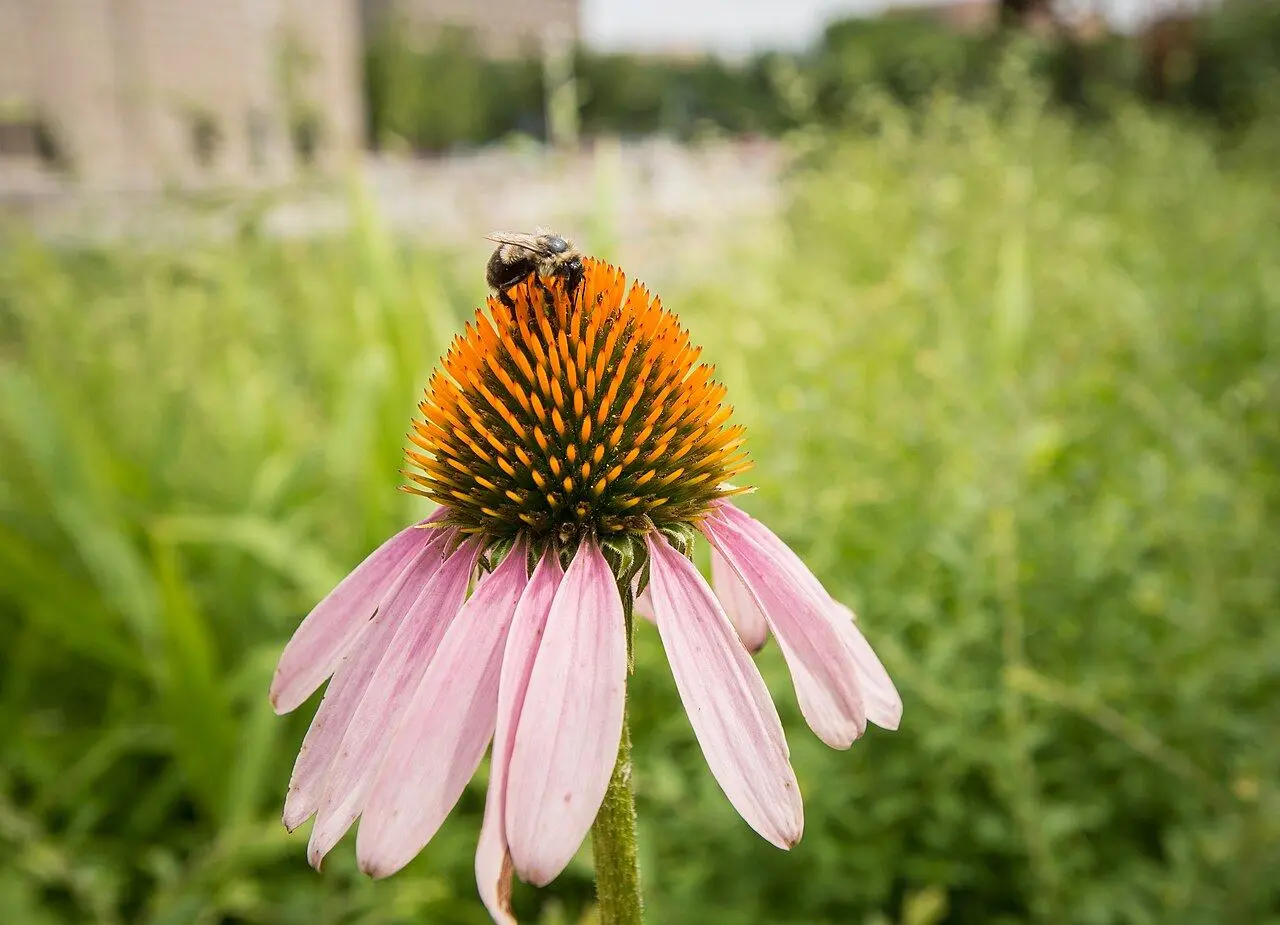
Purple coneflower
Tough, long-blooming and loved by pollinators. Leave the seed heads standing in fall for goldfinches.
-
Height
-
2 to 4 feet
-
Light
-
Full sun to light shade
-
Water
-
Low once settled in
-
Visitors
-
Bees, butterflies and goldfinches
-
-
Full sun
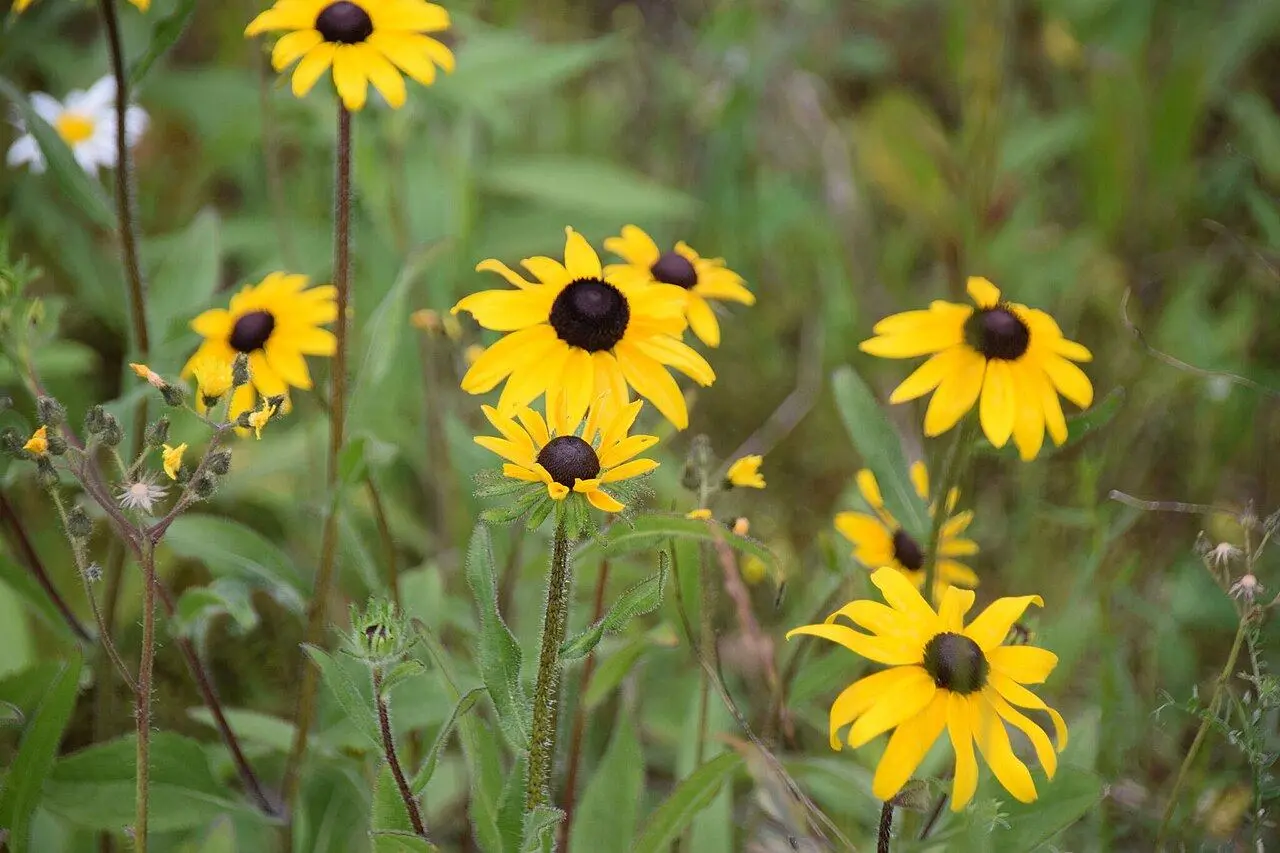
Black-eyed Susan
Cheerful yellow daisies that grow fast and reseed on their own.
-
Height
-
1 to 3 feet
-
Light
-
Full sun
-
Water
-
Low to average
-
Visitors
-
Bees, butterflies and seed-eating birds
-
-
Full sun
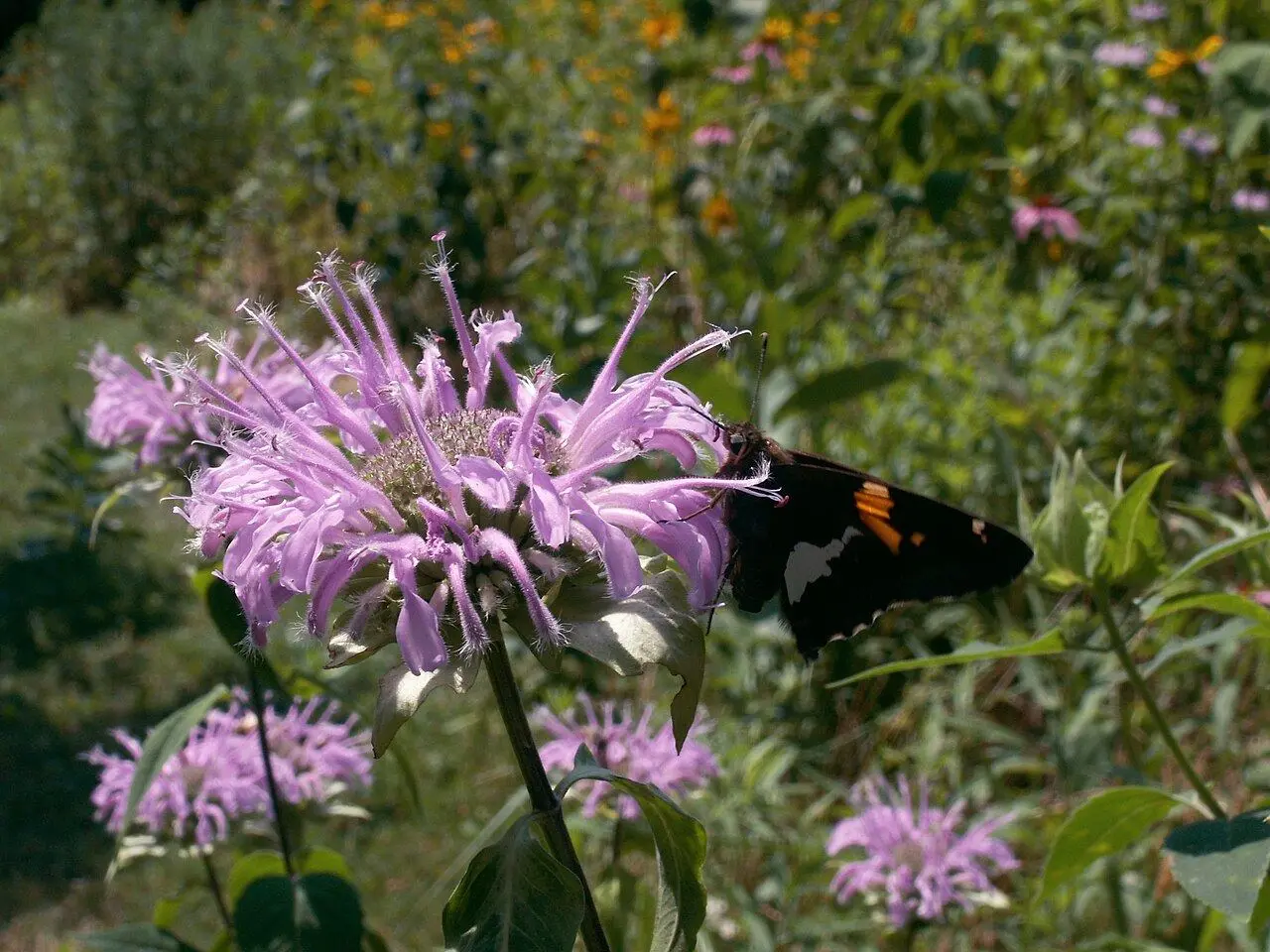
Wild bergamot
Shaggy lavender flowers with a minty scent. Spreads gently to fill a sunny patch.
-
Height
-
2 to 4 feet
-
Light
-
Full sun to part shade
-
Water
-
Low to average
-
Visitors
-
Bees, butterflies and hummingbird moths
-
-
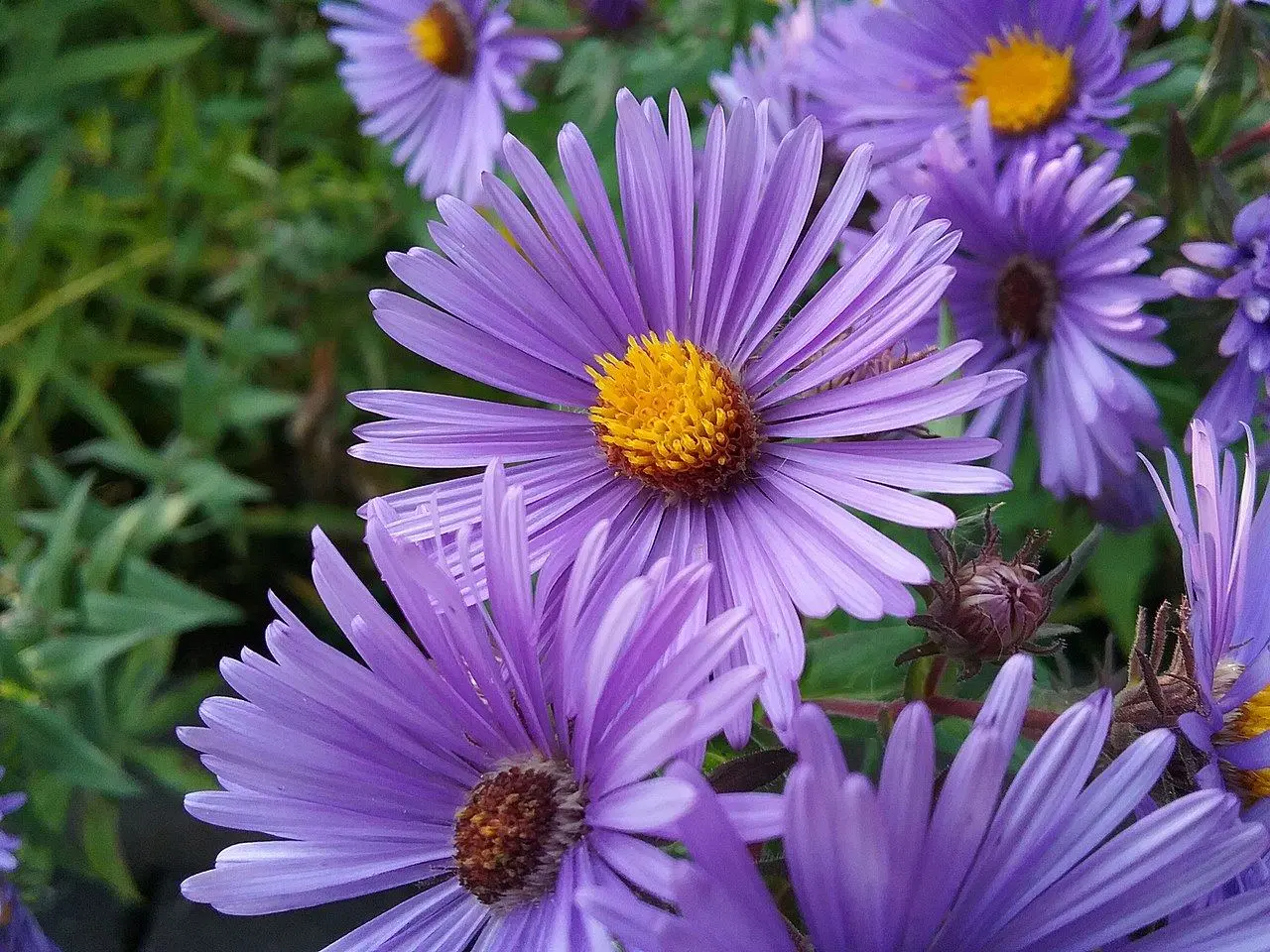
Full sun
New England aster
Purple daisies that bloom late, when pollinators need food before winter.
-
Height
-
3 to 6 feet
-
Light
-
Full sun
-
Water
-
Average to moist
-
Visitors
-
Bees, butterflies and migrating monarchs
-
-
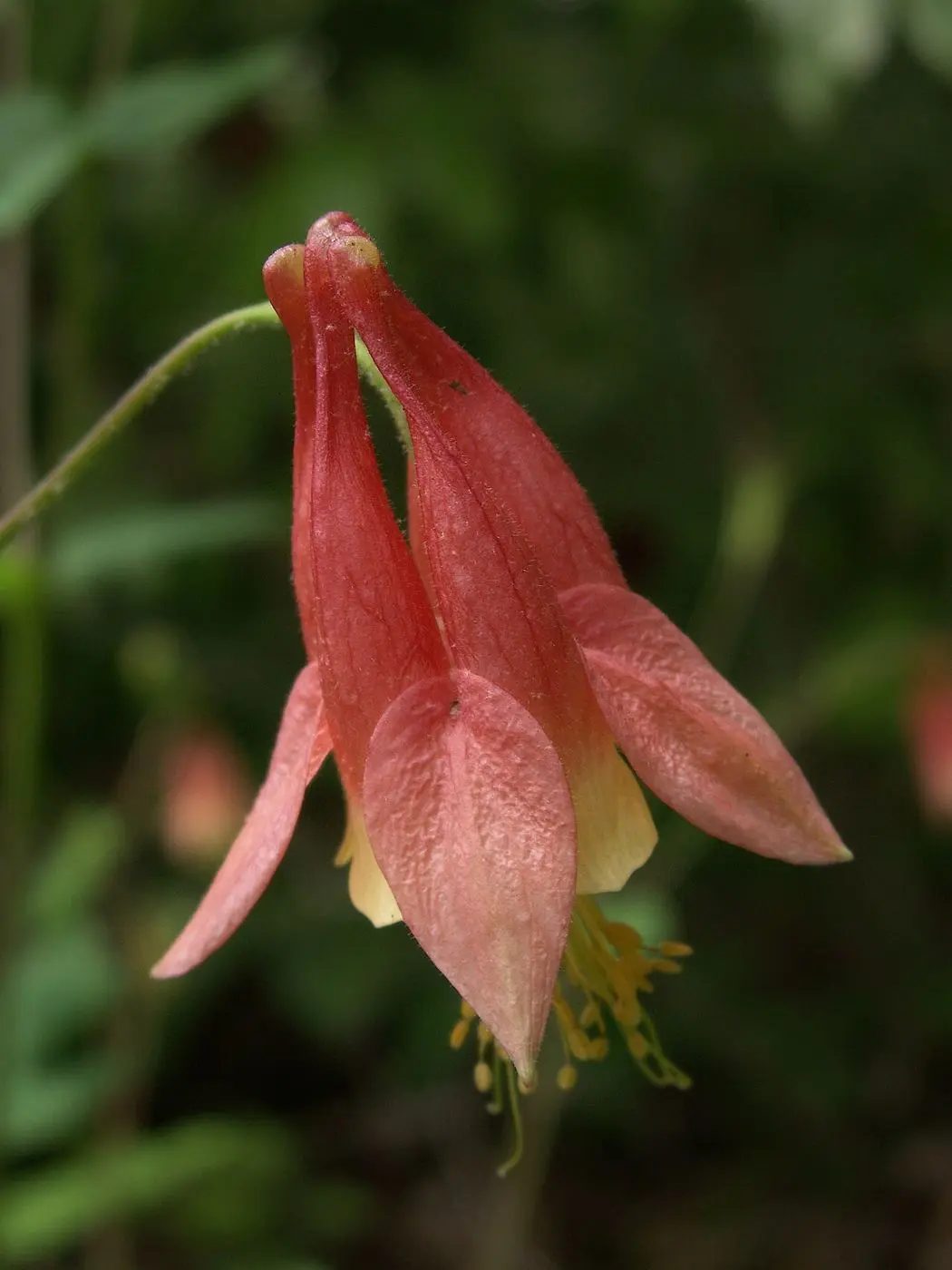
Part shade
Wild columbine
Delicate red and yellow flowers in spring, often ready when the first hummingbirds arrive.
-
Height
-
1 to 3 feet
-
Light
-
Part shade
-
Water
-
Average, well-drained
-
Visitors
-
Hummingbirds and bumble bees
-
-
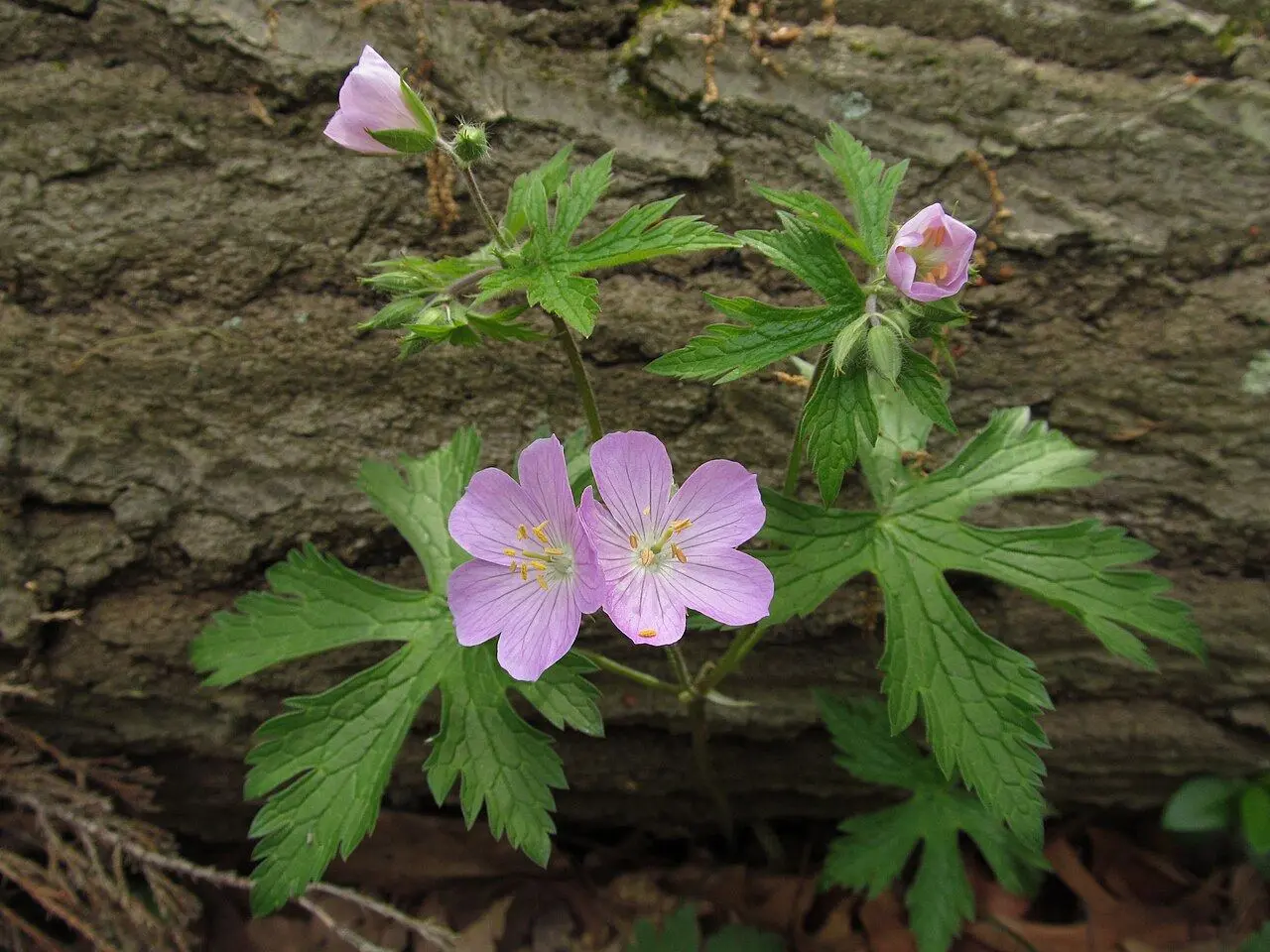
Part shade
Wild geranium
Soft pink-purple flowers in spring for the edge of a woodland or a spot under trees. Easy to grow and slow to spread.
-
Height
-
1 to 2 feet
-
Light
-
Part shade
-
Water
-
Average to moist
-
Visitors
-
Native bees and other spring pollinators
-
-
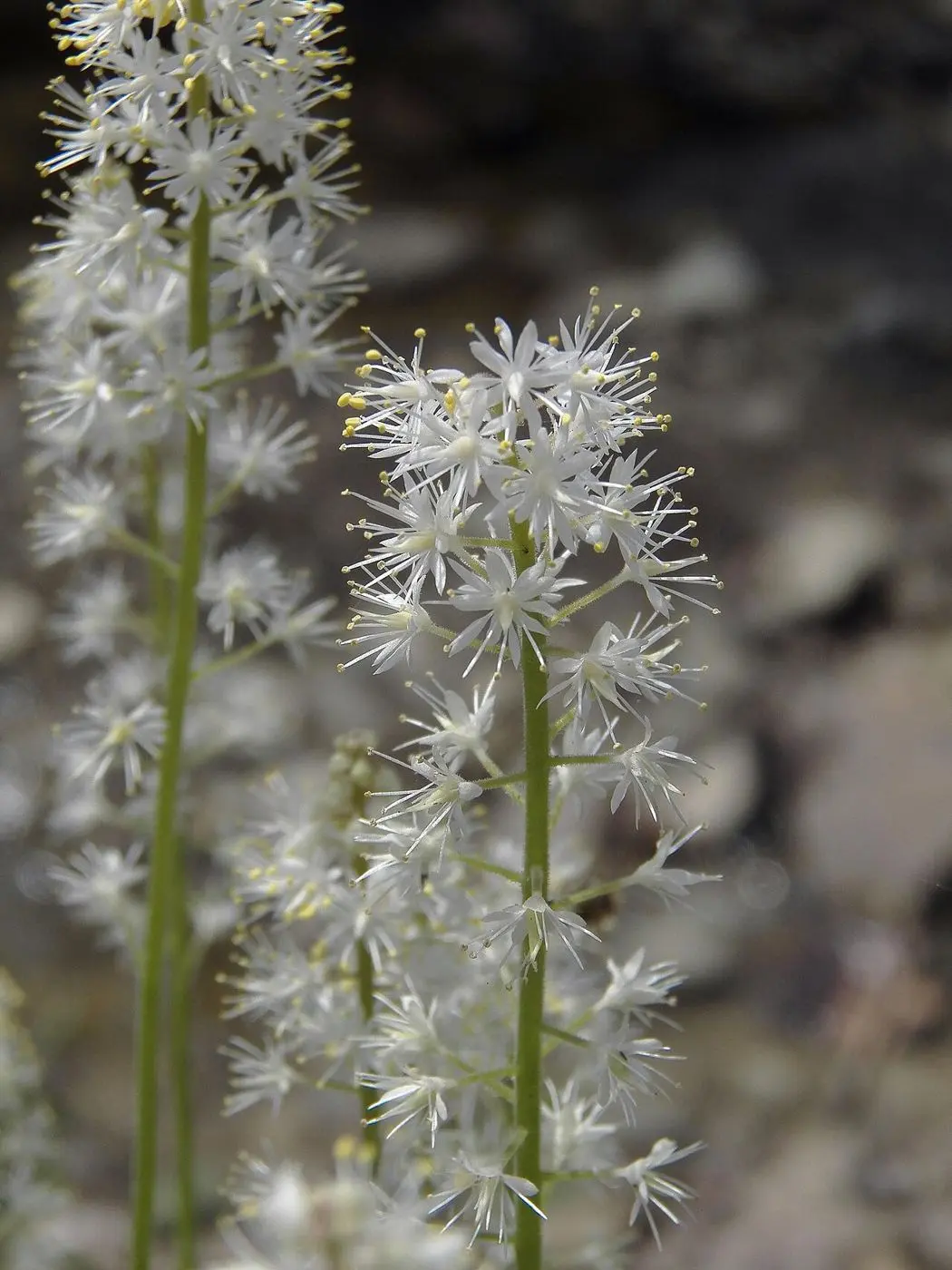
Part shade
Foamflower
A low groundcover with frothy white flower spikes in spring. Good for shady beds.
-
Height
-
6 to 12 inches
-
Light
-
Part to full shade
-
Water
-
Moist
-
Visitors
-
Small bees and flies
-
-
Dry soil
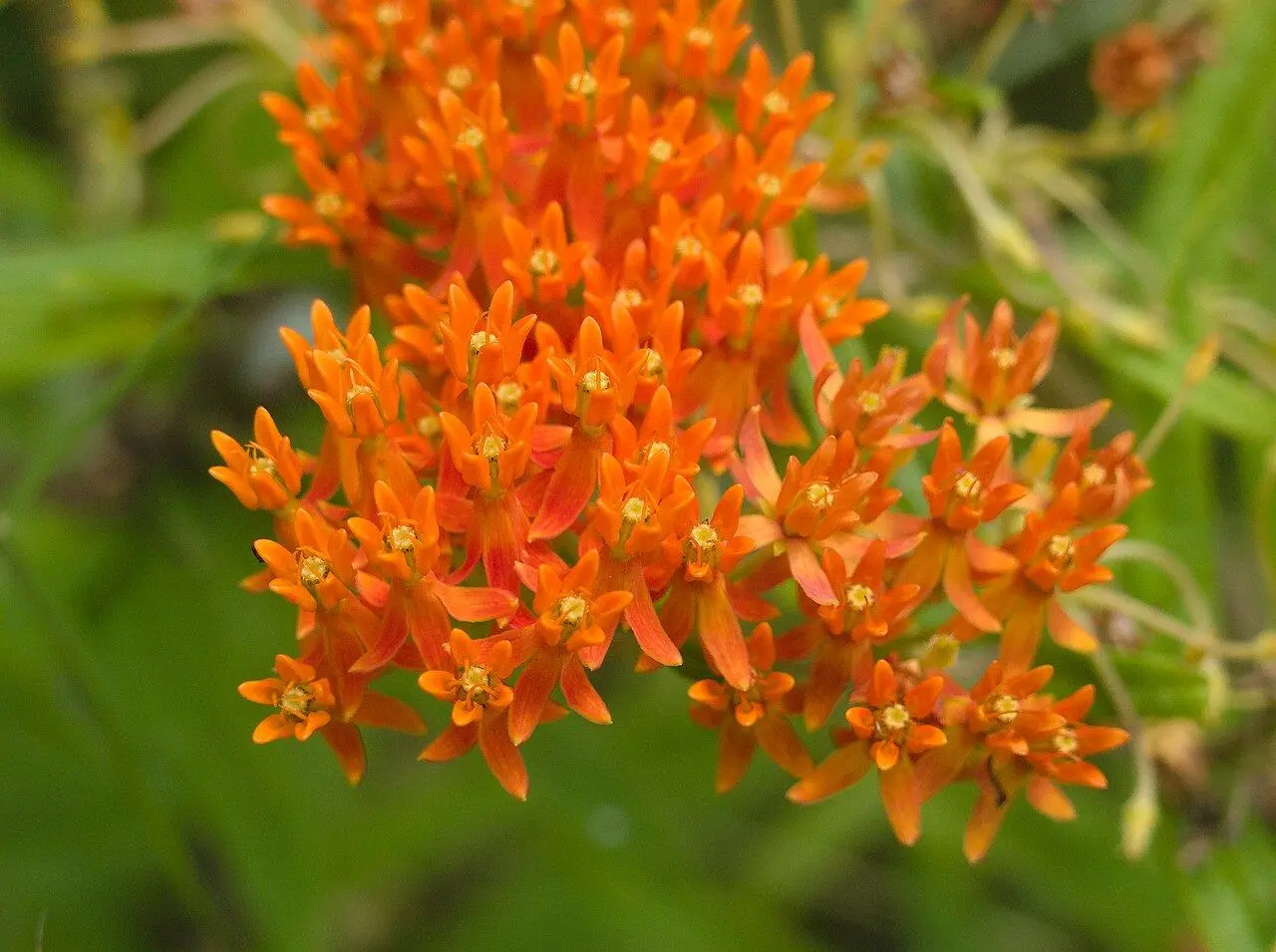
Butterfly weed
Bright orange flowers on a sturdy milkweed that handles heat and poor soil.
-
Height
-
1 to 2½ feet
-
Light
-
Full sun
-
Water
-
Low
-
Visitors
-
Butterflies, bees and monarch caterpillars
-
-
Dry soil
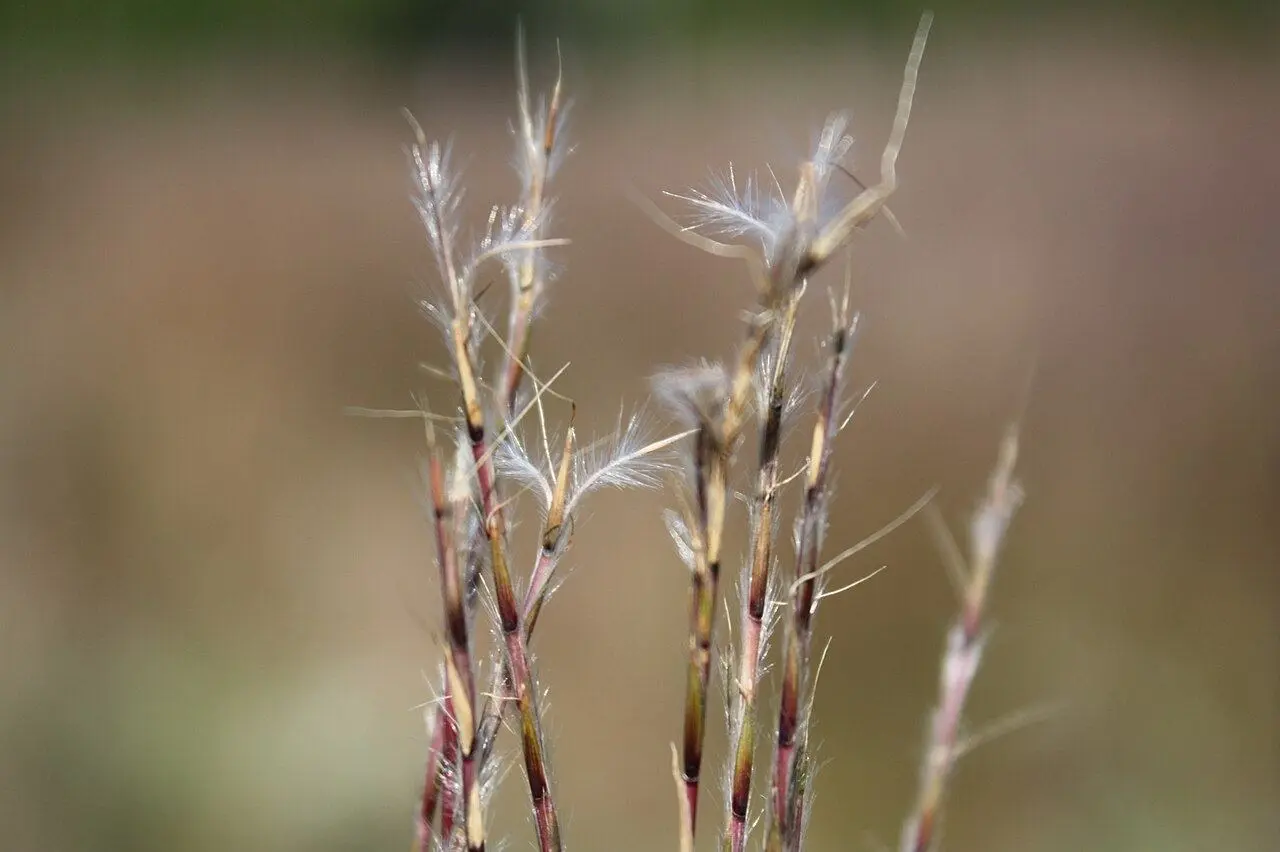
Little bluestem
A clumping grass that turns copper in fall and stands up through winter.
-
Height
-
2 to 4 feet
-
Light
-
Full sun
-
Water
-
Low
-
Visitors
-
Skipper caterpillars and seed-eating birds
-
-
Dry soil
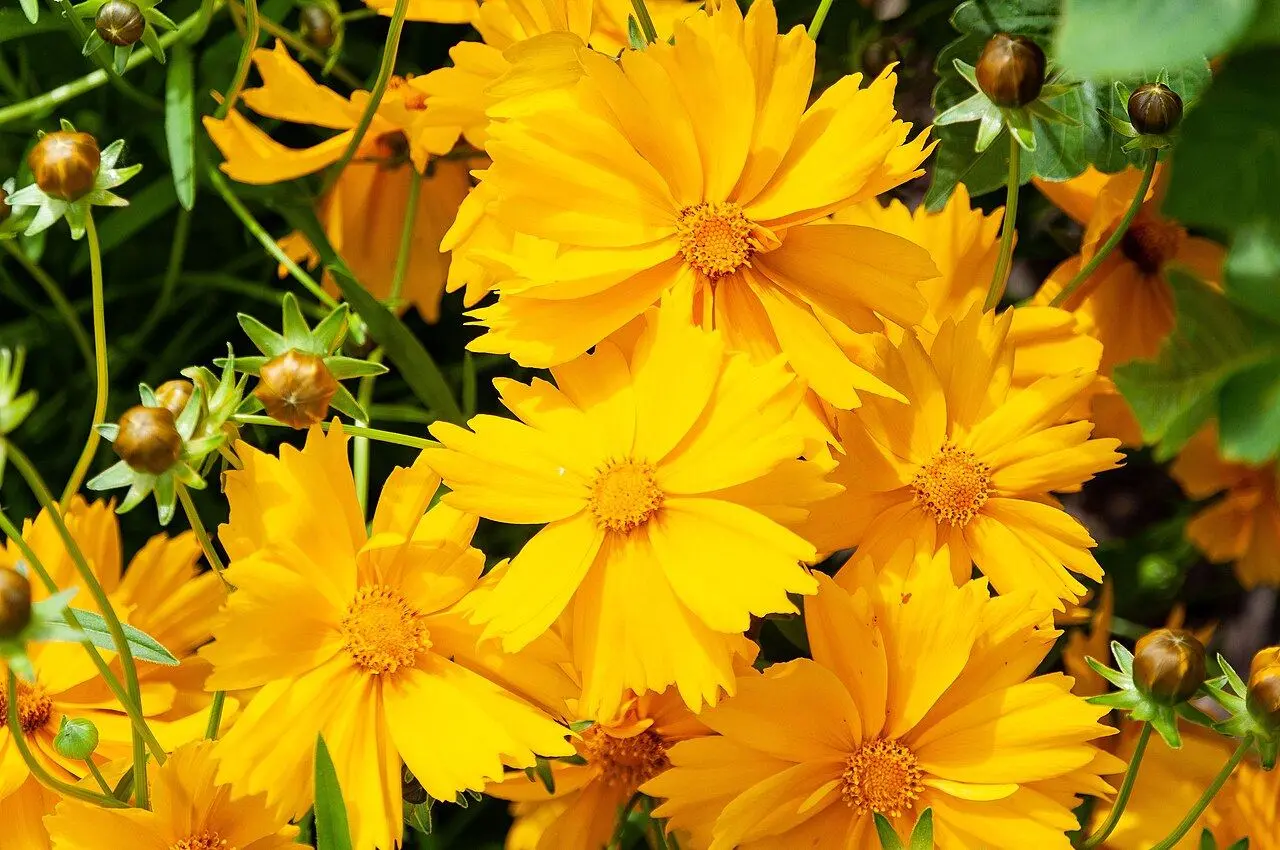
Lanceleaf coreopsis
Golden flowers from late spring into summer. Happy in sandy or rocky soil.
-
Height
-
1 to 2 feet
-
Light
-
Full sun
-
Water
-
Low to average
-
Visitors
-
Bees, butterflies and seed-eating birds
-
Native swaps
Swap these invasive plants for natives
These popular plants are still sold in some places, but they spread into natural areas. Here are native plants that fill the same role in your yard.
-
Replace
English ivy
An evergreen vine that climbs and smothers trees and carpets the forest floor.
-
Try
Pennsylvania sedge
A soft, grassy groundcover for dry shade under trees.
-
Try
Wild ginger
A low groundcover with heart-shaped leaves for moist shade.
-
-
Replace
Japanese barberry
A thorny shrub that spreads into woods, where deer skip it and eat the native plants instead.
-
Try
Winterberry
A native holly with red berries that feed birds into winter.
-
Try
Ninebark
A tough shrub with white spring flowers and peeling bark.
-
-
Replace
Callery (Bradford) pear
A flowering tree whose seedlings now form dense thickets along roads and fields.
-
Try
Serviceberry
White spring flowers, then summer berries for birds.
-
Try
Eastern redbud
A small tree covered in pink-purple flowers in early spring.
-
Invasive plant lists vary by state, and these swaps suit eastern and central yards best. Check your state’s invasive species council or Cooperative Extension office for the plants to avoid where you live.
Pet & wildlife safety
Plant with pets and wildlife in mind
Native doesn’t always mean harmless to pets, and no plant list can promise a plant is safe for every animal. A few simple checks go a long way.
-
Look plants up before you buy
The ASPCA keeps lists of plants that are toxic and non-toxic to dogs, cats and horses. Check each new plant against them.
-
Know which plants need care
Some native plants, including milkweeds, are toxic to pets if eaten. Plant them where pets don’t play or dig.
-
Watch the chewers
Puppies and pets that like to chew plants need extra supervision in the garden.
-
Skip pesticides
Pesticides can harm bees, caterpillars and the birds that eat them, and they aren’t good for pets either.
-
Ask how plants were grown
Ask the nursery whether plants were treated with systemic insecticides such as neonicotinoids, which can harm pollinators.
-
If your pet eats a plant
Call your veterinarian or an animal poison control hotline right away, and have the plant’s name ready.
Fall and winter
Leave the seed heads
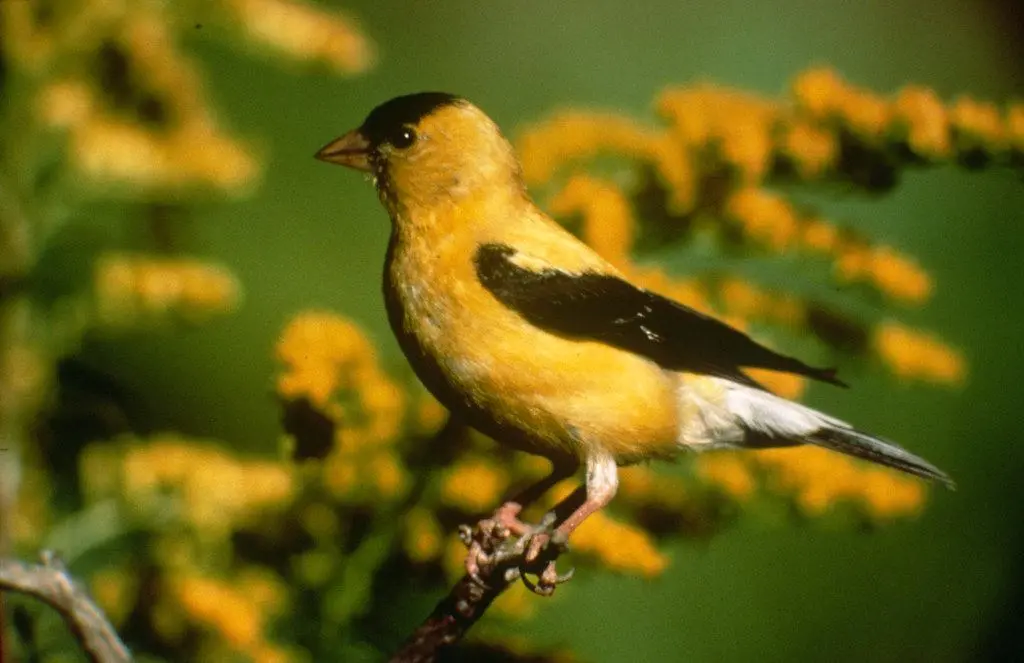
It’s tempting to cut everything back in fall. Leaving flower heads standing turns your garden into a winter buffet. American goldfinches pick seeds from coneflowers and sunflowers, and sparrows and juncos search the stems below.
Fall plants to leave standing
Wait until spring to tidy up. Hollow stems also give native bees a place to shelter.
Gear guide
What to look for when you shop
You don’t need much to start a native garden. These are the features that matter, whatever brand you choose.
-
Native seed mixes
- Lists every species on the label, ideally by scientific name.
- Contains species native to your region. Compare the list with your state’s native plants.
- Has no non-native “filler” flowers or grasses.
-
Basic hand tools
- A sturdy trowel or soil knife for planting small plants and plugs.
- Gloves that fit well and protect against thorns.
- A watering can or hose wand with a gentle shower setting for new plants.
-
Mulch
- Shredded leaves are free, feed the soil and shelter insects.
- If you buy bagged mulch, choose natural, undyed wood.
- Keep it thin, away from plant stems, and leave some bare soil for ground-nesting bees.
Questions
Native plant questions
Where can I buy native plants?
Look for nurseries that specialize in native plants, and for plant sales run by your state native plant society or local conservation district. Labels with the scientific name help you confirm you’re getting the right plant.
Do native plants need fertilizer?
Usually very little or none. Most natives are suited to local soils, and too much fertilizer can make them grow tall and floppy. If you’re unsure about your soil, your Cooperative Extension office can help with a soil test.
When is the best time to plant?
In many regions fall is a good time, because cooler weather and rain help roots settle in. Spring works too. In hot desert areas, plant during the cooler months and avoid summer heat. Whenever you plant, water regularly through the first season.
What is a “nativar”?
A nativar is a variety of a native plant bred for a new color, size or flower shape. Some still feed wildlife well, while others, such as those with double flowers or changed leaf color, may offer less. When you can, choose the straight species.
Can I mix natives into my existing garden?
Yes. You don’t need to start over. Add a few natives to your current beds, replace invasive plants one at a time, or turn a small patch of lawn into a native bed. Planting in clumps helps pollinators find them.